
The Synapse Neurobiology Training Program, training the next generation of neuroscientists
Research into synaptic functions is key to understanding many neurological diseases including Alzheimer’s, Parkinson’s, ALS, autism-spectrum disorders, depression, anxiety, epilepsy and insomnias. Synapses are specialised contact sites between single nerve cells and their target cells that function in rapid information processing. They form the basis of our central nervous system’s functions.
Mechanisms that alter synaptic activity affect our behaviours, learning and memory formation. Many disorders of the nervous system involve fundamental alterations in synaptic function, and hundreds of mutations in synaptic proteins have been implicated in human diseases such as epilepsy, autism and cognitive impairments. Additionally, synaptic receptors and channels represent over half of the pharmaceutical industry’s drug development targets, making research both medically and industrially impactful.
The future of synaptic neurobiology research
Future approaches to treating these brain disorders will involve further in-depth investigation of the mechanisms that govern synaptic function, and will also require a community of well-trained synaptic physiologists equipped to carry out research in a complex field. To improve the research skills of their predoctoral students, the Neuroscience faculty at Tufts Sackler School of Graduate Biomedical Sciences in Boston developed the Synapse Neurobiology Training Program (SNTP), with the objective that students graduate with the multi-faceted research skills necessary to address some of the critical neurological problems that have direct consequence to human health.
Founded by Professor Kathleen Dunlap, SNTP is now in its nineth year of training students. The program is now under the directorship of Professor Michele Jacob, an expert in synapse neurobiology. Her research has focused on defining molecular mechanisms that direct the proper maturation and function of neuronal and sensory cell synapses, and the role that their dysfunction plays in intellectual disabilities, autism, childhood epilepsy, and hearing loss.
The SNTP is run in the Department of Neuroscience, which is Chaired by Professor Philip Haydon, a world class expert in the key role of non-neuronal glial cells, the major cell type in the brain, in modulating synaptic function.
Students graduate with the multi-faceted research skills necessary to address some of the critical neurological problems that have direct consequence to human health
The program
Drawing on the expertise of 20 neuroscience faculty researchers from the Tufts Sackler School of Graduate Biomedical Sciences, located on the Health Sciences campus of Tufts University in Boston, and working in conjunction with Tufts Medical Center, mentors guide each student through a thesis study of synaptic functions in both the healthy and diseased states. Since its inception in 2009 the program has been funded annually by the National Institute of Neurological Diseases and Strokes (NINDS), part of the National Institute of Health (NIH). Each student is co-mentored by two SNTP faculty members that provide training in distinct yet complementary areas, equipping the student with multidisciplinary research skills.
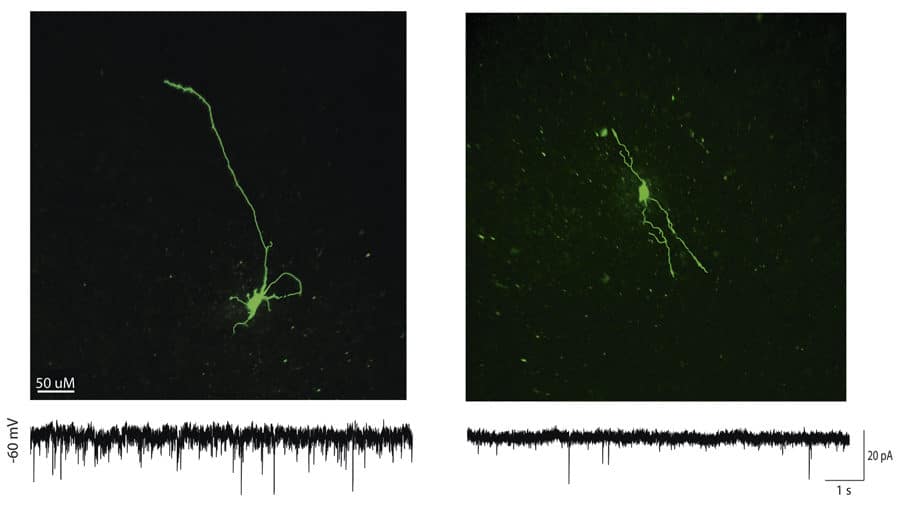
Students are also given one-on-one training in areas such as imaging, bioinformatics, electrophysiology and animal behaviour methods, provided via state-of-the-art core facilities and PhD-level managers in the NINDS-funded Center for Neuroscience Research at Tufts. SNTP training emphasises critical thinking and multidisciplinary approaches for effective and influential research. Student research areas Working with SNTP mentor Dr Leon Reijmers, Patrick Davis, PhD conducted a study looking at the neuronal mechanisms that control the balance between the opposing systems that regulate the brain’s expression and suppression of fear. Dysfunction of these synaptic mechanisms can lead to ‘inappropriate’ fear responses and have been linked to anxiety disorders, Post-Traumatic Stress Disorder (PTSD) and specific phobias. This work has led to a publication in the high impact Nature Neuroscience journal. Jonathan Alexander, PhD completed his project under the mentorship of SNTP director Dr Michele Jacob. The research involved identifying novel molecular changes that lead to autistic behaviours, learning disabilities and chronic seizures, and resulted in publications in Nature’s Molecular Psychiatry, a chapter in Springer’s Encyclopaedia of Signalling Molecules 2nd Edition, and Elsevier’s Neurobiology of Disease Journal. Elizabeth Hanson, PhD worked on a study of glial cell modulation of excitatory synaptic activity in the normal developing cortex, compared to a cortex associated with epilepsy caused by a traumatic brain injury. Guided by Dr Chris Dulla, Hanson’s work has been published in Wiley’s Glia Journal, Elsevier’s Neurobiology of Disease and the high impact Journal of Neuroscience. Michaela Tolman, currently working with Dr Phil Haydon, is identifying how non-neuronal glial cells modulate synaptic activity to regulate wakefulness, and has published this work in Cell Press’s Neuron. New SNTP trainee Dominique Ameroso is working with Dr Maribel Rios to elucidate regulatory mechanisms that govern synaptic functions associated with appetite, energy status and glucose balance control within the body. SNTP students have undertaken an impressive range of outreach activities to enhance public understanding and increase interest in learning and careers in science Student outreach initiatives SNTP trainees also staffed the recruitment both at the Annual Biomedical Research Conference for Minority Students (ABRCMS), engaging with students from under-represented communities within STEM. Other activities include talking to students at the Annual Northeast Scientific Training Programs (NEST) retreat about how best to develop their scientific careers, membership of the Boston Chapter of Women in Bio, and various student mentorship programs. Alumni of the SNTP who are currently completing thesis research at Tufts continue to contribute to outreach efforts, with students volunteering with the Boston Brain Bee, the Museum of Science and the Science Communication Collaborative with Emerson University. Alumni also contribute to mentorship programs at Tufts and to directing and lecturing a graduate student-run Neuropsychiatry course for Tufts Medical Center psychiatry residents. With a need for a new generation of synaptic neuroscientists to tackle the growing health issues of Alzheimer’s, Parkinson’s and autism, as well as to explain disorders such as anxiety and insomnia, training in modern research techniques and multifaceted skillsets are crucial to progress. Tufts’ SNTP continues to develop multi-skilled neuroscience doctorates, as well as maintain a notable contribution by its trainees towards outreach events, engaging both the scientific community and the wider public in synapse and brain research. What qualities do you look for in students when considering applications to SNTP? How does participation in SNTP help prepare your students for a career in the field? One of your aims is to get SNTP trainees heavily involved in outreach initiatives and mentoring of younger students. Why do you consider this to be important? Your students have studied disorders such as epilepsy, Alzheimer’s and autism. What do you see as the long-term future of research and treatment for some of these major disorders? What plans do you have for the future of SNTP going forward? Are you looking to make any changes to the structure or aims of the program?
Since 2009, the SNTP has helped augment the neuroscience community by generating a cohort of highly skilled researchers able to produce key breakthroughs in the diagnosis, prevention and treatment of neurological diseases. SNTP students contribute to a wide range of research areas, from synaptic studies investigating appetite and wakefulness to examining the synapse activity associated with disorders such as autism, epilepsy and anxiety.
As well as conducting their own doctoral thesis research, engaging with the academic literature in journal clubs, and attending weekly seminars by leaders in the field, SNTP students have also undertaken an impressive range of outreach activities to enhance public understanding and increase interest in learning and careers in science. Current students have taken the opportunity to teach science sessions in local Boston high schools and colleges, engaging with underserved groups within the population. This has involved assisting high school classes with experimental design and data analysis, teaching UMass Boston undergraduate students valuable modern research techniques and talking to students about the wide range of career paths available to neuroscience students, and the pathways to obtaining PhD training.Q&A