
Nanotechnology and metal-organic frameworks for carbon capture

Greenhouse gases pose a major environmental threat that needs to be tackled. Nanotechnology offers great potential, with novel nanomaterials such as metal-organic frameworks (MOFs) being strong candidates for the adsorption […]
Read More… from Nanotechnology and metal-organic frameworks for carbon capture
Randomised control trials: Are they really the gold standard?

Randomised control trials (RCTs) have become a dominant methodology in research. However, issues with RCTs, including their failure to take account of history, context, or relevant findings, bring into question […]
Read More… from Randomised control trials: Are they really the gold standard?
From what’s wrong to what’s strong: A guide to community-driven development

There are four main modes of social change: to, for, with, and by. While there is a place for all four within community and economic development, avoiding the pitfalls of […]
Read More… from From what’s wrong to what’s strong: A guide to community-driven development
Significance of patient positioning guidelines in endoscopic procedures
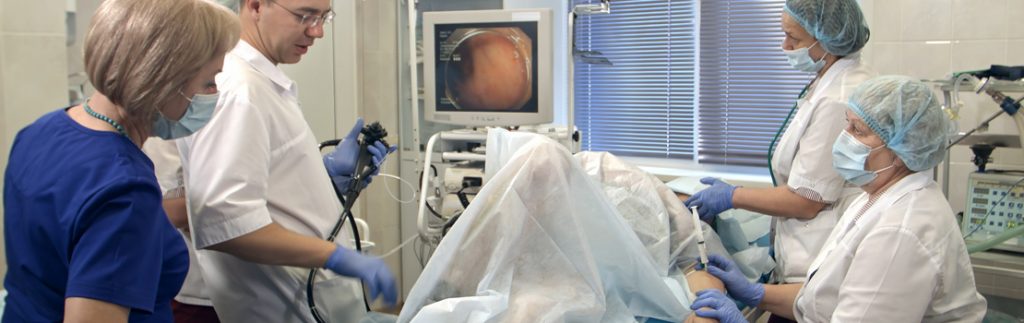
Patients are placed on an operating table for surgery or, in the event of endoscopic treatment, on a trolley. Surgery may need patient placement that is not at all comfortable, […]
Read More… from Significance of patient positioning guidelines in endoscopic procedures
Research Campus ARENA2036: The innovation platform for mobility and production of the future

The Research Campus ARENA2036 is a novel co-creative innovation environment. The proximity of researchers and developers from more than 50 partners within the 10,000m2 research factory enables higher speeds on […]
Philosophy and Critical Theory: Shining a light on Saladdin Ahmed’s research

Saladdin Ahmed is a philosopher and critical theorist. His works focus on the philosophy of resistance, antifascism, totalitarianism, and political space. For the last three years, he has been teaching […]
Read More… from Philosophy and Critical Theory: Shining a light on Saladdin Ahmed’s research
The role of testosterone in SARS-CoV-2 infection
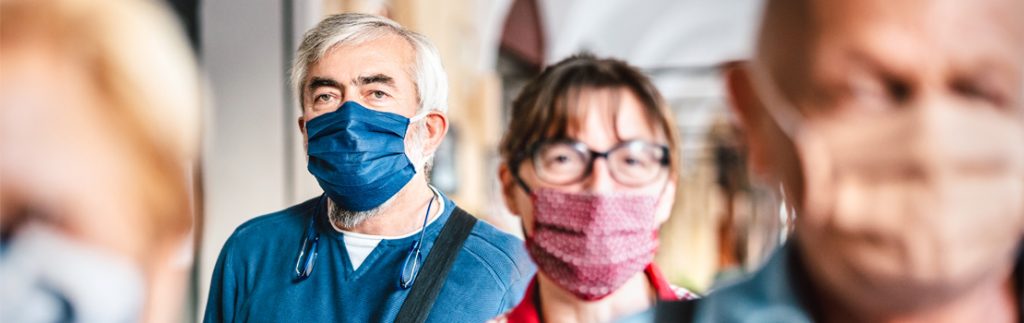
Data from multiple countries has shown gender imbalances in COVID-19 severity and risk of mortality, with worse outcomes seen in men. To explore why male gender is a major risk […]
Read More… from The role of testosterone in SARS-CoV-2 infection
Synthesising circular RNA is as easy as PIE

Naturally occurring circular loops of RNA, circRNAs, are the result of rare but significant backsplicing events. They are found throughout the eukaryotic domain and have been associated with pathological states […]
A canvas for a digital ecosphere

Digital Hub Denmark attracts digital talents, investors, and customers to Denmark. Digital Hub Denmark Professor, Claus A Foss Rosenstand, from Aalborg University, is helping organisations achieve exponential growth by leveraging […]
PNIRSAsia–Pacific 架起东西方之间的桥梁

心理神经免疫学是研究神经系统与免疫系统之间关系的学科,它在应激、正念、古法健身和饮食干预等领域率先取得了重大发现。心理神经免疫学研究协会(PNIRS)于2012年成立了中国分会,并在其获得成功之后,扩展到了整个亚洲和大洋洲地区。伊利诺伊大学的Keith W. Kelley及其合作者回顾了协会的成长历程以及亚洲和大洋洲各国家及地区最近对生物医学研究的贡献。 心理神经免疫学是生物医学研究中相对较新的领域,它探索神经系统与免疫系统之间的关系。近年来,亚洲和大洋洲各国家及地区在这一领域取得了长足进步。心理神经免疫学研究协会于2012年成立了官方的中国地区分会,促进了该领域的科学发展,并逐渐扩展到整个亚洲和大洋洲地区。本文记录了其成长历程,以及中国、中国台湾地区、澳大利亚和日本最近取得的研究进展。 Research Expenditure 生物医学研发的支出反映了国家的富裕水平及对公民健康的重视程度。除国家/地区的总支出外,支出的增长趋势也是衡量发展的重要指标。最新汇总的2007到2012这6年的数据说明,欧洲各国家及地区和美国的公共和私人科研支出均有下降,但日本、中国台湾地区、印度、澳大利亚、新加坡、韩国和中国却有增加。由于对生物医学的投资加大,亚太地区的心理神经免疫学研究蓬勃发展。 亚洲和大洋洲各国家及地区生物医学研究的日益繁荣增强了各国之间对一流科研人才吸引的竞争力,这为在海外深造的亚洲和大洋洲的科学家回到自己祖国工作提供了更多的机会。他们中的许多人与曾经一起深造的西方科学家制定了合作研究计划,为亚洲和大洋洲以外国家的科学家创造了更多赴海外工作的机会。因此,亚洲加大对生物医学研究的投资为世界各地的科学家增加了机会,推进了生物医学领域的新发现。 PNIRSChina 中国和西方国家的生物医学研究工作相对独立,直到21世纪初才有改变。心理神经免疫学研究协会(PNIRS)是1993年成立的全球性非营利组织,致力于推进对神经系统与免疫系统之间相互作用以及对行为与健康之间关系的研究。由于中国生物医学研究的蓬勃发展,PNIRS于2012年成立了中国分会。 PNIRSAsia-Pacific 委员会开创了一项计划,将亚洲和大洋洲的心理神经免疫学实验室与其他国家的实验室联系起来。 中医(TCM)强调身心平衡,即脑、激素和免疫系统之间的信息交流。中医已成为现代心理神经免疫学理论的基础,因此,东西方科学家之间的合作使人们能够更好地理解人类的健康问题。2013年,PNIRSChina在中国大连召开了第一次会议,会上阐述了PNIRSChina的三个主要目标:(1) 进行可转化为临床应用的基础研究;(2) 促进不同学科的科学家之间的联系;(3) 建立心理神经免疫学研究者的学术交流平台。协会成立了一个委员会来组织研讨会和安排其他推广措施,供中西方科学家分享心理神经免疫学知识。自首次会议以来,协会在中国各地又举行了六场研讨会。 《脑、行为和免疫》 《脑、行为和免疫》(Brain, Behavior, and Immunity)于2000年成为PNIRS的官方杂志。多年来,它一直在全球免疫学和神经科学期刊中排名前15%,在所有精神病学期刊中排名前10%。《脑、行为和免疫》一直被全球公认为“神经科学中最好的免疫学杂志”。最初,美国科学家是该杂志的主要撰稿人。现在,17%的投稿来自中国,成为该杂志投稿量第二多的国家。通过引用频次可以说明,中国学者发表的论文质量很高(2015年至2016年间引用量最高的10篇2014年论文中就有3篇来自中国实验室)。 PNIRSAsia-Pacific 在中国成功举办了七场研讨会之后,协会扩展到整个亚洲和大洋洲,包括北亚、南亚、东南亚国家和地区以及澳大利亚和新西兰。因此,PNIRSChina于2017年更名为PNIRSAsia-Pacific。此后,协会在中国大陆以外的国家和地区(包括中国台湾地区、澳大利亚、日本、韩国和新西兰)又举办了九场研讨会。所有研讨会的摘要以及演讲者的照片可在线查看,网址为: www.pnirs.org/pnirsasia-pacific 全球研究网 根据博士后培训、合作研究和科学会议的数据显示,尽管心理神经免疫学的研究正在全球范围内展开,但很少西方科学家化大量时间在亚洲工作。PNIRSAsia-Pacific委员会率先提出了一项计划,将亚洲和大洋洲的心理神经免疫学实验室与其他国家的实验室联系起来,称之为 PNIRSAsia-Pacific Global Research Connections(全球研究网)。协会开发了一个网站,感兴趣的科学家只需提供一些简单的信息即可加入该计划。该计划的目标是将亚太各国家及地区的心理神经免疫学科学家联系在一起,并与世界各地的实验室合作,以促进全球生物医学研究。任何感兴趣的科学家都可以在这里注册: […]