
Tag: greenhouse gases
Measuring greenhouse gas emissions from wildfires from space
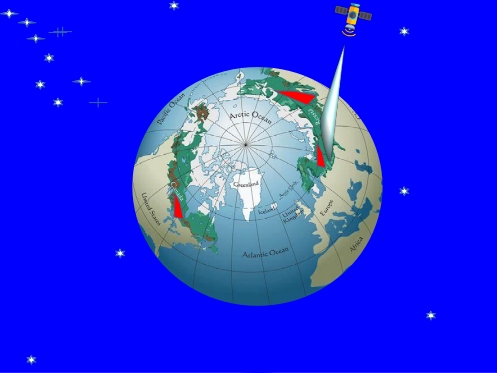
Vast areas of the Northern Hemisphere in Siberia, Canada, and Alaska are covered in forest. Fires (wildfires) in this wilderness are quite common, with the forests being at risk twice a year, first in spring and then in late summer. Occasionally these wildfires reach populated places causing damage to homes and other city buildings. Furthermore, many experts believe that carbon […]
Read More… from Measuring greenhouse gas emissions from wildfires from space
Antilope: A low-cost portable sensor system for air quality monitoring

Monitoring air quality and assessing personal pollutant exposure in urban settings remain challenging tasks in atmospheric science. As part of this monitoring, low-cost sensors have become increasingly available. This allows makers to assemble their own air quality stations according to online instructions, and institutions to multiply the number of measurement points. However, most of these commercial devices suffer from limitations […]
Read More… from Antilope: A low-cost portable sensor system for air quality monitoring
Food Waste-to-Energy: A project-based school learning experience

One of the challenges facing the uptake in renewable energy and waste-reduction methods is sufficiently changing peoples’ perceptions to ensure a cultural shift needed for momentum. A possible model for achieving this sits in the small village of Potsdam in the US state of New York. Professors Jan DeWaters and Stefan J Grimberg at Clarkson University have established an ongoing […]
Read More… from Food Waste-to-Energy: A project-based school learning experience
Nanotechnology and metal-organic frameworks for carbon capture

Greenhouse gases pose a major environmental threat that needs to be tackled. Nanotechnology offers great potential, with novel nanomaterials such as metal-organic frameworks (MOFs) being strong candidates for the adsorption of greenhouse gases. Dr Ocean Cheung, assistant professor at Uppsala University in Sweden, looked into a MOF sub-category, zeolite imidazolate frameworks (ZIFs), and examined how mixing raw materials for ZIF […]
Read More… from Nanotechnology and metal-organic frameworks for carbon capture
Adaptation to climate change and increasing CO2 in rice
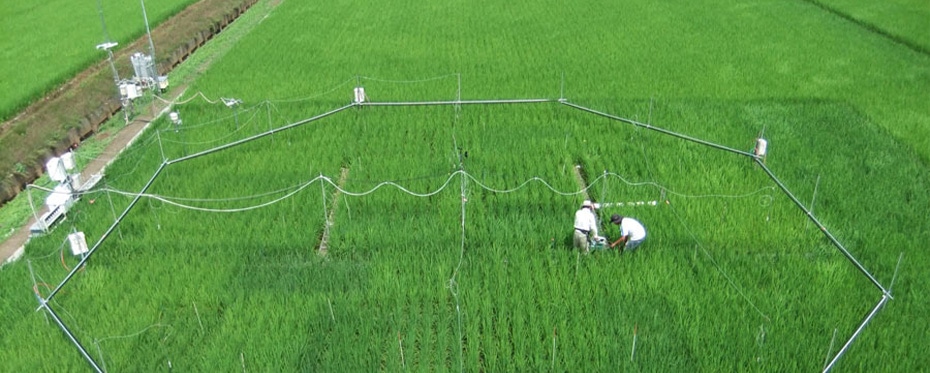
Improving yield response in rice under increasing atmospheric carbon dioxide (CO2) concentrations will help this crop adapt to the changing climate. Dr Toshihiro Hasegawa, a plant physiologist at Tohoku Agricultural Research Center in Japan, studies the effects of climate change on rice yield and quality. The FACE (free-air CO2 enrichment) platform provides experimental facilities under open-field conditions for modelling how […]
Read More… from Adaptation to climate change and increasing CO2 in rice