
Tag: convergent evolution
Carcinisation – what’s so special about crabs?
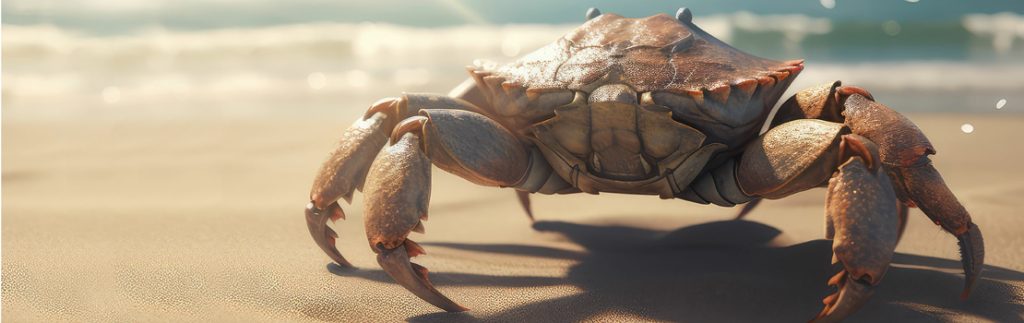
Convergent evolution is a process whereby over time, similar features evolve in different and unrelated species. It’s been observed in many species of animals and plants − for example, there are remarkable structural similarities in the eyes of humans and octopuses − but one form of convergent evolution has attracted popular attention in recent years. ‘True’ crabs are decapod crustaceans […]
Read More… from Carcinisation – what’s so special about crabs?
The adaptive cancer cell: How metastases evolve to resist treatment
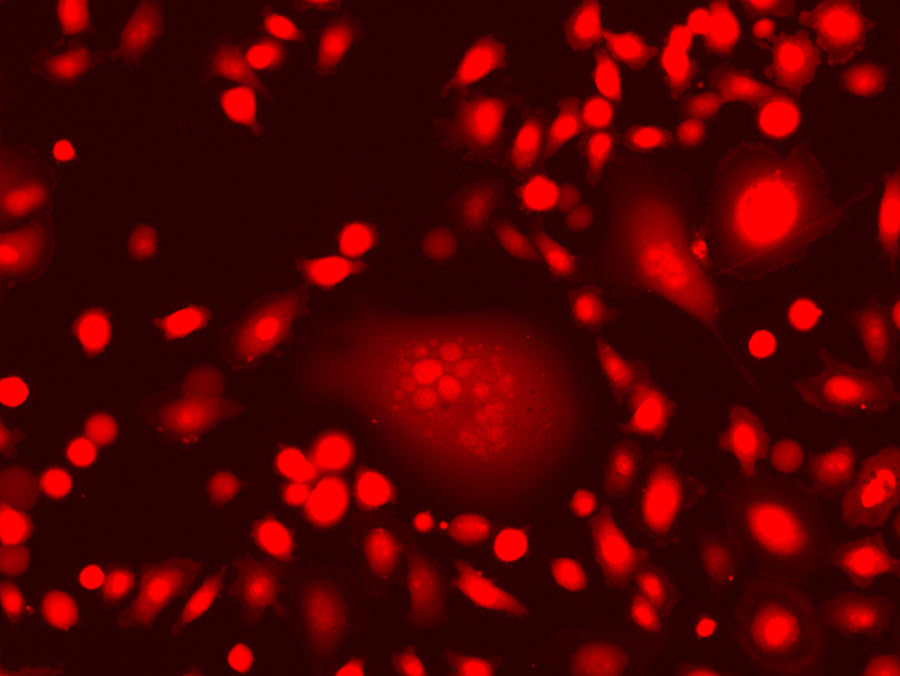
Species adapt to survive in a changing environment through the process of evolution. Evolutionary processes can also take place at the cellular level. Dr Sarah Amend of Johns Hopkins University, Baltimore, USA, is investigating poly-aneuploid cancer cells (PACCs). These large, DNA-laden cells, which are more common in metastatic cancer, develop evolvability: the capacity to evolve. Dr Amend believes that targeting […]
Read More… from The adaptive cancer cell: How metastases evolve to resist treatment
Fishes in the lower Congo River. An extreme case of species divergence and convergent evolution

In its lower reaches the Congo River is the world’s fastest and deepest river, and this short stretch hosts great biological diversity. Many fishes inhabiting the lower Congo River display adaptations to life in such an extreme environment, and often similar adaptations have arisen in fishes distant from each other on the tree of life. Professor Melanie Stiassny, along with […]