
Tag: COVID-19
What can COVID-19 shutdowns teach us about reducing air pollution?
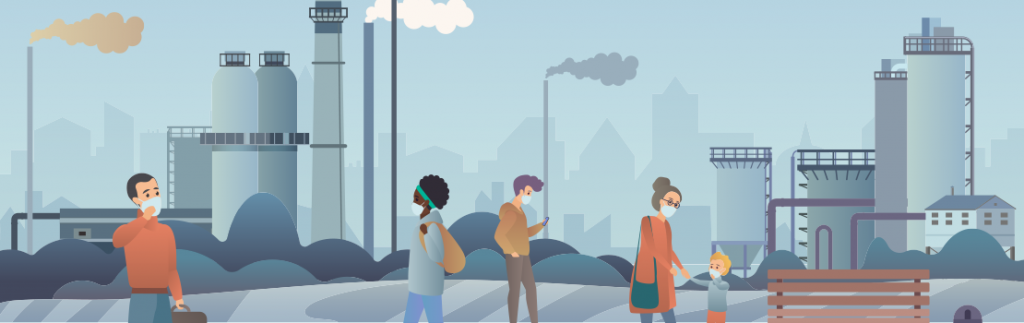
The impact of COVID-19 on manufacturing, travel and the associated pollutant production has proved an unexpected opportunity for a global experiment for atmospheric scientists. Drs Jenny Stavrakou and Maite Bauwens at the Royal Belgian Institute for Space Aeronomy are experts in atmospheric modelling and interpretation of satellite measurements of air pollution. They have been exploring how COVID-related changes have affected […]
Read More… from What can COVID-19 shutdowns teach us about reducing air pollution?
COVID-19: An individualized treatment framework

The elderly are among those at greatest risk of serious infection and death from the coronavirus (COVID-19). By individualizing treatment for COVID-19 and its complications, a significant advance in medicine and improving care could be achieved. Dr Richard Aguilar and colleagues have developed the first known evidence-based recommendations for individualized treatment. These recommendations were derived from a preliminary review of […]
Read More… from COVID-19: An individualized treatment framework
COVID-19 and its variants:
How N95 (hi-fi) masks can protect us
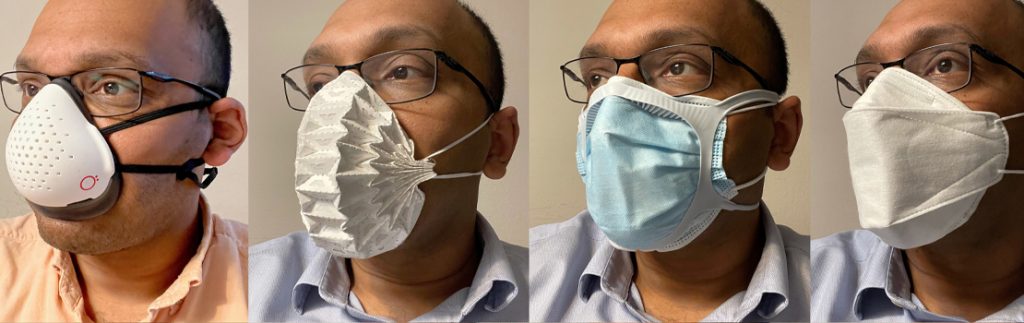
One of the defining issues of the COVID-19 pandemic and efforts to prevent its spread is inter-household transmission. Among the many policies and guidelines implemented, masks have been one of the most important and are now required wearing in the public spaces of many countries. But what if the masks we currently wear aren’t good enough? Researcher Devabhaktuni Srikrishna models […]
Read More… from COVID-19 and its variants:
How N95 (hi-fi) masks can protect us
The CEASE approach: A framework to tackle COVID-19 and other microbial threats

While the COVID-19 virus continues to spread in many countries worldwide, some researchers are investigating the implications of regularly using antimicrobial products and antibiotics, which could contribute to a concerning phenomenon known as antimicrobial resistance (AMR). Dr Teddie Rahube at Botswana International University of Science and Technology has recently developed CEASE, an approach that addresses some of the challenges associated […]
Read More… from The CEASE approach: A framework to tackle COVID-19 and other microbial threats
Making an impact: How Altmetric tells researchers more about their work

Founded in 2011, Altmetric is the data and metrics tool that begins to measure the impact of research from the moment it is published, allowing researchers to see how, why and where their work is being used, discussed and expanded upon. CEO Kathy Christian told us how Altmetric works, why it is so important and who is already using it. […]
Read More… from Making an impact: How Altmetric tells researchers more about their work
Tracking how SARS-CoV-2 mutates around the world during COVID-19 pandemic

The COVID-19 pandemic is an ongoing global health crisis caused by the SARS-CoV-2 strain of coronavirus. The SARS-CoV-2 virus mutates as it spreads, and monitoring these mutations and their distribution could provide information relevant for the treatment and control of the disease. Santiago Justo Arévalo (Ricardo Palma University, Peru) and his colleagues have analysed the progress of several mutations across […]
Read More… from Tracking how SARS-CoV-2 mutates around the world during COVID-19 pandemic
Viral encephalitis and virus-mediated memory disorders
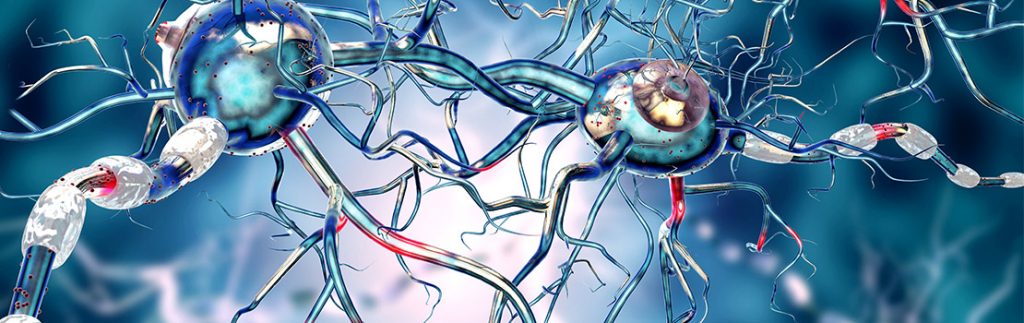
Viral encephalitis is a debilitating consequence of viral infections: invasion of the brain by viruses causes an inflammation that, even months or years after recovery from the viral infection, can impair cognitive functions such as learning and memory. Prof Robyn S. Klein from Washington University School of Medicine has developed novel animal models and approaches to study virus-mediated memory disorders, […]
Read More… from Viral encephalitis and virus-mediated memory disorders
Dihydromyricetin shows promise as anxiety disorder treatment

Anxiety disorders are one of the most common mental illnesses, and social isolation can be a major source of contributing stress. Medications to treat these disorders, such as benzodiazepines, are available; however, they come with a range of downsides. In a recent study in mice, Prof Jing Liang’s team at the USC School of Pharmacy in the US discovered that […]
Read More… from Dihydromyricetin shows promise as anxiety disorder treatment
The Wolfson Foundation: 65 years of philanthropy

An independent grant-making charity based in Central London, The Wolfson Foundation has awarded some £1 billion to more than 14,000 projects in the UK from Cornwall to the Shetland Islands since its establishment in the 1950s. Chief Executive Paul Ramsbottom explains how academic decision-making is at the heart of what they do, and how they’ve adapted in the face of […]
Read More… from The Wolfson Foundation: 65 years of philanthropy
xAI-EWS — an explainable AI model predicting acute critical illness

Early clinical predictions of acute critical illness have a vital influence on patient outcomes. For clinical medicine to benefit from the higher predictive power of Artificial Intelligence, however, explainable and transparent systems are essential. Simon Meyer Lauritsen and his collaborators at Enversion, Aarhus University, and Regional Hospital Horsens in Denmark have developed xAI-EWS – an explainable AI early warning score […]
Read More… from xAI-EWS — an explainable AI model predicting acute critical illness