
Tag: COVID-19
Is monoclonal antibody therapy effective and achievable in hospitals with limited resources?
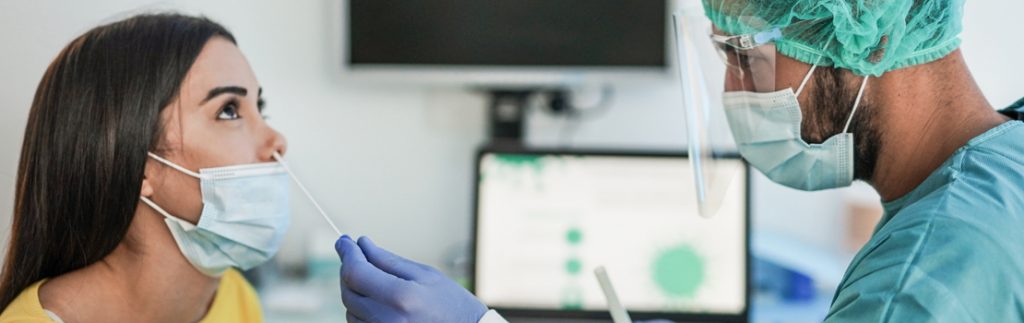
Monoclonal antibody therapy (MAT) is a way of treating COVID-19 for people who have tested positive, have mild to moderate symptoms, and are at high risk of developing more serious symptoms and complications. Although there are already studies showing promising results, the number of patients in the US, especially ethnic minorities, who have so far received MAT is small. Dr […]
Most popular articles published in 2021

It’s been a busy year here at Research Outreach. We’ve been lucky enough to collaborate with researchers working on projects that span some of 2021’s most talked-about topics, including the impact of social media on public discourse, the effectiveness of face masks, and innovations in financial technology. Read on to explore our top ten most popular articles of 2021 – […]
A solution-focused project to address the challenges of COVID-19 restrictions on children and young people
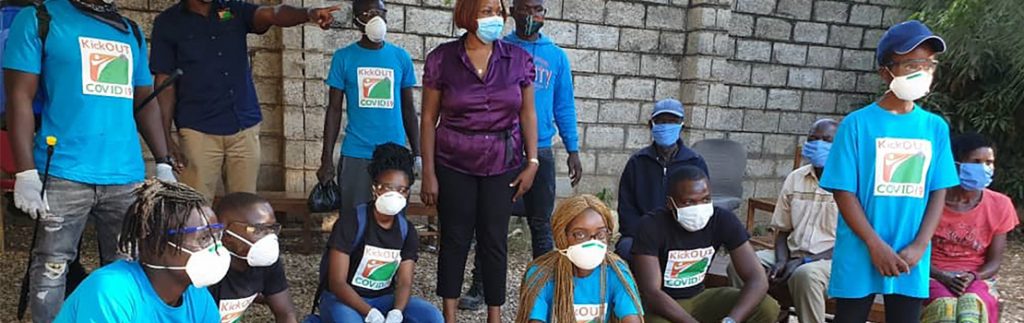
Apart from the severe health complications, the Coronavirus pandemic has posed other significant challenges to our society: loss of economic stability, social isolation, and deterioration of mental health are among some of them. Arguably one of the most affected demographics are the vulnerable and the young. Children and young people (CYP) living with physical and mental disabilities, especially in low- […]
The role of testosterone in SARS-CoV-2 infection
Data from multiple countries has shown gender imbalances in COVID-19 severity and risk of mortality, with worse outcomes seen in men. To explore why male gender is a major risk factor for more severe disease, Marta Camici, of The Lazzaro Spallanzani National Institute for Infectious Diseases (IRCCS), has explored the links between testosterone and COVID-19. Her research findings suggest that […]
Read More… from The role of testosterone in SARS-CoV-2 infection
Seasonal competition between mould spores and respiratory viruses
SARS-CoV-2, the virus that causes COVID-19, is one of a number of respiratory viruses that demonstrate a clear seasonal incidence. Professor Gregory Retzinger and colleagues have explored the relationship between influenza-like illnesses (ILIs), COVID-19 and bioaerosol burden. They found an inverse relationship between mould spores and cases of ILIs and COVID-19 which is potentially due to competition for the same […]
Read More… from Seasonal competition between mould spores and respiratory viruses
Assessing the effectiveness of pre-travel testing for COVID-19

There is a global need to implement new control measures for travel in order to monitor and prevent the spread of COVID-19 and novel variants. Dr Amy Hou and Dr Lorrin Pang, Maui District Health Office and Hawaii State Department of Health, are exploring a simple, rapid method that can be used to monitor the COVID-19 infection status of travellers […]
Read More… from Assessing the effectiveness of pre-travel testing for COVID-19
Covid-19 highlights the importance of defibrillation in in-hospital resuscitation

Many aspects of the healthcare system have changed as a result of the COVID-19 pandemic, including the response to cardiac arrests both outside and within hospitals. Early recognition of cardiopulmonary arrest, early defibrillation when indicated, and early advanced life support (ALS) are some of the common practices that fall under in-hospital resuscitation. John A. Stewart, an independent researcher and retired […]
Read More… from Covid-19 highlights the importance of defibrillation in in-hospital resuscitation
Is the Corona pandemic a gateway to global surveillance?

For the first time in human history, digital surveillance technologies have allowed governments around the world to monitor almost everyone, almost everywhere, almost all the time. The public has largely accepted such measures as necessary in the fight against the Coronavirus. But are we right to passively accept the abandonment of our right to privacy – a fundamental human right […]
Read More… from Is the Corona pandemic a gateway to global surveillance?
Food security in an insecure world: Modelling self-sufficiency

When global food prices spiked in 2008, many governments embarked on programmes to improve their country’s food self-sufficiency – but have they been successful? At Setsunan University, Japan, Dr Tetsuji Tanaka and Dr Jin Guo are quantitatively assessing the effectiveness of a number of self-sufficiency policies. They have studied regional and global volatility in beef and wheat prices, and used […]
Read More… from Food security in an insecure world: Modelling self-sufficiency
Digital transformation for higher education post COVID-19

The COVID-19 pandemic has forced Higher Education Institutions (HEIs) across the world to migrate to online environments, with differing degrees of difficulty and success. Lloyd George Waller of the University of the West Indies in Kingston, Jamaica, argues that success depends on HEIs’ digital readiness which is in turn an outcome of their digital transformation strategic framework. In a forthcoming […]
Read More… from Digital transformation for higher education post COVID-19