
Tag: air pollution
Antilope: A low-cost portable sensor system for air quality monitoring

Monitoring air quality and assessing personal pollutant exposure in urban settings remain challenging tasks in atmospheric science. As part of this monitoring, low-cost sensors have become increasingly available. This allows makers to assemble their own air quality stations according to online instructions, and institutions to multiply the number of measurement points. However, most of these commercial devices suffer from limitations […]
Read More… from Antilope: A low-cost portable sensor system for air quality monitoring
Omnipresent microplastic
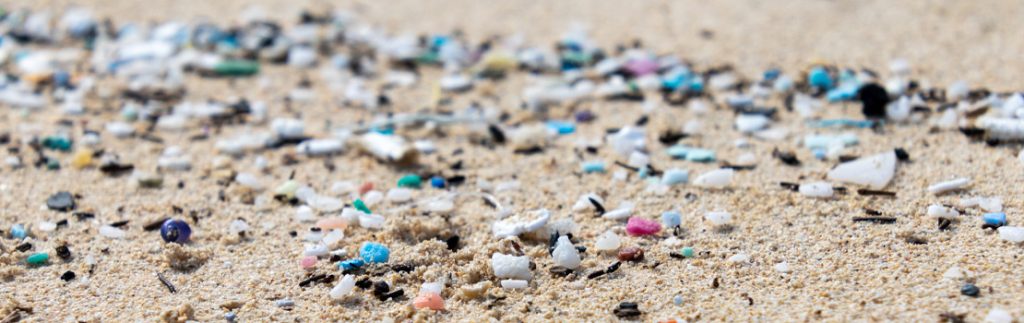
Microplastics have invaded every crevice, nook, and cranny on our planet and they are here to stay. Remember that plastic bottle you threw away back in the ‘80s? Well, it hasn’t disappeared – instead, it has fragmented into a million tiny pieces, which are now swimming in every ocean, infiltrating the soil in farms around the world, and even circulating […]
Advanced chemiresistive materials for wireless sensor networks
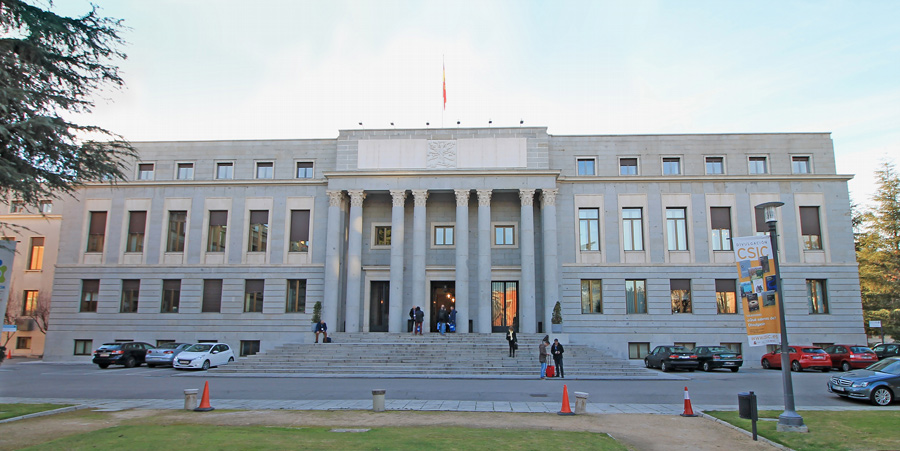
When exposed to gases and vapours of certain chemicals in their surrounding environments, chemiresistive materials can change their electrical resistance, which makes them incredibly useful as sensors for air pollution. Through her work, Dr Esther Hontañón, a researcher at the Spanish Council of Research (CSIC) in Madrid, explores how the latest advances in materials science and 3D printing technology can […]
Read More… from Advanced chemiresistive materials for wireless sensor networks
A rigorous model of electron attachment in lanthanide atoms

Understanding the physical mechanism underlying negative ion formation in low-energy electron collisions with lanthanide atoms is of fundamental importance in physics and chemistry. It also has important implications for a wide range of applications, from catalysis to drug delivery and water purification. Unfortunately, the complexity of the interactions among electrons in lanthanides has for a long time made it virtually […]
Read More… from A rigorous model of electron attachment in lanthanide atoms
What can COVID-19 shutdowns teach us about reducing air pollution?
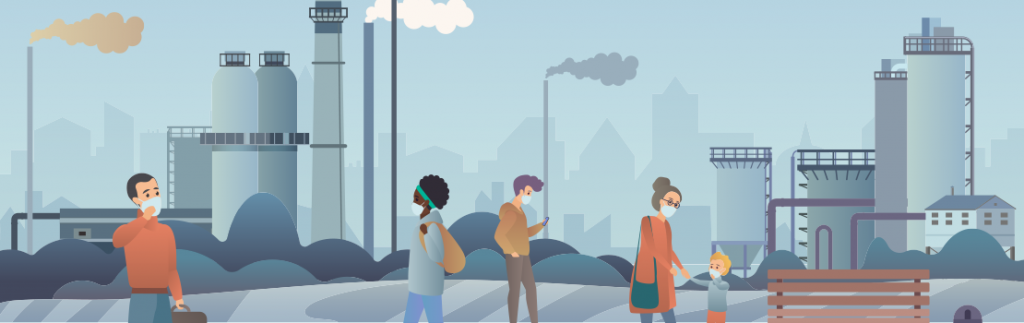
The impact of COVID-19 on manufacturing, travel and the associated pollutant production has proved an unexpected opportunity for a global experiment for atmospheric scientists. Drs Jenny Stavrakou and Maite Bauwens at the Royal Belgian Institute for Space Aeronomy are experts in atmospheric modelling and interpretation of satellite measurements of air pollution. They have been exploring how COVID-related changes have affected […]
Read More… from What can COVID-19 shutdowns teach us about reducing air pollution?
Air pollution monitoring and its role in public health

Air pollution monitoring is an important factor in air quality management. Both established long-term monitoring stations and short-term seasonal atmospheric field measurements are required to understand how atmospheric chemistry changes in response to air pollution regulation. Professor Schwab and his team from the University at Albany maintain long-term rural monitoring stations as well as highly specific mobile air pollution measurements […]
Read More… from Air pollution monitoring and its role in public health
Technological leapfrogging the global energy crisis: How can changing the role of science in developing countries help with an oncoming climate catastrophe?

In 1975, the Brazilian government launched the National Alcohol Program (NAP) with the sole aim of relieving the country’s crushing dependence on fossil fuels with a move to cleaner ethyl-alcohol based fuels – and, thanks to researchers like Professor José Goldemberg, of the University of São Paulo, the program was an overwhelming success. Combining the country’s own natural resources with technological leapfrogging – […]