
Tag: problem-solving
How can mathematics research increase effective instruction and student success?
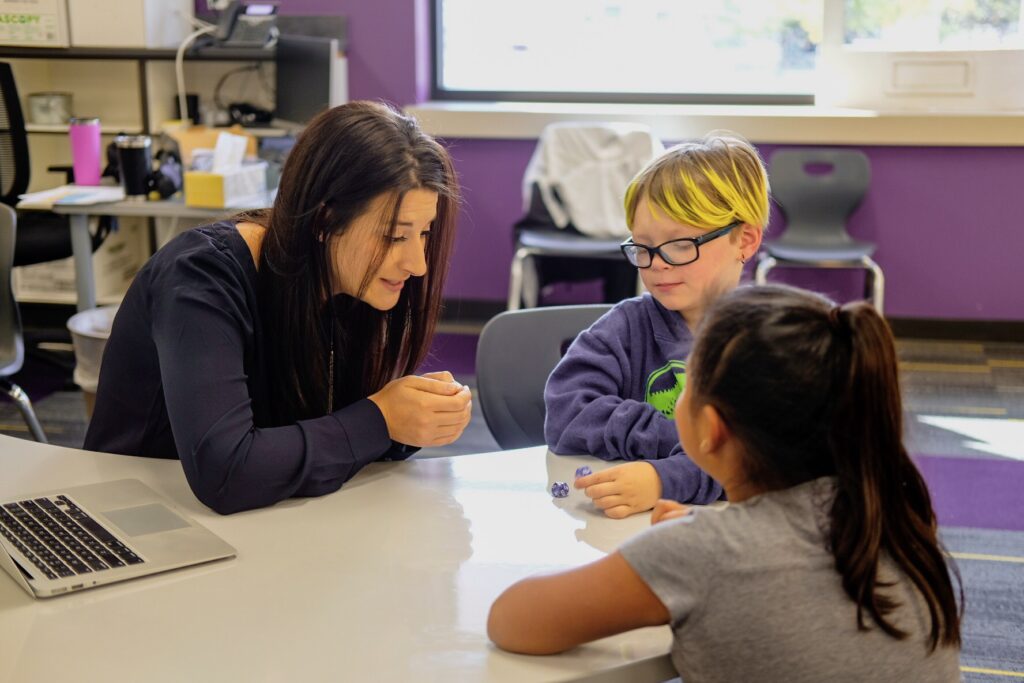
Elementary and middle school students in the US are underachieving in mathematics. Those without adequate understanding of basic mathematical concepts and skills after completing kindergarten go on to struggle throughout their maths education. So how can teaching maths be improved to enable children to learn best? Dr Jonathan Brendefur and colleagues at the Developing Mathematical Thinking Institute (DMTI) have developed […]
Read More… from How can mathematics research increase effective instruction and student success?
The M-Factor: An experiential learning student competition
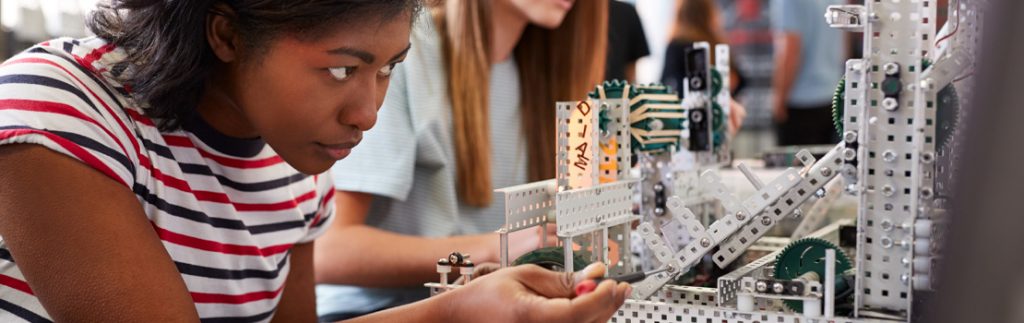
How might the format of reality TV shows be adapted to the academic environment to help engineering students develop management skills? That was the aim of a research project devised by Professor Theomary Karamanis, from Cornell University in New York in the United States, and Professor Allan MacKenzie, from McMaster University in Ontario, Canada. The findings show that not only […]
Read More… from The M-Factor: An experiential learning student competition
Training a new generation of problem solvers: Innovation in STEM education

Humankind faces unprecedented environmental, social, and economic challenges. There is a critical need for STEM education to foster both science learning and the application of learning to problem solving. At the University of Utah, Professor Nancy Butler Songer and her collaborators have developed a suite of interdisciplinary instructional and field-based data collection resources offering elementary and secondary students the chance […]
Read More… from Training a new generation of problem solvers: Innovation in STEM education
Self-efficacy in non-routine problem solving in STEM education
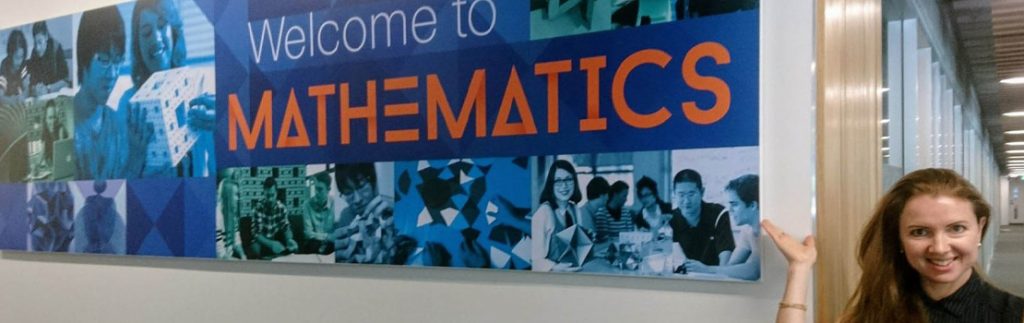
Dr Tanya Evans and Emeritus Prof Mike Thomas from the University of Auckland, led by Associate Prof Sergiy Klymchuk from Auckland University of Technology, have developed an intervention that examines whether the employability prospects of students in STEM education could be improved. Their findings suggest that the attitude profiles of students with high and low lateral thinking self-efficacy differ significantly. […]
Read More… from Self-efficacy in non-routine problem solving in STEM education
The Benefits of Exercise on the Mind

Exercise has long been advocated as a way to enhance physical health, but it has also been shown to have several benefits on the mind. More recently, research has focused on how exercise can improve cognitive function. Over the past three decades, Drs Phillip D. Tomporowski and Caterina Pesce from the University of Georgia and the University of Rome, respectively, […]