
Tag: brain
Dual-brain psychology is an innovative theory and treatment for drug addiction

Dr Fredric Schiffer is an experienced psychiatrist, working in private practice and affiliated with Harvard Medical School. He has spent the last 30 years developing a psychological theory which suggests that our brain hemispheres experience feelings differently, particularly when processing past trauma. Dr Schiffer has used this dual-brain theory to develop a treatment for opioid use disorder. In combination with […]
Read More… from Dual-brain psychology is an innovative theory and treatment for drug addiction
Brain Awareness Week 2022

March 14 marks the start of Brain Awareness Week! Spearheaded by the Dana Foundation, the importance of brain research is catapulted onto the global platform between 14th–20th March 2022 – and cerebral successes in the field are celebrated. Research into the brain is vital for saving lives, increasing quality of life and explaining how ‘the little grey cells’ control our […]
World Cancer Day 2022: Innovations in cancer research
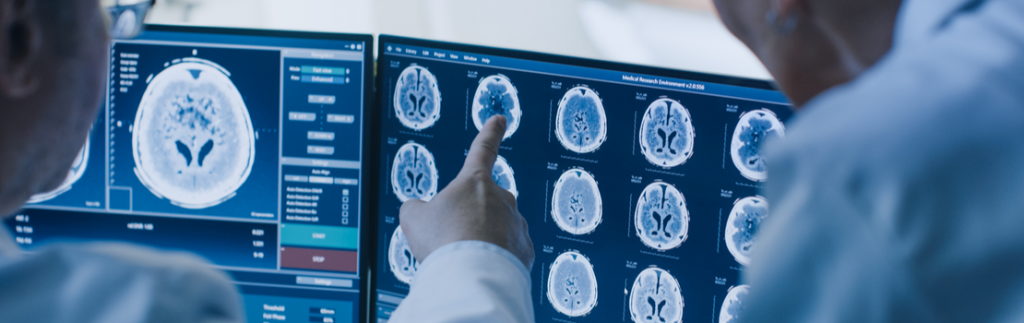
Despite cancer being a leading cause of death worldwide, detecting cancers early enough to treat them remains a significant challenge. World Cancer Day, held annually on February 4, presents an opportunity to celebrate the advances that have been made, and to reflect on the work still to be done. This blog post brings together five Research Outreach articles that outline […]
Read More… from World Cancer Day 2022: Innovations in cancer research
New theories expand cognition to fungi
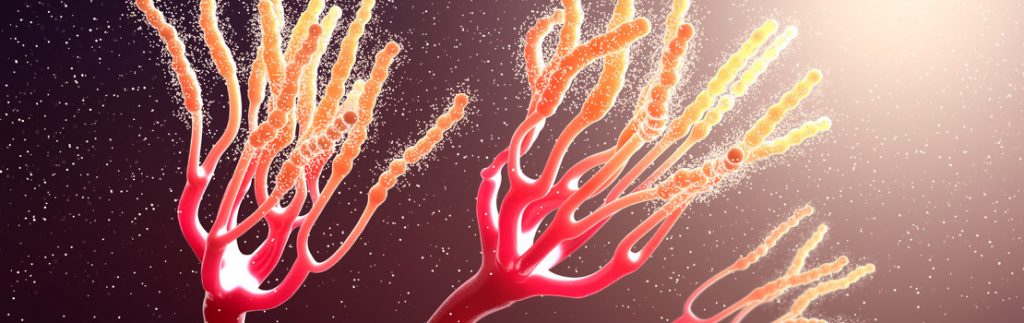
Consciousness is an elusive concept. Professor Nicholas Money of Miami University in Oxford, Ohio has argued for a new philosophy of cellular consciousness and suggests that fungi have minds. When we explore the sensitivity of fungi and other microbes and recognise their ability to interpret and respond to their environment, it seems logical to extend the definition of consciousness to […]
Neuron-less knowledge processing in forests

Dr Aviv Segev, Professor at the University of South Alabama, is researching the knowledge-related activity of forests. While trees do not have neurons, they can build a communication network, and Dr Segev analyses their use of the resources needed for survival. This study demonstrates that neuron-like relations occur in a forest knowledge-processing system. Results demonstrate that trees use mechanisms analogous […]
Using β3 integrin to control reactive astrocytes, and help neurons survive
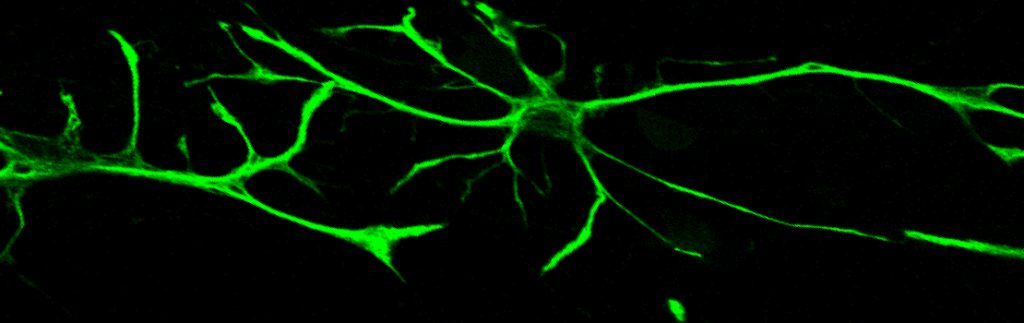
The long-ignored astrocyte is of more interest than ever in neuroscience. When the central nervous system is damaged, astrocytes undergo astrogliosis, morphing into reactive astrocytes to protect neurons from further damage. But, as it turns out, this process could be doing more harm than good by not allowing damaged neurons to mend themselves. Professor Lisette Leyton of the University of […]
Read More… from Using β3 integrin to control reactive astrocytes, and help neurons survive
The Benefits of Exercise on the Mind

Exercise has long been advocated as a way to enhance physical health, but it has also been shown to have several benefits on the mind. More recently, research has focused on how exercise can improve cognitive function. Over the past three decades, Drs Phillip D. Tomporowski and Caterina Pesce from the University of Georgia and the University of Rome, respectively, […]
Mutant protein in Siamese cats may be involved in neurodegenerative disorders
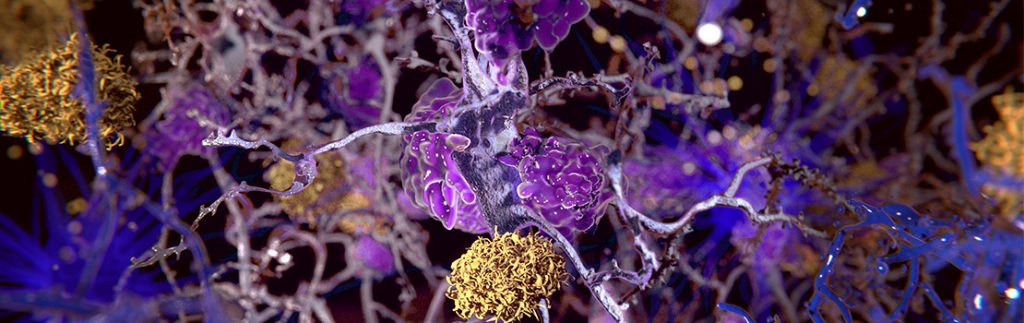
Siamese cats and humans share the same pathology when it comes to neurodegenerative disorders, such as Alzheimer’s disease. Dr Ingrid Niesman, based at San Diego State University, USA, believes it’s all down to a mutation in a protein called tyrosinase. The researcher wants to understand the impact of this malfunctioning protein, as well as use these cats as a basis […]
Read More… from Mutant protein in Siamese cats may be involved in neurodegenerative disorders
Cryo-electron tomography and synaptic transmission in the brain
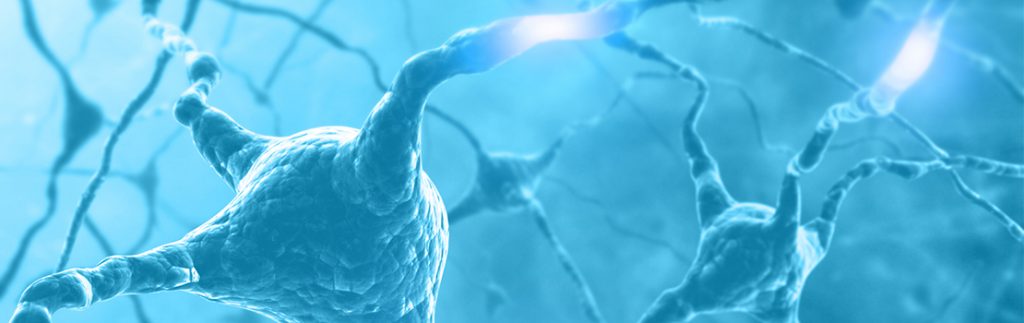
The transmission of information between brain cells is regulated by complex loops of biochemical processes. Neurotransmitter molecules are released in the intercellular space by an electrically stimulated neuron and bind to receptors in a different neuron, thus establishing a connection between these cells. By combining cryo-electron microscopy and tomography of vitrified brain samples, Dr Vladan Lučić at Max Planck Institute […]
Read More… from Cryo-electron tomography and synaptic transmission in the brain
Neuronal cultures to study the brain and neurological disorders
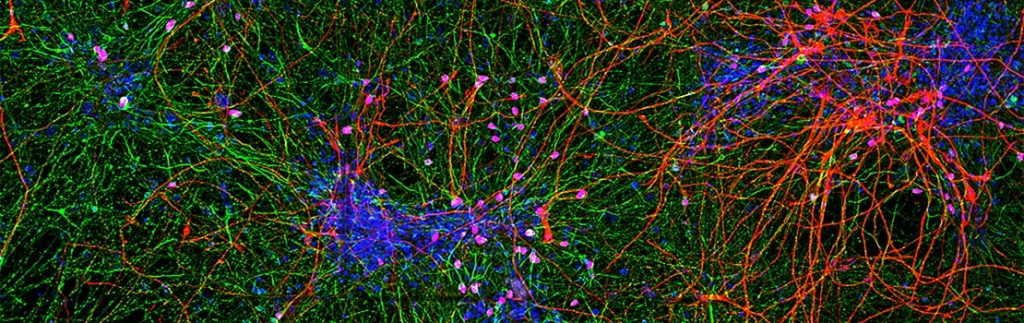
Understanding the brain is essential, for example to treat neurological disorders that affect one in six people worldwide. However, studying the brain is challenging: it is so complex and difficult to access. Cell biologist Dr Daniel Tornero and neurophysicist Dr Jordi Soriano, from the University of Barcelona, developed neuronal cultures that can be used to study mechanisms involved in brain […]
Read More… from Neuronal cultures to study the brain and neurological disorders