
Tag: science communication
Ohrid diamond – the dark horse of chestnuts?
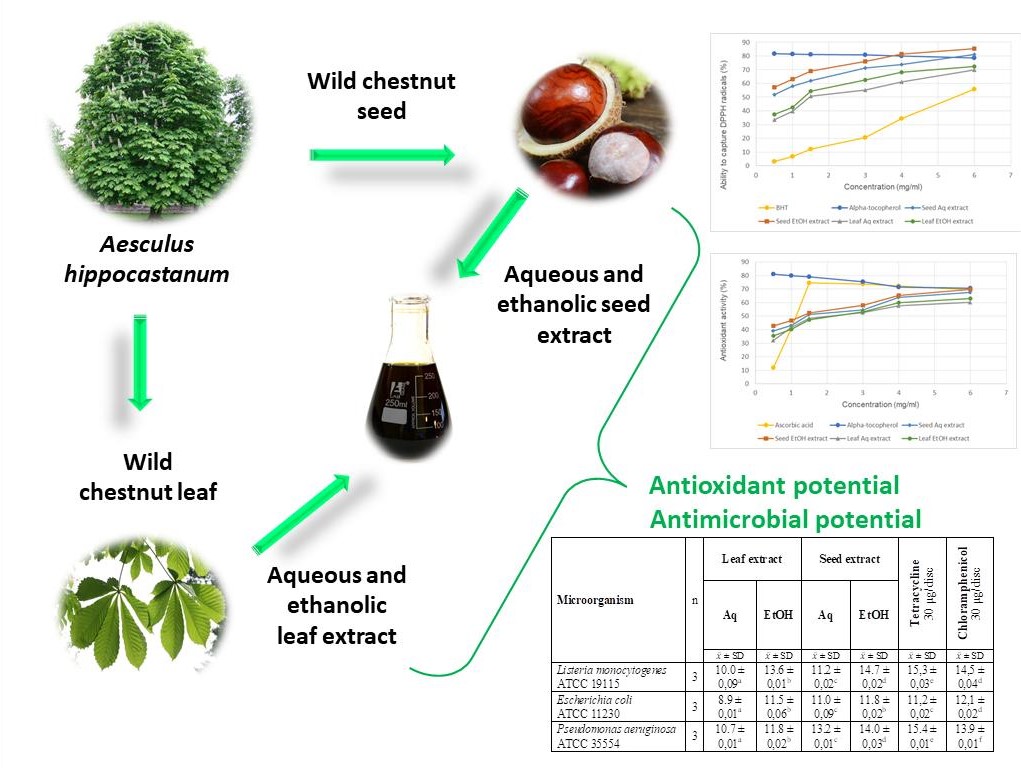
Looking at the Ohrid diamond The need to study biologically active compounds in plants, such as phenolic compounds, flavonoids, carbohydrates, is growing in importance in scientific research. These active compounds can have a medical effect on consumer’s health. Despite the chemical composition of wild chestnut being well-known, there is still insufficient data on the antioxidant and antimicrobial activity shown by […]
Read More… from Ohrid diamond – the dark horse of chestnuts?
Research Outreach – Issue 131: Vaccines, nanotech, and new teacher troubles
Research Outreach Issue 131 covers the spectrum of scientific research from long-range submarine sensors to using nanotechnology in nuclear fusion, as well as social issues such as building inner strength, and how to support new teachers when teaching ‘out-of-field’. We cover a number of positive new insights in the field of medicine, including a valuable approach to childhood vaccines that […]
Read More… from Research Outreach – Issue 131: Vaccines, nanotech, and new teacher troubles
World Cleanup Day 2022: Help #cleanup our planet

Put on your rubber gloves and help #cleanup the planet on World Cleanup Day 2022. This 17th of September, millions of international volunteers will join forces to pick up trash and remove waste that pollutes the Earth. Let’s Do It World leads the collective effort to rid the world of pollution, mobilised into action by the horrific truth that only […]
Read More… from World Cleanup Day 2022: Help #cleanup our planet
Research Outreach – Issue 130: Pollution problems, ethical engineering, and civilisation decline
Research Outreach 130 highlights international research in a diverse array of topics, including volatile oil prices, a new delivery system for dietary supplements, and a deeper understanding of civilisation decline in the Late Holocene era. Waste management is once again a key topic, as we share research into one region in Finland that is helping transition to a circular economy. […]
The science behind a perfect cup of coffee

There is something about the smell of a good cup of coffee in the morning that just cannot be beaten. Unless you prefer tea of course, in which case it should be gently highlighted that coffee is now the most popular drink worldwide and it’s probably time to give it a go. But how do you make a perfect cup […]
Life on the moons of our Solar System

Spreading out among the stars and building new colonies has long been a dream for humanity, but we shouldn’t just looked at neighbouring planets as potential future homes. Scientists have been collecting information on the moons in our Solar System for decades, and they are often just as interesting as the planets they orbit. Our Solar System is home to […]
Science Communication: A Brief History

Recent years have seen a huge drive to bring science and research to a wider audience, and to reduce the elitism built into society with regards to who is allowed access to scientific knowledge and learning. While science once was the bastion of the wealthy, well-educated man, it now belongs to all of us – or so is the intention […]
The Open Notebook and the art of science journalism

The importance of quality science journalism has been widely recognised throughout the long months of the COVID-19 pandemic. What is less frequently discussed is the unique skillset that is required to undertake this vital form of translation: ensuring that the complexity of cutting-edge research is communicated in such a way that it remains exciting, accurate, and digestible. The Open Notebook […]
Read More… from The Open Notebook and the art of science journalism
Dry January: Can alcohol affect your eyes, bones, and perceived reliability?

The first month of the Gregorian Calendar is often marked by a renewed set of hopes and intentions for the year to come. From resolutions on personal and professional growth to plans to implement healthy lifestyle changes, New Year’s resolutions are widespread. Some choose to participate in an event called Dry January, the aim of which is to abstain from […]
Read More… from Dry January: Can alcohol affect your eyes, bones, and perceived reliability?
The Story Collider: Communicating the stories of science

The Story Collider is an organisation with a simple yet vital task: to collect and relay stories about science. This task is fundamentally collaborative, involving an assortment of global voices from across every demographic. There are very few lives, after all, which have not been touched in some inexplicable way by the capabilities of modern science. Research Outreach were privileged […]
Read More… from The Story Collider: Communicating the stories of science