
Tag: sugar
Recycling refinery final molasses with ionic membranes
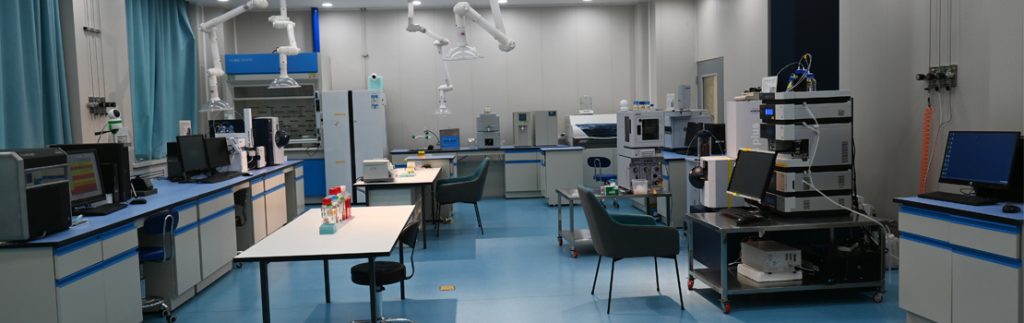
Refinery final molasses is one of the key products in the industrial production of sugar from sugarcane, and its global annual output reaches 55 million tonnes. Although molasses is rich in nutrition, it contains colloids, pigments, and toxic substances, and only a small fraction of it is traded internationally. Using a new technology involving purification with ionic membranes and fermentation, […]
Read More… from Recycling refinery final molasses with ionic membranes
How did bacterial glycogen branching enzymes evolve?
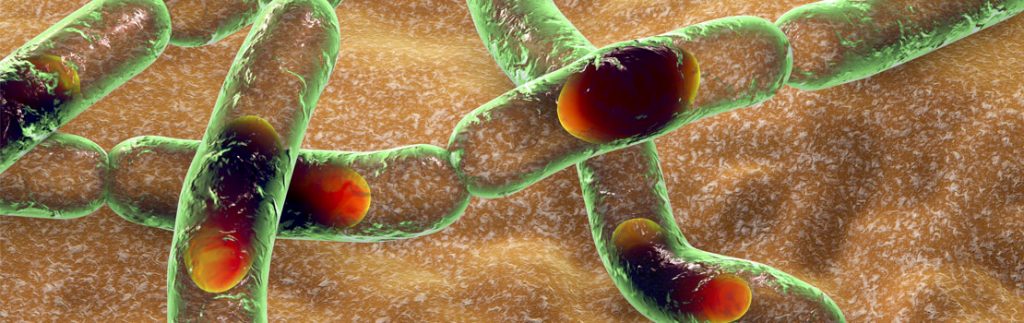
Glycogen is a sugar which plays important roles in carbon and energy storage in bacteria. Glycogen with a highly branched, compact structure offers a more durable energy source – a characteristic linked with bacterial environmental durability, such as the ability to survive in deep sea vents. Dr Liang Wang at the Institut Pasteur of Shanghai and Ms Qing-Hua Liu at […]
Read More… from How did bacterial glycogen branching enzymes evolve?
Fossilising fossil fuels with green alternatives

Green Biologics are a renewable chemicals company who are not only changing the face of renewable chemicals, but are changing the world while they are at it. Dr Liz Jenkinson is one of the lead researchers at the company, and it is her work that is providing the answer to the question: is there an alternative to fossil fuels? Her […]
Read More… from Fossilising fossil fuels with green alternatives