
Tag: CRISPR
CRISPR gene editing: Can we make cancer cells easier to kill?

Lung cancer accounts for approximately one in five cancer deaths globally. The high death toll makes the development of new treatments and improvement of old ones a top priority. One of the challenges with traditional chemotherapy is that tumours can develop resistance to treatment. For several years, Eric B Kmiec, PhD, at the Gene Editing Institute of ChristianaCare, USA and […]
Read More… from CRISPR gene editing: Can we make cancer cells easier to kill?
Regulating RNA interference by modifying RNA backbone with amides

Professor Eriks Rozners and colleagues at Binghamton University in New York, USA, are using innovative nucleic acid chemistry to modify RNA-based technologies such as RNA interference (RNAi) and Clustered Regularly Interspaced Short Palindromic Repeats (CRISPR) to enhance their utility in molecular biology. These technologies suffer from off-target effects that limit their clinical utility. By replacing phosphates in the backbone with […]
Read More… from Regulating RNA interference by modifying RNA backbone with amides
An age-old problem: How SENS Research Foundation is looking at age-related disease in a new way

Despite time, energy and money being poured into age-related disease research around the world, humans are yet to find cures for illnesses such as Alzheimer’s, cardiovascular disease and diabetes. SENS Research Foundation believe this is because current research is approaching the problem from the wrong angle. Research Outreach found out more from the Foundation’s Chief Science Officer and co-founder Dr […]
High-throughput fluorescent sequencing of biomolecules within their cellular environment
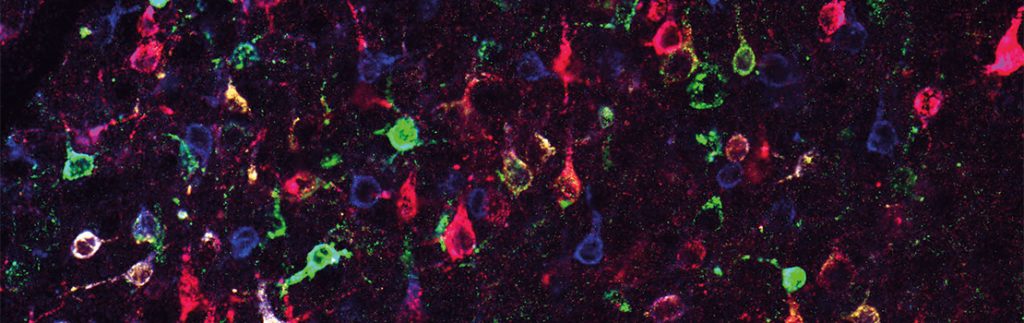
Understanding the molecular diversity within healthy or diseased tissues is crucial for the diagnosis and treatment of diseases and for gaining a better understanding of fundamental biological processes. Biological tissues contain thousands of different molecules, yet conventional staining looks at only a few at a time because it relies on a limited number of dyes. Prof George Church and Dr […]
Fossilising fossil fuels with green alternatives

Green Biologics are a renewable chemicals company who are not only changing the face of renewable chemicals, but are changing the world while they are at it. Dr Liz Jenkinson is one of the lead researchers at the company, and it is her work that is providing the answer to the question: is there an alternative to fossil fuels? Her […]
Read More… from Fossilising fossil fuels with green alternatives