
Tag: fungi
Vermicomposting: Using the soil ecosystem in new places
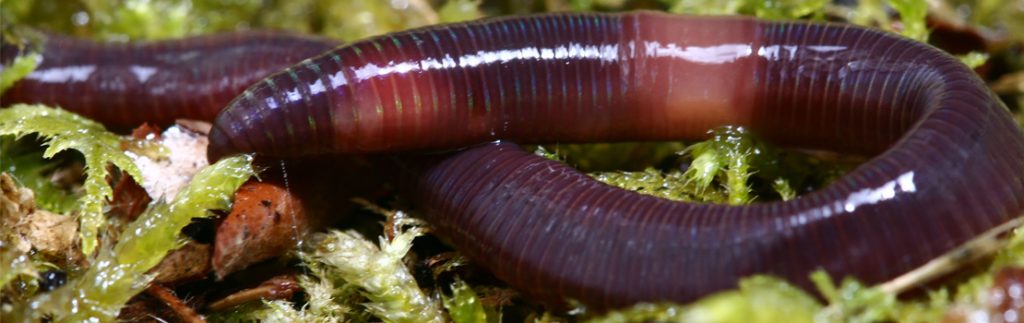
Vermicomposting has gained popularity as a sustainable, environmentally friendly method for waste disposal and fertiliser production. Earthworms and soil microbiota work together to break down and reshape solid organic waste into a fertile humus. From small-scale beginnings, much research has been done to scale up and optimise the physical and biological aspects of the system. Dr Jorge Domínguez, head of the […]
Read More… from Vermicomposting: Using the soil ecosystem in new places
Do bees farm microbes? Rethinking what it is to be a bee
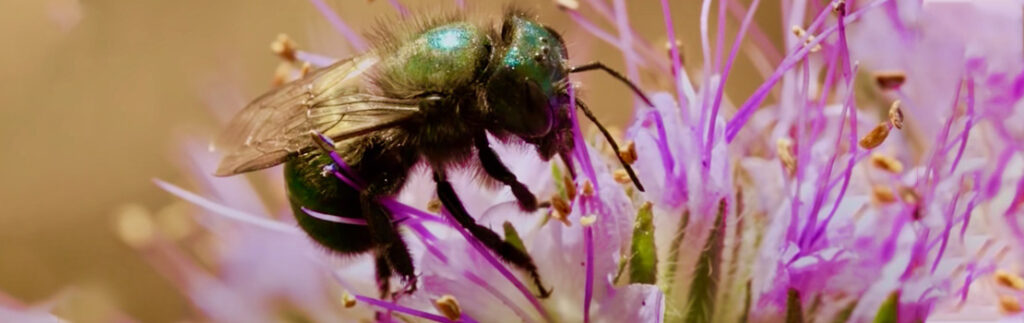
Bees have not been eating what we thought they were. The work of Dr Prarthana Dharampal and Dr Shawn Steffan, University of Wisconsin, USA, shows bees are not strict vegetarians requiring just pollen and nectar for food. Larval bee health is also reliant on eating the microbes that are feeding on the pollen supplies. The bee larvae are further up […]
Read More… from Do bees farm microbes? Rethinking what it is to be a bee
New theories expand cognition to fungi
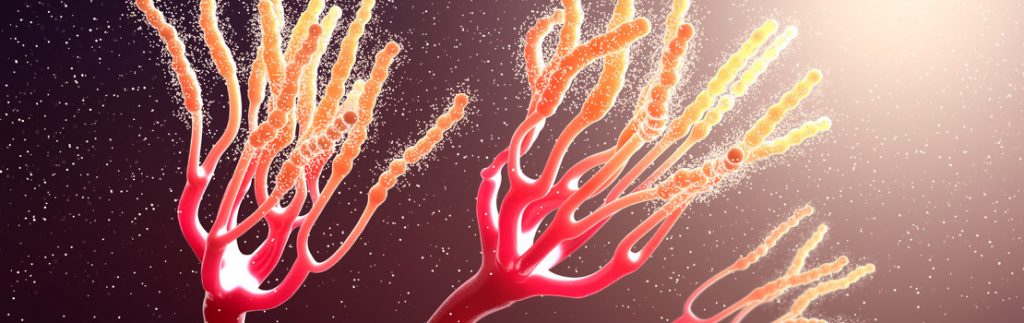
Consciousness is an elusive concept. Professor Nicholas Money of Miami University in Oxford, Ohio has argued for a new philosophy of cellular consciousness and suggests that fungi have minds. When we explore the sensitivity of fungi and other microbes and recognise their ability to interpret and respond to their environment, it seems logical to extend the definition of consciousness to […]
Seasonal competition between mould spores and respiratory viruses
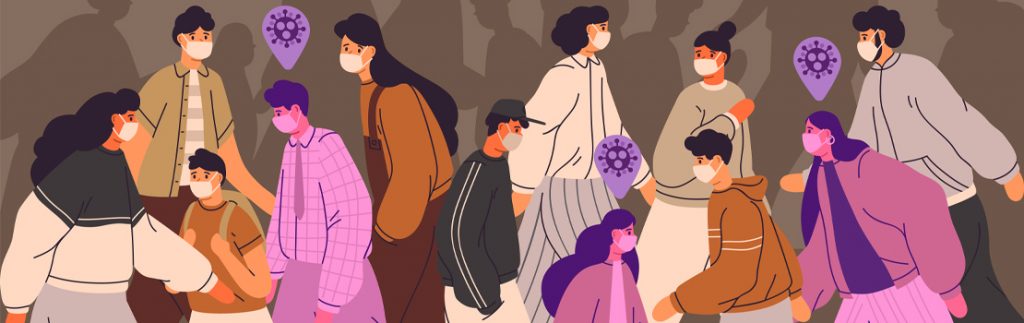
SARS-CoV-2, the virus that causes COVID-19, is one of a number of respiratory viruses that demonstrate a clear seasonal incidence. Professor Gregory Retzinger and colleagues have explored the relationship between influenza-like illnesses (ILIs), COVID-19 and bioaerosol burden. They found an inverse relationship between mould spores and cases of ILIs and COVID-19 which is potentially due to competition for the same […]
Read More… from Seasonal competition between mould spores and respiratory viruses
How did bacterial glycogen branching enzymes evolve?
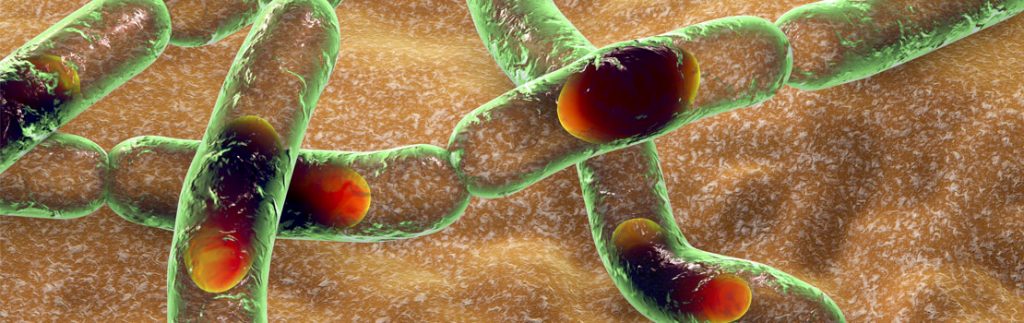
Glycogen is a sugar which plays important roles in carbon and energy storage in bacteria. Glycogen with a highly branched, compact structure offers a more durable energy source – a characteristic linked with bacterial environmental durability, such as the ability to survive in deep sea vents. Dr Liang Wang at the Institut Pasteur of Shanghai and Ms Qing-Hua Liu at […]
Read More… from How did bacterial glycogen branching enzymes evolve?
Leaf spots on the prairies
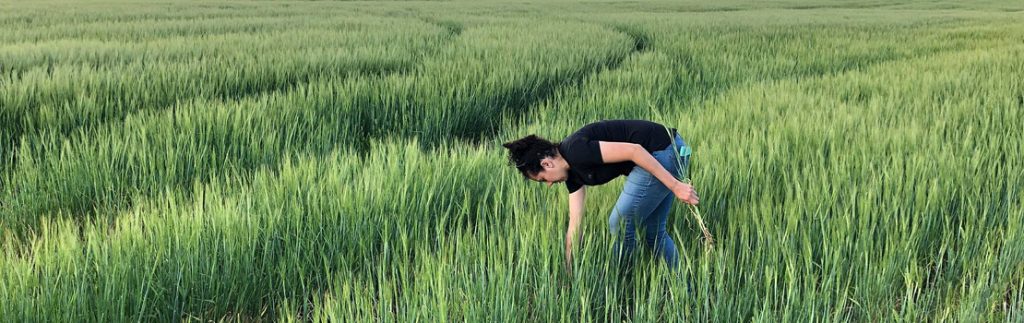
Plants face a large number of threats from their surroundings. When microbes such as fungi act as pathogens on plants, they can cause disease. Some fungal pathogens of wheat appear as symptoms of spots on the leaves. Two important fungal species are the tan spot pathogen and the septoria nodorum blotch pathogen. These fungi can infect the same plant and […]
Scalp microbiome gets to the root of dandruff

Dandruff is an extremely common cosmetic condition, but one that remains often difficult to treat. Research scientists Sally Grimshaw, Elaine Xu and Dr Barry Murphy, of Unilever R&D, have carried out a detailed genetic investigation of the scalp microbiome: the community of bacteria, fungi and other microorganisms that live on the scalp skin. Their findings suggest that both bacteria and […]
Read More… from Scalp microbiome gets to the root of dandruff