
Tag: Algae
Permafrost’s photosynthetic microorganisms thrive in the Arctic
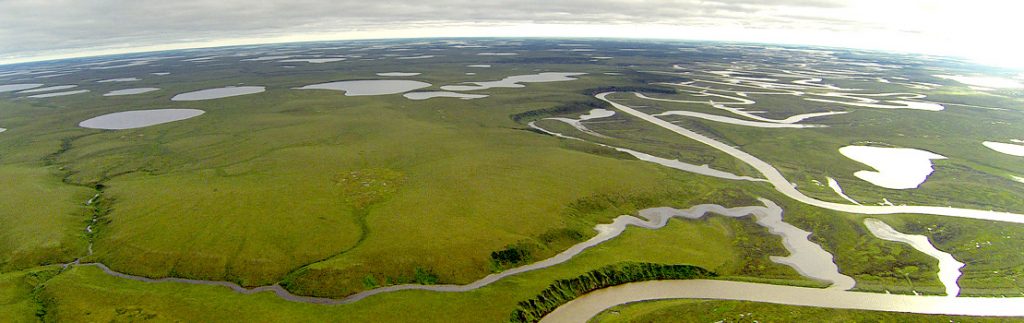
Permafrost is found across the Arctic and Antarctic – perennially frozen landscapes that can harbour microscopic life. Researchers Dr Tatiana Vishnivetskaya from the University of Tennessee, Knoxville, and Dr Elizaveta Rivkina from the Institute of Physicochemical and Biological Problems in Soil Science, Pushchino, have collected permafrost sediment samples from polar regions to study the photosynthetic microorganisms within. The results of […]
Read More… from Permafrost’s photosynthetic microorganisms thrive in the Arctic
Detecting microplastics on aquatic vegetation in the Great Lakes

It is well known that natural surface waters have become contaminated with microplastics. However, it is not yet understood how these pollutants impact aquatic organisms. Professor Julie Peller at Valparaiso University, Indiana, has investigated the distribution of microplastics in the North American Great Lakes and found that synthetic microfibres are, on average, a thousand times more abundant on aquatic vegetation […]
Read More… from Detecting microplastics on aquatic vegetation in the Great Lakes
A model of photosynthesis regulation by ion fluxes in conditions of variable light
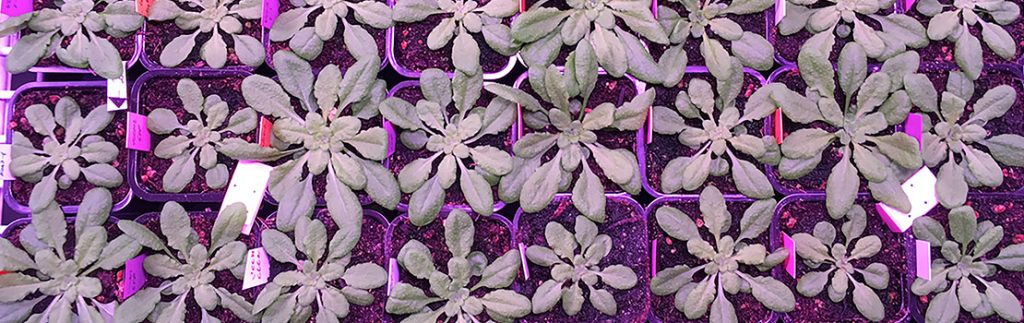
Prof Cornelia Spetea and her team at the University of Gothenburg, Sweden, study ion transport proteins and genes involved in the regulation of photosynthesis in conditions of abrupt changes in light intensity. Research on this topic is important because light fluctuations constantly occur in the natural environment and affect photosynthesis and growth. Their proposed model could act as a knowledge […]
Read More… from A model of photosynthesis regulation by ion fluxes in conditions of variable light
Harnessing photosynthetic organisms for a bio-fuelled future

Algae and cyanobacteria have evolved to produce a variety of complex chemicals from the simple inputs of light and carbon dioxide. We can engineer these organisms to produce carbon neutral biofuels and other valuable byproducts, but large scale growth and production is still a major challenge. Dr Nanette Boyle, Assistant Professor in Chemical and Biological Engineering at the Colorado School of […]
Read More… from Harnessing photosynthetic organisms for a bio-fuelled future