
Tag: photosynthesis
Do phytoplankton hold the key to the evolution of marine biodiversity?
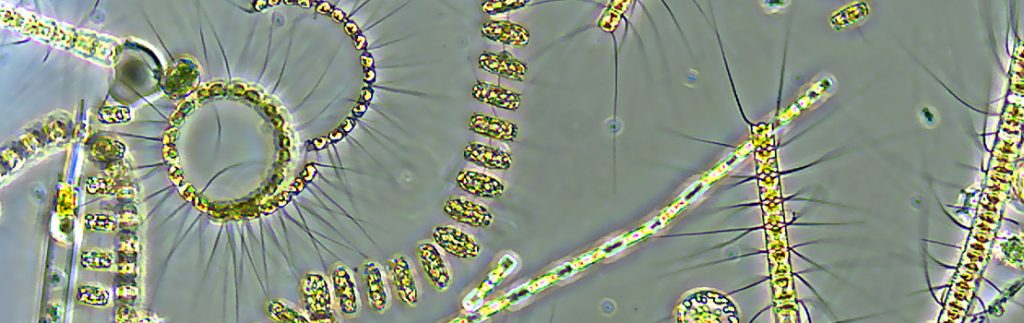
Life exploded in our oceans 250 million years ago, leading to the biodiversity that we see today. Before this point, however, the plant and animal life in our seas was considerably less diverse. Several theories have been proffered to explain this – often considering both habitat and climate changes – but very few studies have considered the role of phytoplankton. […]
Read More… from Do phytoplankton hold the key to the evolution of marine biodiversity?
Nutrient management strategies for sustainable mulberry plantations

Mulberry is a very important, economically multipurpose tree. One of its key uses is as a food source for mulberry silkworms that feast exclusively on its leaves. Therefore, finding ways to boost leaf yields/quality and growth of mulberry trees is of great interest to the silk production industry. Dr Songmei Shi and Professor Xinhua He, from Southwest University, China, have […]
Read More… from Nutrient management strategies for sustainable mulberry plantations
A model of photosynthesis regulation by ion fluxes in conditions of variable light
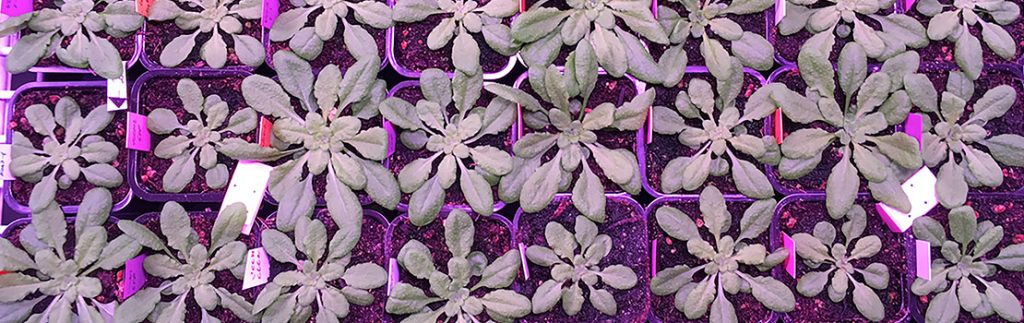
Prof Cornelia Spetea and her team at the University of Gothenburg, Sweden, study ion transport proteins and genes involved in the regulation of photosynthesis in conditions of abrupt changes in light intensity. Research on this topic is important because light fluctuations constantly occur in the natural environment and affect photosynthesis and growth. Their proposed model could act as a knowledge […]
Read More… from A model of photosynthesis regulation by ion fluxes in conditions of variable light
Harnessing photosynthetic organisms for a bio-fuelled future

Algae and cyanobacteria have evolved to produce a variety of complex chemicals from the simple inputs of light and carbon dioxide. We can engineer these organisms to produce carbon neutral biofuels and other valuable byproducts, but large scale growth and production is still a major challenge. Dr Nanette Boyle, Assistant Professor in Chemical and Biological Engineering at the Colorado School of […]
Read More… from Harnessing photosynthetic organisms for a bio-fuelled future
The power of light: Production of solar fuels

Harnessing the power of the sun as a source of energy is highly appealing for many reasons, but primarily because it is a renewable, clean source of energy. Plants are already incredibly proficient at not just converting light to useable energy but also at storing that energy in the form of glucose, which can be considered a solar fuel. Professor Michael […]
Read More… from The power of light: Production of solar fuels