
Tag: cyanobacteria
Permafrost’s photosynthetic microorganisms thrive in the Arctic
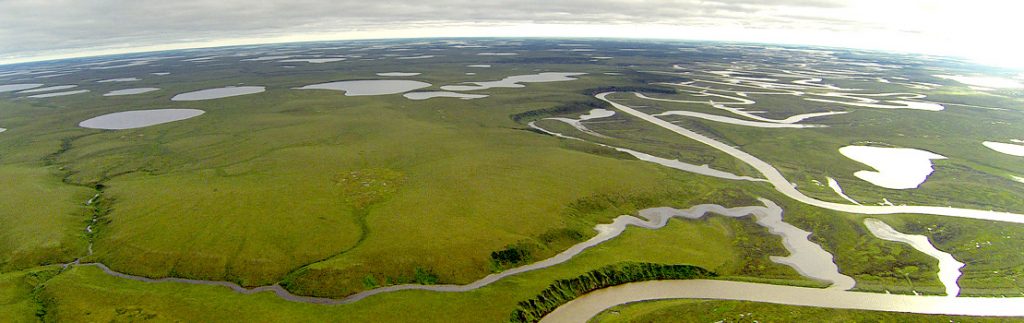
Permafrost is found across the Arctic and Antarctic – perennially frozen landscapes that can harbour microscopic life. Researchers Dr Tatiana Vishnivetskaya from the University of Tennessee, Knoxville, and Dr Elizaveta Rivkina from the Institute of Physicochemical and Biological Problems in Soil Science, Pushchino, have collected permafrost sediment samples from polar regions to study the photosynthetic microorganisms within. The results of […]
Read More… from Permafrost’s photosynthetic microorganisms thrive in the Arctic
Symbiotically competent cyanobacteria for the bio-sustainable cultivation of rice
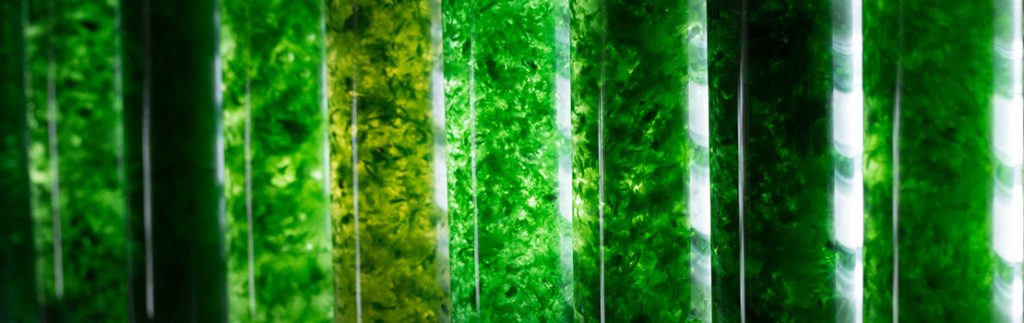
Every year, large amounts of nitrogen fertilisers are used around the world to sustain the cultivation of rice. The wetland culture conditions required for rice cause nitrogen to leach and contaminate freshwater, triggering a number of adverse consequences for aquatic habitats. Dr Consolación Álvarez and Dr Vicente Mariscal Romero, from the Spanish National Research Council (CSIC), Spain, propose the development […]
Read More… from Symbiotically competent cyanobacteria for the bio-sustainable cultivation of rice
Harnessing photosynthetic organisms for a bio-fuelled future

Algae and cyanobacteria have evolved to produce a variety of complex chemicals from the simple inputs of light and carbon dioxide. We can engineer these organisms to produce carbon neutral biofuels and other valuable byproducts, but large scale growth and production is still a major challenge. Dr Nanette Boyle, Assistant Professor in Chemical and Biological Engineering at the Colorado School of […]
Read More… from Harnessing photosynthetic organisms for a bio-fuelled future
Energising life on earth: the third way
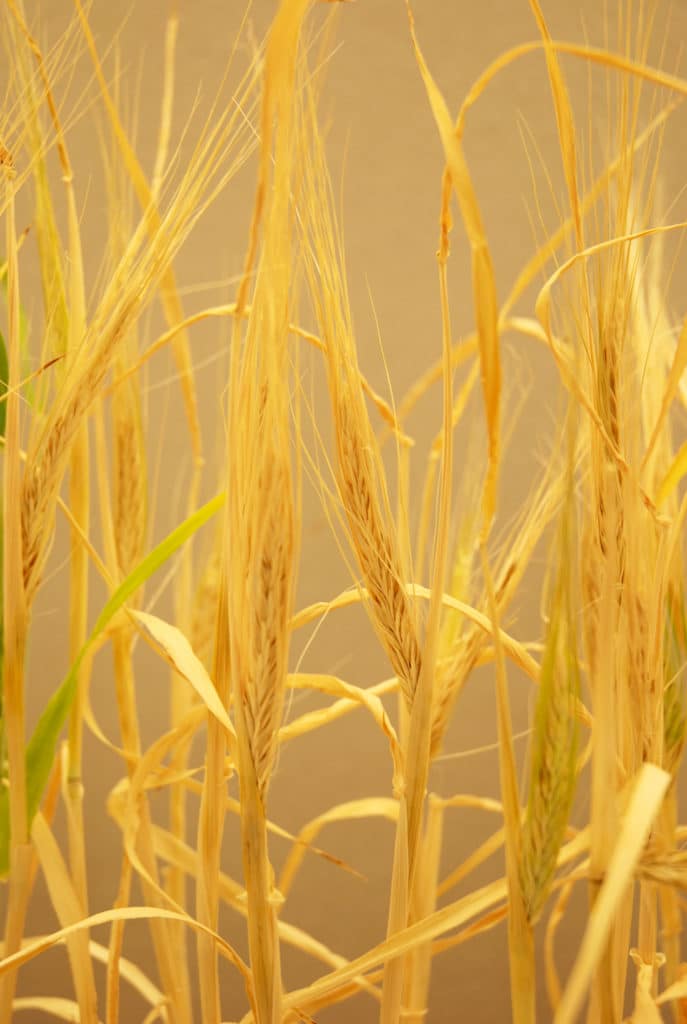
Almost all living organisms on earth get their energy, ultimately, from the sun. Energy is fixed in carbohydrates by plants and cyanobacteria during photosynthesis, then both animals and plants release it by breaking down those carbohydrates. Until now, only two main routes of carbohydrate breakdown were thought to be present in cyanobacteria and plants. However, Dr Kirstin Gutekunst, of Christian-Albrechts-University […]