
Tag: atomic force microscopy
Cell mechanics – from bench to bedside

All cells generate and respond to mechanical forces. The role of mechanical forces in cell biology has been understudied, but the forces are essential components of our physiology in health and disease. For example, they are involved in pathologies such as cardiac arrhythmias, muscular dystrophy and metastatic cancer. Dr Frederick Sachs from the University at Buffalo, New York, focuses on […]
Cellulose nanodefects: The key to biofuels and biomaterials of the future
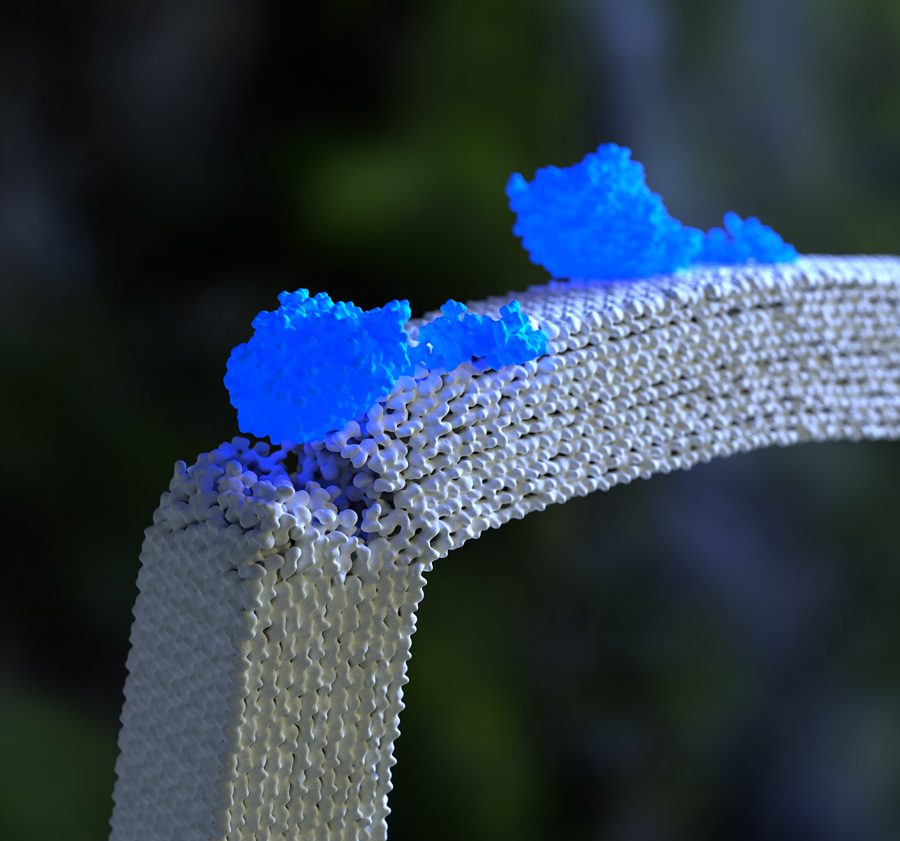
Cellulose is a renewable polymer that can be used to produce biofuels and other bio-based materials. However, the potential of cellulose to displace petroleum-derived products had been limited by incomplete knowledge of its nanoscale characteristics. Recent research by Dr Peter Ciesielski and Dr Michael Crowley, both from the National Renewable Energy Laboratory, has advanced our understanding of nanoscale defects that […]
Read More… from Cellulose nanodefects: The key to biofuels and biomaterials of the future