
Tag: fibre
Pure and sound: Isolating the finest RNA from jute

Jute is an important crop grown for human usage of its fibres in everyday materials. There has been an increasing interest to study the behaviour of this crop in the field, to maximise its yield. Detailed studies of this plant at the molecular level involves several techniques that require isolation of cellular material such as nucleic acids (DNA and RNA) […]
Read More… from Pure and sound: Isolating the finest RNA from jute
Transcription factors regulate stress resistance in jute
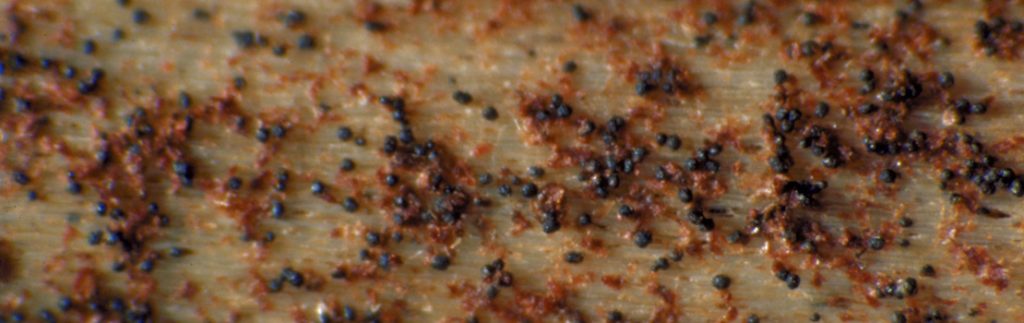
Dark jute is an increasingly valued bast fibre-yielding plant with a diversity of uses. However, there is a need for varieties that can tolerate challenging environmental conditions. Scientists of Basic and Applied Research on Jute Project at the Bangladesh Jute Research Institute used molecular genetics methods to study the role of the transcription factor superfamily AP2/ERF in the adaptation of […]
Read More… from Transcription factors regulate stress resistance in jute
Decoding fibre secrets of two jute species

Jute is a type of bast fibre plant, of which there are more than hundred species. Jute is used as an affordable natural fibre source for many human purposes. There are only two commercially cultivated species, which have unique fibre characteristics, but they cannot be cross-bred. To gain insight into specific traits of these two species, Basic and Applied Research […]
Textile-embedded microcapsules: The future of drug delivery
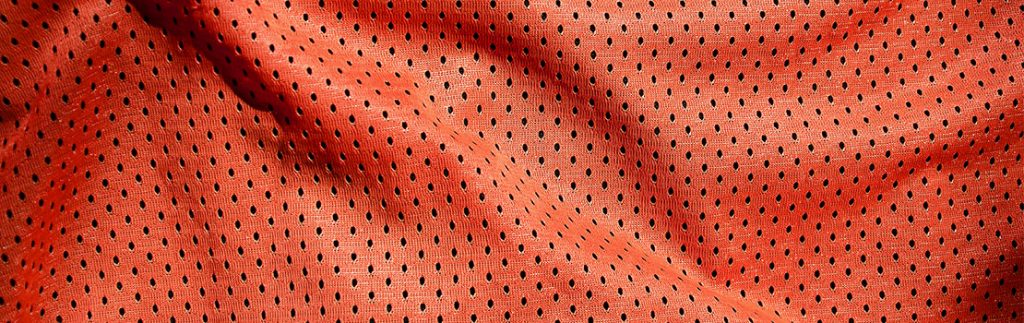
Research on textiles has come a long way, with numerous examples of textiles having bifunctional characteristics. Advancements in the area show the incorporation of microcapsules on textiles, containing active principles with antimicrobial, cosmetic, or even drug characteristics. Prof Manuel Jose Lis Arias, at the Terrassa Institute of Textile Research and Industrial Cooperation of the Polytechnic University of Catalonia, has been […]
Read More… from Textile-embedded microcapsules: The future of drug delivery
Cellulose nanodefects: The key to biofuels and biomaterials of the future
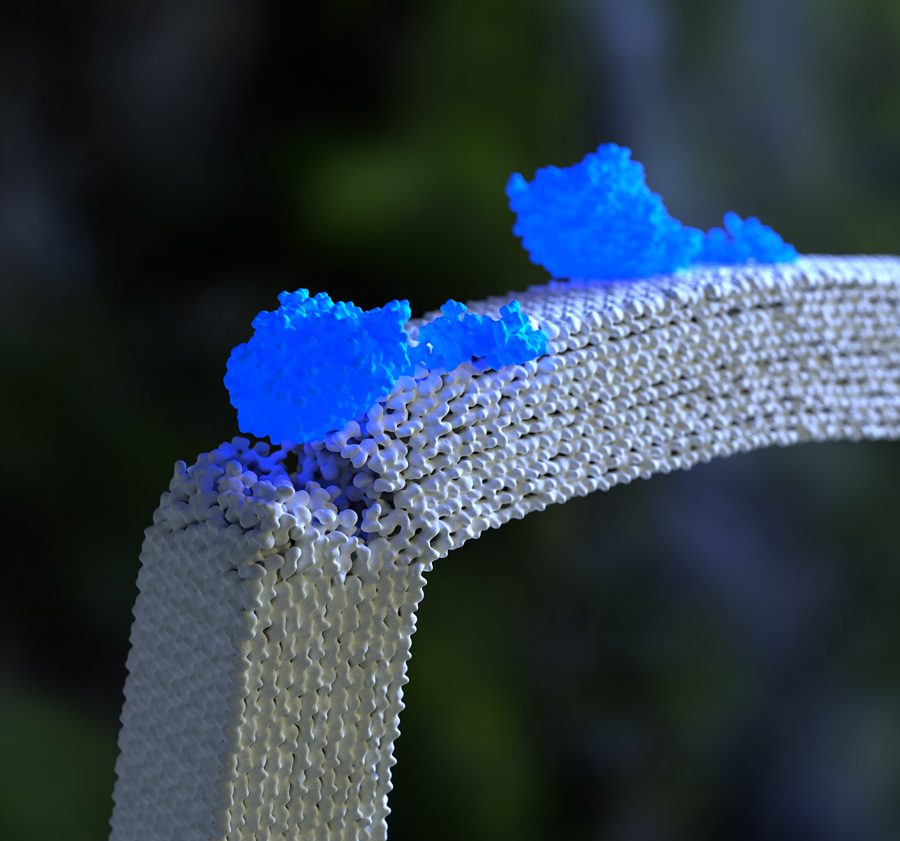
Cellulose is a renewable polymer that can be used to produce biofuels and other bio-based materials. However, the potential of cellulose to displace petroleum-derived products had been limited by incomplete knowledge of its nanoscale characteristics. Recent research by Dr Peter Ciesielski and Dr Michael Crowley, both from the National Renewable Energy Laboratory, has advanced our understanding of nanoscale defects that […]
Read More… from Cellulose nanodefects: The key to biofuels and biomaterials of the future