
Tag: plants
Phytocleaning our planet

Life on Earth has multiple forms. Humans make up only 0.01% of Earth’s total biomass, while plants total a whopping 82.4%. Yet the value of plants is often neglected. Humans have thrived on this planet because of the other life that Earth protects. Advances in human civilisation, such as industrialisation, have polluted the planet, thereby affecting all living organisms. Efforts […]
Vignette on a vital vitamin for vegans
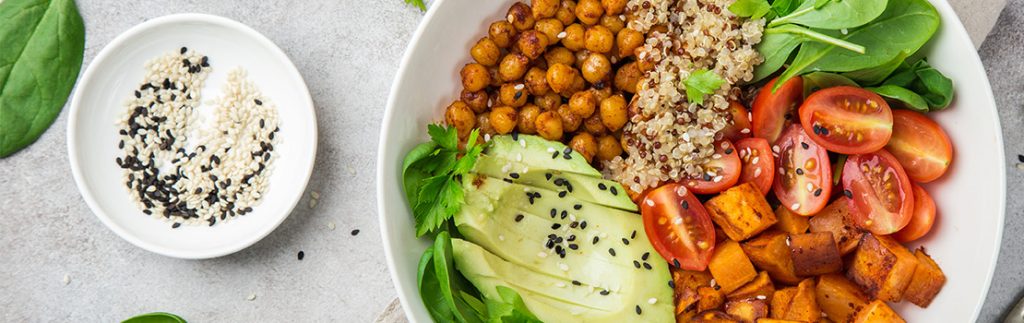
Vitamins are organic (carbon- and hydrogen-based) molecules that are essential nutrients for humans. There are 13 different vitamins, of which the B vitamin group has eight, and they all function as co-factors (non-protein components) for various cellular enzymes. Vitamin B12 is a unique molecule that is not made in animals or plants, but it is vital for cell metabolism and […]
The ultimate veg patch: Can phytotechnology save cultivated peatlands?
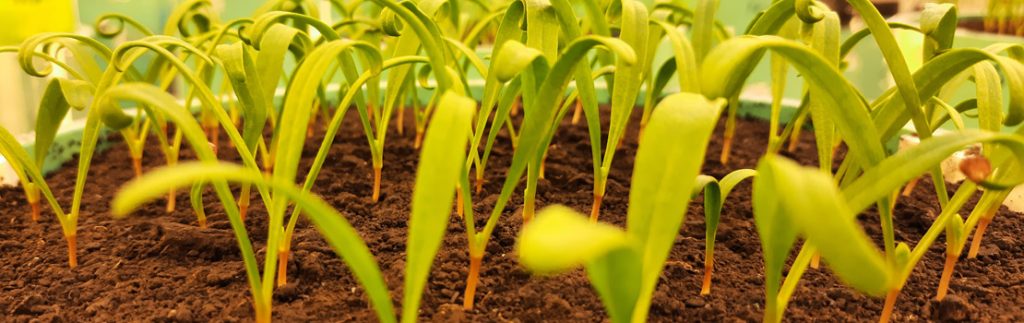
Intact, water-logged peatlands are a stable store of the world’s carbon, but if drained they can become near perfect (organic) soils for growing high-cost vegetables. It was thought that you couldn’t cultivate a peatland without ruining it and releasing its carbon into the atmosphere. Dr Jacynthe Dessureault-Rompré, with her team at Laval University in Québec, Canada, has been investigating whether […]
Read More… from The ultimate veg patch: Can phytotechnology save cultivated peatlands?
Decoding fibre secrets of two jute species

Jute is a type of bast fibre plant, of which there are more than hundred species. Jute is used as an affordable natural fibre source for many human purposes. There are only two commercially cultivated species, which have unique fibre characteristics, but they cannot be cross-bred. To gain insight into specific traits of these two species, Basic and Applied Research […]
Subcellular dissection of plant immunity towards bacteria
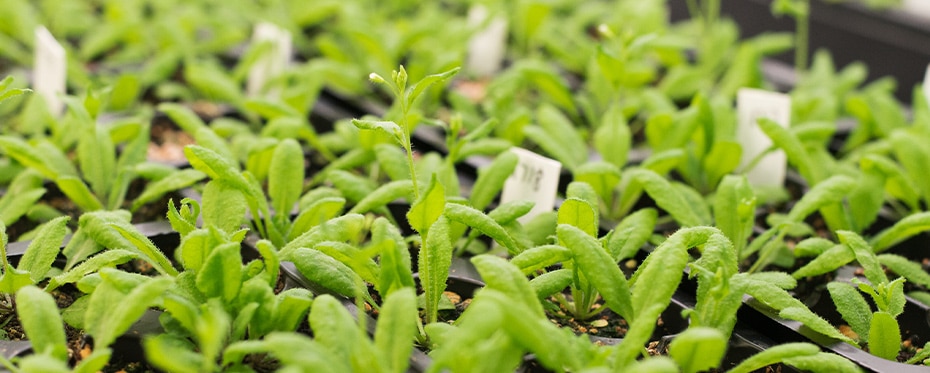
In the plant kingdom, disease is an exception rather than a rule. That is because plants have an immune system. A plants’ immune system consists of several signalling pathways that act together to counteract microbial pathogens. However, there is not enough known about the subcellular pathways that allow proteins to move within and out of the plant cell and ward […]
Read More… from Subcellular dissection of plant immunity towards bacteria
Understanding plant thermoregulation in the face of climate change

Plants possess the fascinating ability to control their body temperature. This physiological process is fundamental for the growth, reproduction, and survival of numerous species of plants. In the face of climate change, as temperatures increase and rainfall patterns become more variable, understanding the capability of plants to adapt to changing conditions is becoming critical. Prof Peter Kevan and colleagues at […]
Read More… from Understanding plant thermoregulation in the face of climate change
Experimental and computational studies of plant ion channels

The yields and nutritional profiles of crops are affected by their intake of nutrients. To understand how plant ion channels uptake and regulate sodium and potassium, Dr Janin Riedelsberger at the Center for Bioinformatics, Simulation and Modeling (CBSM), University of Talca and her collaborators combine computational and experimental approaches. The computational methods are used to model the channel protein’s molecular […]
Read More… from Experimental and computational studies of plant ion channels