
Tag: UK
Digital Science: A more collaborative approach to research
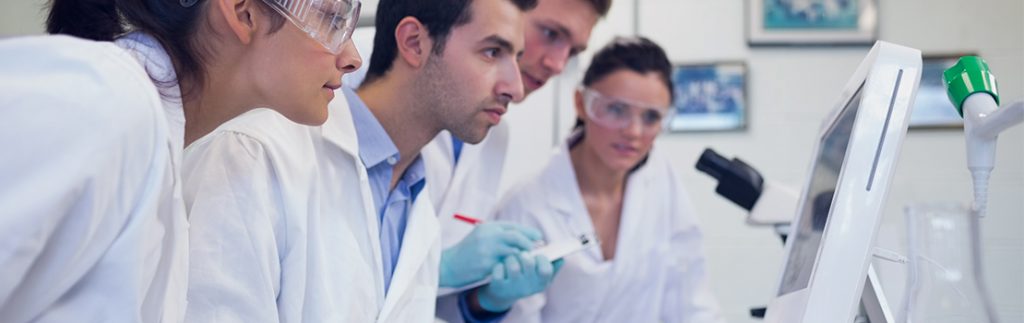
Digital Science is a company that looks to improve old research practices with new tools and technologies. CEO Daniel Hook believes that investing in, supporting and promoting businesses and innovations that make the research process more open and efficient is the key to enabling researchers to make a real difference. Is it possible that in the future we might see […]
Read More… from Digital Science: A more collaborative approach to research
Accents of the Caribbean: How vowel pronunciations pivot, shift and merge

Prof James Walker of the Department of Languages and Linguistics at La Trobe University in Melbourne, Australia, is a sociolinguistic expert who has conducted extensive research on the English language in various parts of the world, including North America and the Caribbean. Together with Prof Miriam Meyerhoff at the University of Oxford, UK, their research focuses on different vowel pronunciations […]
Read More… from Accents of the Caribbean: How vowel pronunciations pivot, shift and merge
Is wood ash a silent killer in sub-Saharan Africa?

Traditional cookstoves fuelled by locally sourced wood are found in homes across sub-Saharan Africa. Some 70% of the population use traditional cookstoves to burn wood, and as a result produce 19 megatonnes of ash every year across the region. The ash is generally dumped nearby or scattered on farmland, but what exactly is in the ash? Quantifying the amounts of heavy […]
Read More… from Is wood ash a silent killer in sub-Saharan Africa?
Genuinely theoretical: The case for Philosophical Biology
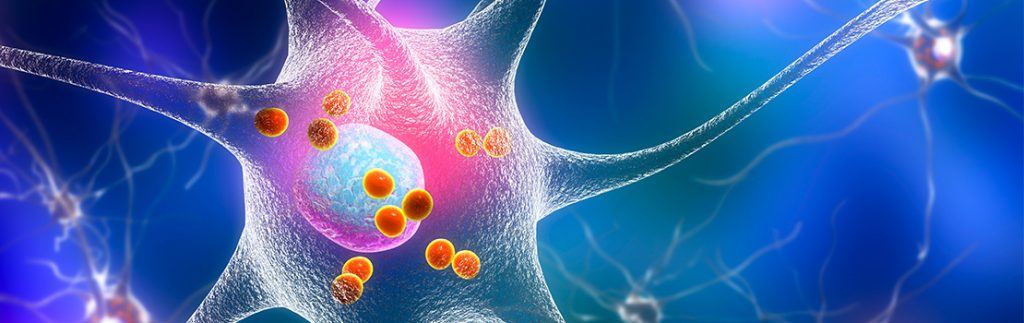
Though his background is in biomedicine, Dr Sepehr Ehsani is currently completing his PhD in philosophy at University College London. In his time working in the lab, Dr Ehsani became more aware of the often-neglected importance of theory. What is sometimes called theoretical biology is not usually ‘theory’ for the most part, in the sense that it is not truly […]
Read More… from Genuinely theoretical: The case for Philosophical Biology
NHS quality improvement could be driven by less formal regulation

In 2019 NHS Improvement and NHS England merged, becoming one major organisation responsible for regulating and improving the NHS system in England. But how best to do this, and improve quality of care and patient safety without increasing costs, is under debate. A comprehensive evaluation of a five year partnership between the English NHS and Virginia Mason Institute in the […]
Read More… from NHS quality improvement could be driven by less formal regulation
Fermentation: Enhancing favourable health properties of cod liver oils

There are three competing ways to get cod liver oil from cod: you can heat the cod liver, you can extract it using chemical refining, or you can ferment it. Most commercial cod liver oils are extracted using one of the first two, but manufacturers of fermented cod liver oils claim that their product contains more antioxidants, meaning the fatty […]
Read More… from Fermentation: Enhancing favourable health properties of cod liver oils
FLASH radiotherapy: What, how and why?

Ultra-high dose rate (FLASH) radiotherapy is a new way of treating tumours caused by cancer. Higher doses of radiotherapy are associated with trauma to the healthy tissue surrounding the tumour, whereas FLASH radiotherapy demonstrates a sparing effect of the healthy tissues without compromising the anti-tumour action. Dr Kristoffer Petersson at the Oxford Institute for Radiation Oncology, University of Oxford, along […]
Storytelling across social divides

Dr Joanna Wheeler’s research has been conducted through her role as a Marie Curie Research Fellow at the Centre for Trust, Peace and Social Relations at Coventry University. Her interests lie in increasing inclusion among marginalised groups. To do this, she explores storytelling and other creative methods to bridge social divides. Most importantly, Dr Wheeler advocates for intersectional participatory action […]
Careful catalysis converts CO2 emissions into useful chemicals

‘Reduce carbon dioxide emissions by reducing carbon dioxide’: at first glance, this doesn’t seem particularly insightful, but it’s the basis of research recently produced by Samuel Perry at the University of Southampton. Using the carbon dioxide reduction reaction, an electrochemical process with multiple possible products, Perry and his collaborators are working towards an electrode design that can selectively convert CO2 […]
Read More… from Careful catalysis converts CO2 emissions into useful chemicals
Overcoming resistance to cancer immunotherapy
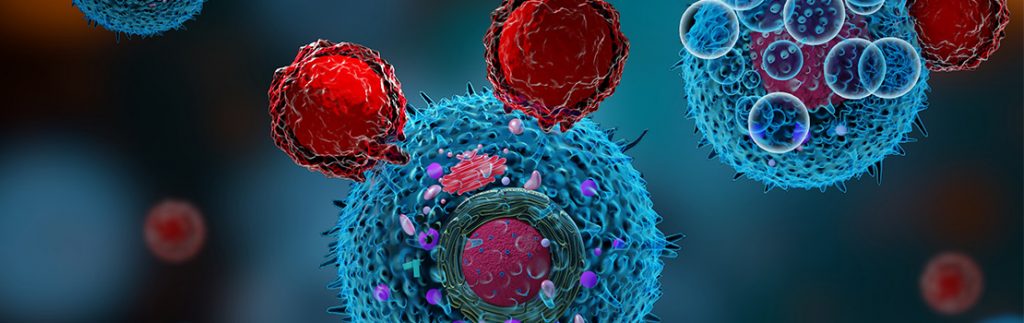
Immunotherapy, which uses the body’s own immune system to fight cancer, is a great step forward in cancer treatment. Unfortunately, however, it is currently ineffective in most patients. This resistance can be caused by a type of cell called a cancer-associated fibroblast, which builds protective defences around tumours. In a recent study, Professor Gareth Thomas and his team at the […]
Read More… from Overcoming resistance to cancer immunotherapy