
Tag: Germany
Social Robots – a New Perspective in Healthcare

Some social robots are assistants helping with tasks such as lifting, while others take on companion roles and simulate emotions. Dr Oliver Korn, Professor for Human Computer Interaction and Director of the Affective & Cognitive Institute at Offenburg University in Germany, discusses whether social robots should be able to replicate human emotions and explores ethical challenges arising from it. He […]
Read More… from Social Robots – a New Perspective in Healthcare
The role of CD83: Autoimmunity, transplantation and beyond
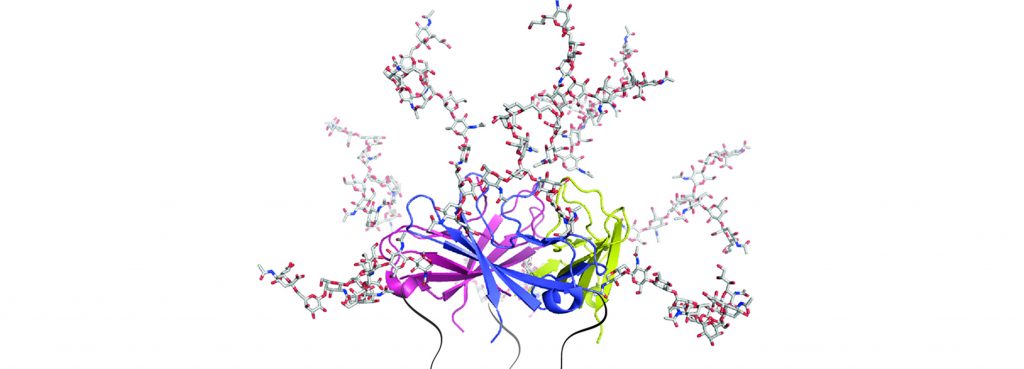
Professor Alexander Steinkasserer is based at the Department of Immune Modulation, University Hospital, Erlangen. His research interests are focused on the immune system, with the long-term aim to develop new therapeutic strategies for patients suffering from autoimmune disorders or in need of transplantation. Along with his colleagues at the department of Immune Modulation, Professor Steinkasserer has shed much light on […]
Read More… from The role of CD83: Autoimmunity, transplantation and beyond
How context influences language processing and comprehension

Words, words, words. They’re all around us, on toothpaste tubes, cell phones, cereal packets and television screens – and that’s before we leave the house! We read thousands of words every day and take our human ability to use language very much for granted. Yet language comprehension is a highly sophisticated process. Aided by technologies which track eye movement and […]
Read More… from How context influences language processing and comprehension
The future of product creation is open and community-based

Professor Roland Jochem from the Technische Universität Berlin is coordinating the European research and innovation project OPENNEXT, a project that is enabling small and medium sized enterprises (SMEs) across Europe to engage in communities with consumers and makers, in order to fundamentally change how products are designed, produced, and distributed. Product creation is inaccessible to most people, but open source […]
Read More… from The future of product creation is open and community-based
Breaking down the fort: Combatting clinical biofilms

Treating bacterial infections can be challenging, even more so when they build a fort. These forts, or ‘biofilms’, form on living and non-living surfaces, such as heart valves, and protect bacteria from immune responses and antibiotics. This can lead to serious, chronic conditions, for instance an infection of the heart’s lining (endocarditis), relapsing infections and increased mortality. To help combat […]
Read More… from Breaking down the fort: Combatting clinical biofilms
How Industry 4.0 affects SMEs in Germany and China
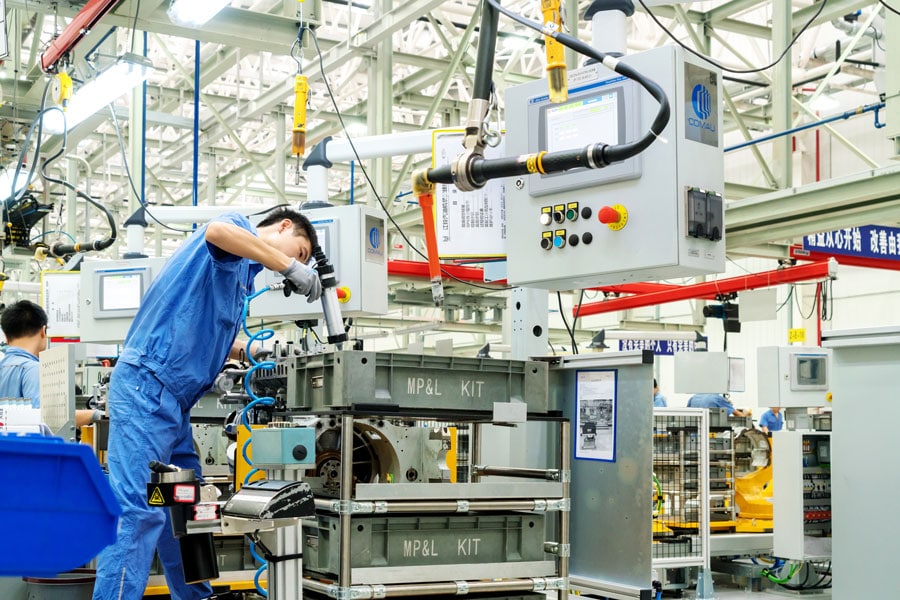
The world has experienced three industrial revolutions in 250 years. Each has radically changed both manufacturing processes and our working and daily lives. Now we are on the threshold of a fourth, the digitally enabled and interconnected “Industry 4.0” whose impact could be even greater still. Professor Dr Julian Müller, from the Salzburg University of Applied Sciences in Austria, studied small […]
Read More… from How Industry 4.0 affects SMEs in Germany and China
Energising life on earth: the third way
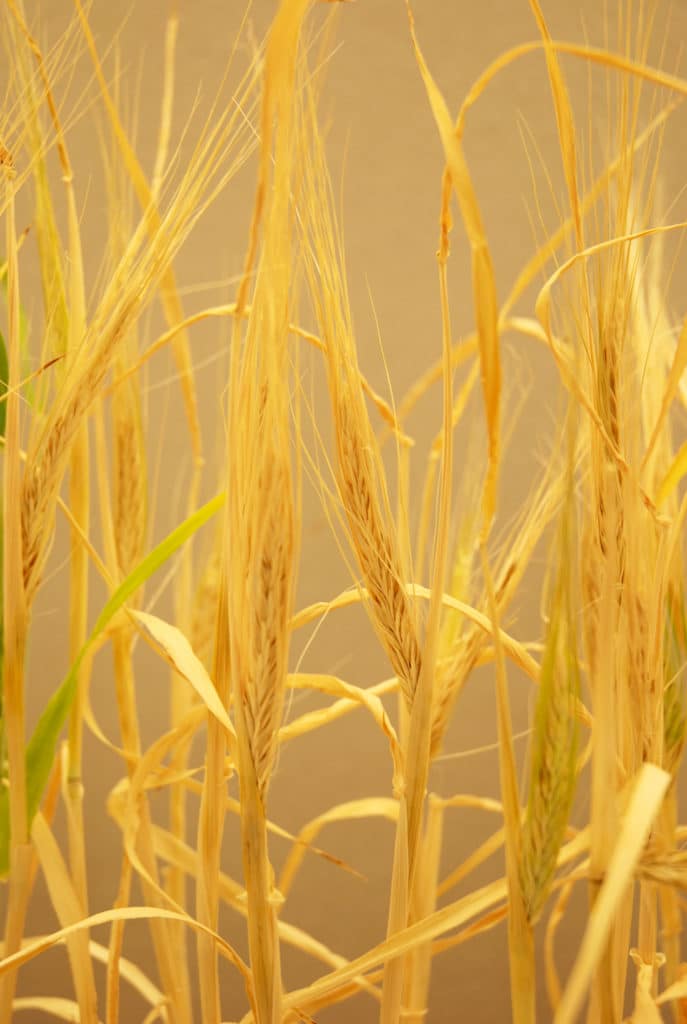
Almost all living organisms on earth get their energy, ultimately, from the sun. Energy is fixed in carbohydrates by plants and cyanobacteria during photosynthesis, then both animals and plants release it by breaking down those carbohydrates. Until now, only two main routes of carbohydrate breakdown were thought to be present in cyanobacteria and plants. However, Dr Kirstin Gutekunst, of Christian-Albrechts-University […]