
Tag: Germany
Research Campus ARENA2036: The innovation platform for mobility and production of the future
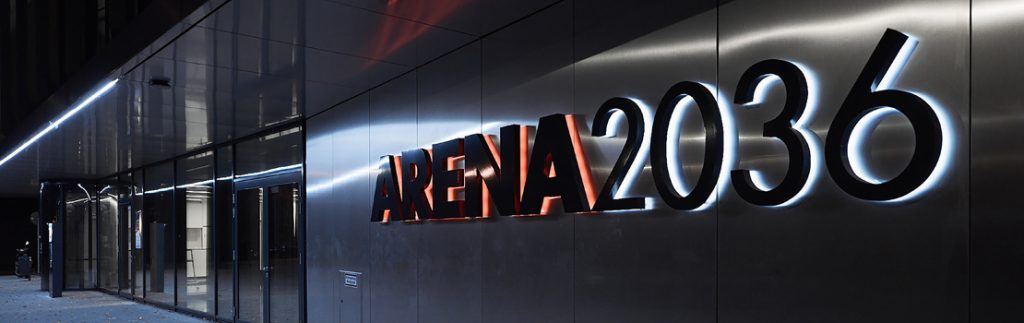
The Research Campus ARENA2036 is a novel co-creative innovation environment. The proximity of researchers and developers from more than 50 partners within the 10,000m2 research factory enables higher speeds on the way from idea, to project, to transfer. Dr Clemens Ackermann, research coordinator at ARENA2036, explains that the goal of the Research Campus ARENA2036 is – based on excellent, interdisciplinary […]
Metrology for the Factory of the Future

Metrology for the Factory of the Future (Met4FoF) is a joint research project that brings together researchers from leading national metrology institutes and universities in Europe. This project establishes a metrological framework and combines metrology and modern digital technologies to encompass the lifecycle of measured data in industrial applications. The researchers demonstrate the practical applicability of the framework with its […]
Towards in-line detection of thermal polymer degradation
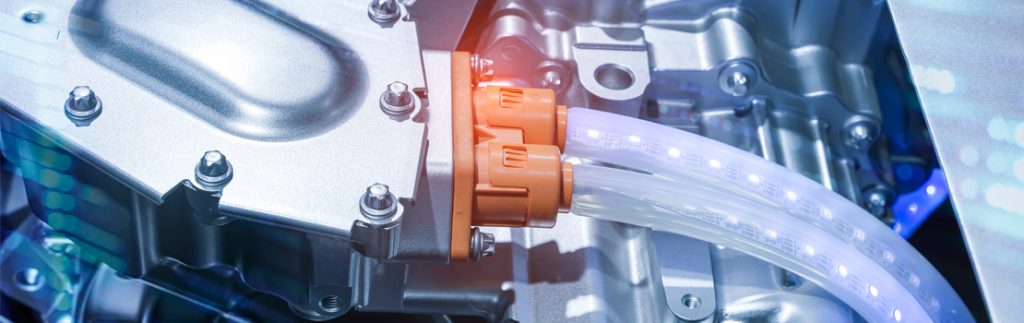
Polymers are an indispensable part of modern society, found in almost every product we use, including machine and engine components. But polymers degrade, and they need close monitoring to make sure this doesn’t cause structural materials or devices to fail. We already have many ways to assess polymer degradation in the lab, but monitoring polymers while they’re in use is […]
Read More… from Towards in-line detection of thermal polymer degradation
Dear Mr Hume, your circle might actually be a spiral

Induction is typically understood as a process of deriving principles or laws from particular or individual instances. The Empiricist David Hume argued that such generalisations about the world cannot be justified using deduction (a logic-based method of reasoning), and that induction is in fact worthless, circular reasoning. However, Professor Uwe Saint-Mont of Nordhausen University of Applied Sciences in Germany argues […]
Read More… from Dear Mr Hume, your circle might actually be a spiral
‘Pool and split’ high-throughput experimentation: Turning complex designs into simple assays

High-throughput experimentation (HTE) protocols enable scientists to perform multiple experiments and test multiple hypotheses, in parallel and with minimal consumption of resources and materials. Dr Marco Santagostino from the Chemical Process Development Department at Boehringer Ingelheim Pharma, Germany and his collaborators Philipp Kollmus and Raphael Steimbach devised a new protocol that greatly reduces the number of experiments needed in HTE. […]
Preserving biodiverse river corridors for sustainable city development

As the global population continues to soar and the number of inhabitants in cities climbs ever higher, sustainable development strategies are urgently needed to prevent catastrophic ecological decline in our urban environments. Understanding anthropogenic threats is the first step towards conservation: Jochen Hack, Professor of Ecological Engineering at the University of Darmstadt in Germany and leader of the interdisciplinary research […]
Read More… from Preserving biodiverse river corridors for sustainable city development
High entropy to power a high energy world
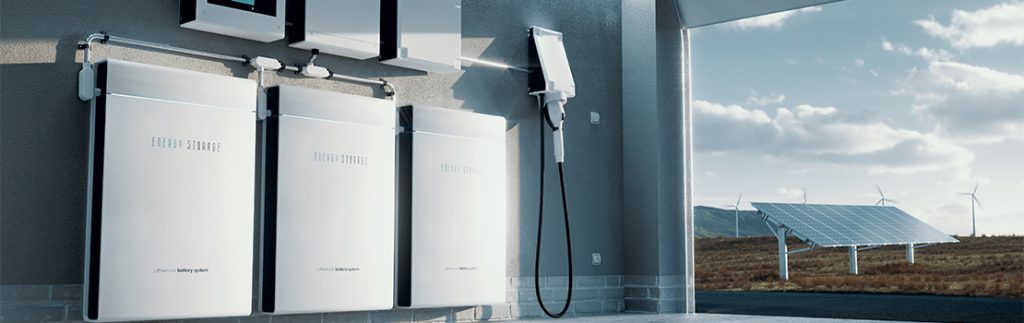
Scientists are continuously searching for new materials whose properties may solve the toughest challenges of our heavily technological society. To tackle the need for longer-lasting energy storage, for example, Dr Ben Breitung, Dr Torsten Brezesinski and their teams at the Karlsruhe Institute of Technology (KIT) are developing high-entropy materials by diversifying the composition of crystal structures. The properties of these […]
Do we feel free when we make hard decisions? A psychological perspective on feelings of freedom in decision-making

Dr Stephan Lau, a Junior Professor at the Federal University of Applied Administrative Sciences in Berlin, is one of the first researchers to investigate experiences of freedom from a psychological perspective. Over the past decade, Dr Lau and his colleagues have conducted much research using a wide array of novel techniques to explore different factors which influence our experiences of […]
Timely insulin therapy to treat type 2 diabetes
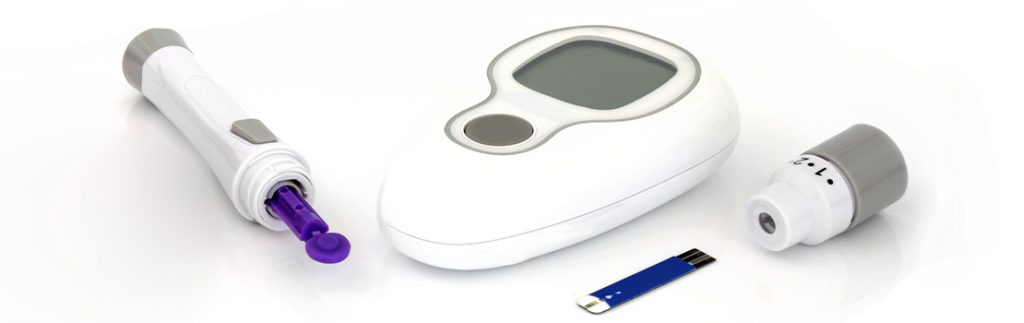
Diabetes is a tricky condition to treat. While insulin can efficiently lower blood sugar levels and protect pancreatic ꞵ-cells, it can also cause harmful side effects such as hypoglycaemia and weight gain. Severe hypoglycaemia may trigger arrhythmias and cardiovascular events. Professor Markolf Hanefeld suggests that an individualised approach to start timely insulin therapy on the basis of risk/benefit balance is […]
Read More… from Timely insulin therapy to treat type 2 diabetes
Real-time societies: Maintaining control in the digital world

The rapid growth of digitisation is disrupting society profoundly. To secure a worthwhile future, we need to explore new approaches to govern complex socio-technical systems. Professor Johannes Weyer and his research team at Technische Universität Dortmund in Germany have developed SimCo, a simulation framework to investigate the dynamics of socio-technical systems like transportation or energy supply. This research examines how […]
Read More… from Real-time societies: Maintaining control in the digital world