
Tag: US
How can diet influence women’s reproductive health?

The majority of clinical trials focus on male participants. Dr Dequina Nicholas, Assistant Professor at the University of California Irvine in the US, argues that there is an urgent need to focus more on women’s health, especially fertility-related complications. She is exploring the impact of what we eat on metabolism, inflammation, and reproduction, expanding the possibility that dietary manipulation can […]
Read More… from How can diet influence women’s reproductive health?
Do phytoplankton hold the key to the evolution of marine biodiversity?
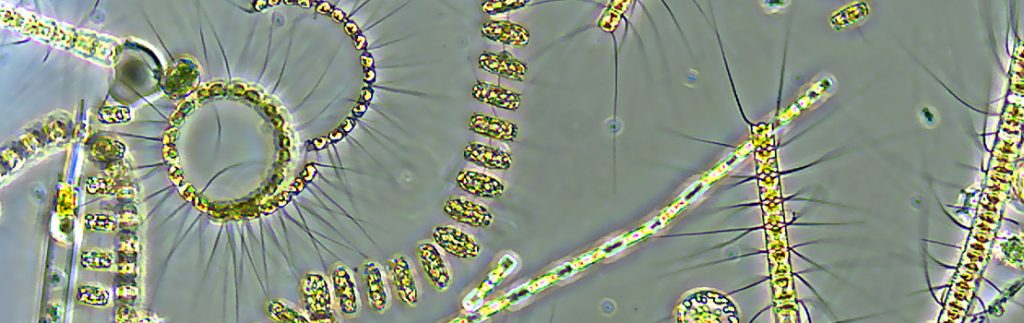
Life exploded in our oceans 250 million years ago, leading to the biodiversity that we see today. Before this point, however, the plant and animal life in our seas was considerably less diverse. Several theories have been proffered to explain this – often considering both habitat and climate changes – but very few studies have considered the role of phytoplankton. […]
Read More… from Do phytoplankton hold the key to the evolution of marine biodiversity?
START – addressing underrepresentation in STEM careers

When US neuroscientist Dr Luke H Bradley at the University of Kentucky helped design a STEM education programme for underrepresented students, his bold approach of interdisciplinary collaborations, near-peer mentoring, and teacher coaching promised to reshape a culture of negative reinforcement. The START Program embraces authentic research and training through direct contact between underrepresented students and teachers and a network of […]
Read More… from START – addressing underrepresentation in STEM careers
Overturning oppression in the US child welfare system

In the US there’s a growing call from academics and advocates with significant experience in the country’s child welfare system for fundamental reform. Professors Lisa Merkel-Holguin and Ida Drury, colleagues from the Kempe Center for the Prevention and Treatment of Child Abuse and Neglect at the University of Colorado, and a national advocate, have catalogued multiple stages within the current […]
Read More… from Overturning oppression in the US child welfare system
Improving the effectiveness of an anticancer fluoropyrimidine by molecular hybridisation

Capecitabine (Cape) – a fluoropyrimidine used primarily in the treatment of breast and colorectal cancer – disrupts the synthesis of DNA in cancer cells following its conversion to 5-fluorouracil (FU). Since FU has been associated with several potentially fatal side effects, Dr Thomas I. Kalman at the University at Buffalo and The State University of New York has developed a […]
Labour force projections: Egypt anticipates a resumption of demographic pressures

Egyptian youths born into the ‘echo generation’ of 2006–2014 are not yet of working age, but when they do enter the labour market there will be a vast increase in the supply of workers. Professor Ragui Assaad, of the Humphrey School of Public Affairs at the University of Minnesota in the US, has been estimating the effects of this increase. […]
Read More… from Labour force projections: Egypt anticipates a resumption of demographic pressures
Building a psychological toolbox: Actively using neuroplastic methods to develop lasting inner strengths

Social-emotional learning (SEL) makes use of the brain’s neuroplasticity to convert passing experiences into durable psychological resources embedded in altered neural structure or function. But most SEL is passive and inefficient, with limited gains for many people, in part due to the brain’s ingrained negativity bias. Dr Rick Hanson is a leading clinician in the field of emotional intelligence. He […]
Bolstering brawn with the brain
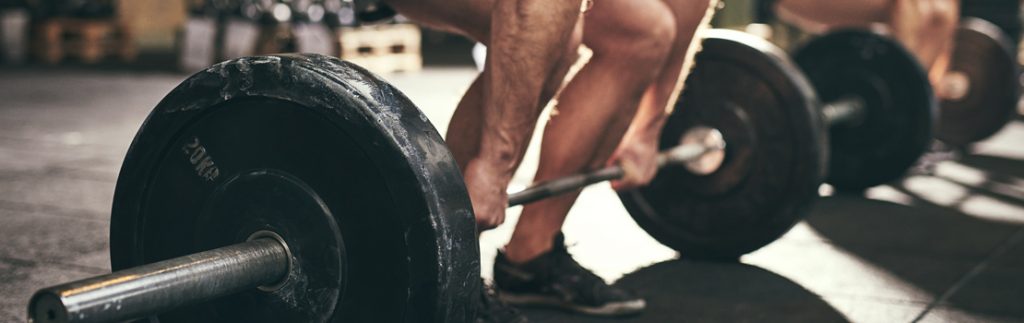
Nervous system and muscle adaptations cause strength gains during resistance training. Nervous system adaptations primarily cause the gains during the first few weeks, while muscle adaptations primarily cause gains over the longer term. There remains a gap in the research regarding the effect of chronic resistance training on the nervous system, however, due to challenges involved in collecting data over […]
Science education, new materialism, natural disaster, and the Anthropocene

Science education must adapt to new ways of thinking about how humans interact with the material world. That is the view of Catherine Milne, professor of science education at New York University in the US. In a new book, Dr Milne and co-authors argue that identification of the current human-centric ‘Anthropocene’ geological epoch, together with the many natural disasters the […]
Read More… from Science education, new materialism, natural disaster, and the Anthropocene
Positive adult relationships reduce adolescent suicide risk

One in ten adolescents in the US attempt to end their lives each year, leading to tragedy for these individuals and those around them. Lynne Fullerton, Associate Professor at the University of New Mexico Health Sciences Center, and her research collaborators, have invested years studying the factors which predispose adolescents towards suicide. This research provides clear indicators of important points […]
Read More… from Positive adult relationships reduce adolescent suicide risk