
Tag: Type 2 diabetes
Proteins behaving badly: The role of hIAPP in type 2 diabetes

A global issue There are over 400 million people worldwide currently living with diabetes, and 1.5 million of those people will die as a result of the disease. The vast majority of people living with diabetes (over 90%) have type 2 diabetes. Globally, over 800 billion US dollars is spent annually on treating diabetes, mainly on diabetes-related complications. Cases of […]
Read More… from Proteins behaving badly: The role of hIAPP in type 2 diabetes
Neuromodulation – the future of diabetes treatments
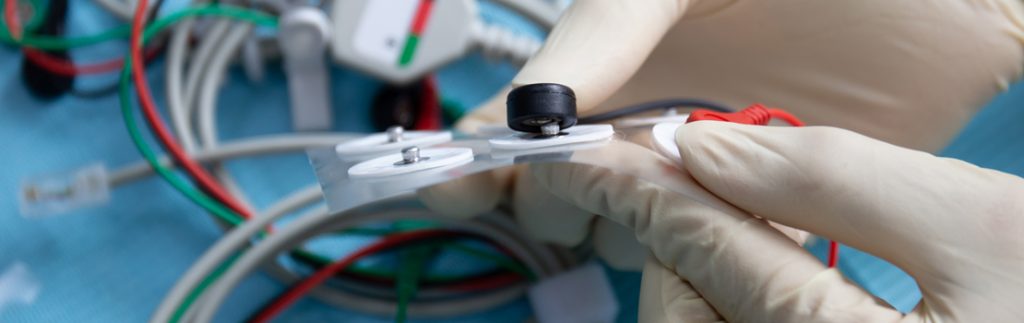
The treatments for type 2 diabetes are limited in breadth and effectiveness. Medications have side effects, and many patients forget to take their medications regularly. An alternative treatment option that does not require daily compliance could provide better outcomes and is more likely to be used by patients. Dr Jonathan Waataja of ReShape Lifesciences in California, USA and colleagues have […]
Read More… from Neuromodulation – the future of diabetes treatments
Metabolic dysfunction: The liver and beyond
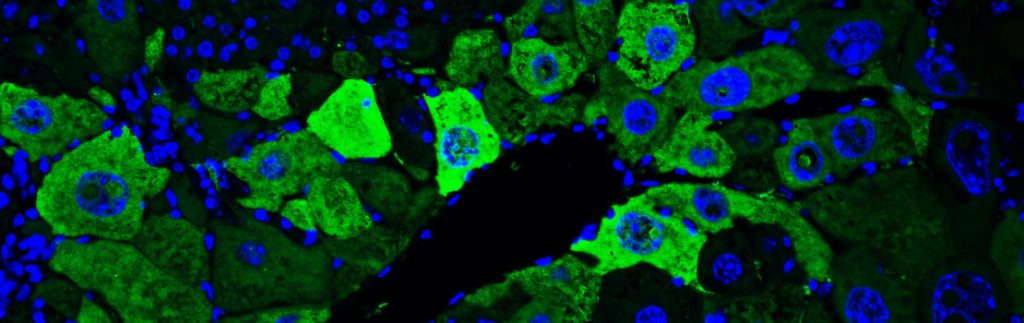
The liver is the centre of our metabolism, with metabolic dysfunction playing a pivotal role in liver diseases and type 2 diabetes. Despite extensive study, the mechanisms underlying these pathologies remain largely unexplained. Professor Philipp Kaldis of Lund University, Sweden, has collaborated with fellow researchers to investigate the role of metabolites during metabolic dysfunction in these diseases. Motivated by the goal […]
A new method to predict adult-onset type 1 diabetes
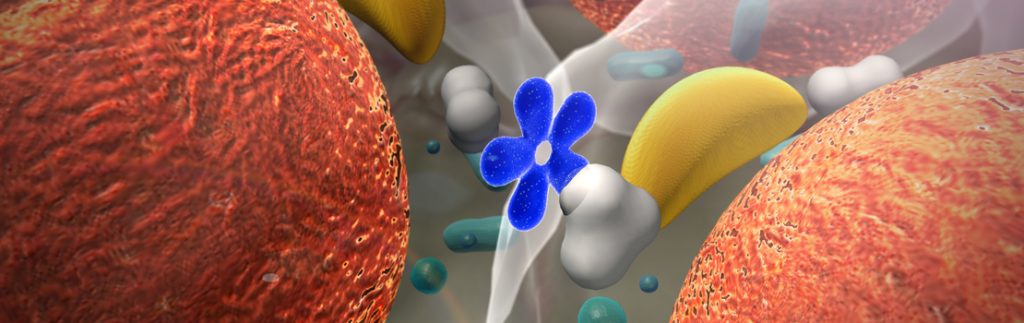
Adult-onset type 1 diabetes is an autoimmune disease often mistaken for type 2 diabetes. Distinguishing adult-onset type 1 diabetes from type 2 diabetes is vital so that appropriate treatment can begin immediately. This is mainly achieved by identification of GADA, an islet autoantibody found in patients with adult-onset type 1 diabetes. A radio-binding assay is currently used for GADA detection, […]
Read More… from A new method to predict adult-onset type 1 diabetes
Most popular articles published in 2021

It’s been a busy year here at Research Outreach. We’ve been lucky enough to collaborate with researchers working on projects that span some of 2021’s most talked-about topics, including the impact of social media on public discourse, the effectiveness of face masks, and innovations in financial technology. Read on to explore our top ten most popular articles of 2021 – […]
When the body turns against itself: Amyloid-based diseases
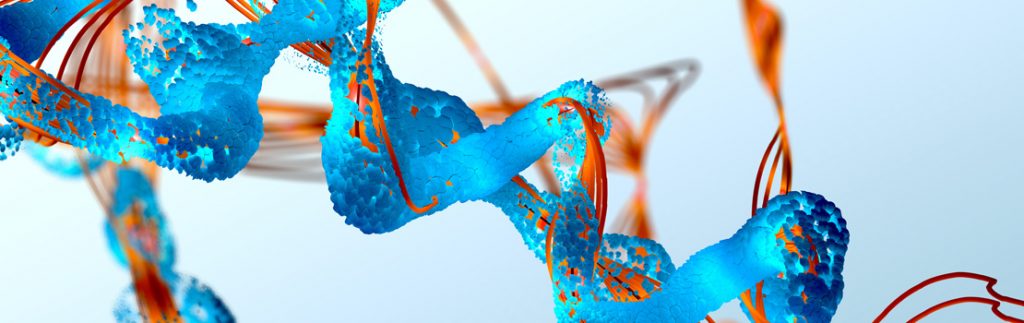
Often, the body is its own worst enemy. Diseases such as cancer are caused by faults in the natural replication processes of our own cells. It is thought that both Parkinson’s and Alzheimer’s disease may be caused by amyloids – aggregates of our own proteins that can disrupt nerve signalling and other functions. Dr H. Robert Guy of Amyloid Research […]
Read More… from When the body turns against itself: Amyloid-based diseases
Timely insulin therapy to treat type 2 diabetes

Diabetes is a tricky condition to treat. While insulin can efficiently lower blood sugar levels and protect pancreatic ꞵ-cells, it can also cause harmful side effects such as hypoglycaemia and weight gain. Severe hypoglycaemia may trigger arrhythmias and cardiovascular events. Professor Markolf Hanefeld suggests that an individualised approach to start timely insulin therapy on the basis of risk/benefit balance is […]
Read More… from Timely insulin therapy to treat type 2 diabetes
A focus on beta cell mass could help prevent type 2 diabetes
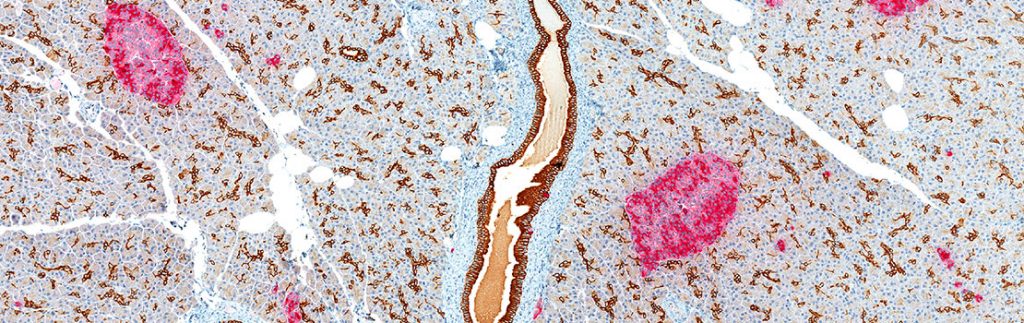
Diabetes is a global health problem expected to affect nearly seven percent of the world’s population by 2035. Treatment broadly focuses on regulating glucose levels, and an increase in the range of pharmacological options means that it is usually possible to manage the condition. However, diabetes cannot be cured. Professor Yoshifumi Saisho from Keio University, Japan, advocates moving the focus […]
Read More… from A focus on beta cell mass could help prevent type 2 diabetes
The carotid body: A candidate for regaining glucose tolerance in Type 2 diabetes

Professor Silvia Conde and her team from the NOVA Medical School, NOVA University of Lisbon, have proposed a new strategy for treating metabolic diseases. Previously, they showed that an over-active homeostasis sensor called the carotid body could cause insulin resistance and disrupt glucose tolerance, common in Type 2 diabetes. In their new study, Prof Conde’s team applied a kilohertz frequency […]
Read More… from The carotid body: A candidate for regaining glucose tolerance in Type 2 diabetes