
Peatlands’ past suggests fast-changing future

Minimising and mitigating the effects of global climate change rely on accurate predictions of future climate, vegetation changes, and feedbacks between the Earth and its atmosphere. Prof Sara Hotchkiss, of […]
Read More… from Peatlands’ past suggests fast-changing future
Synthetic cells have senses too
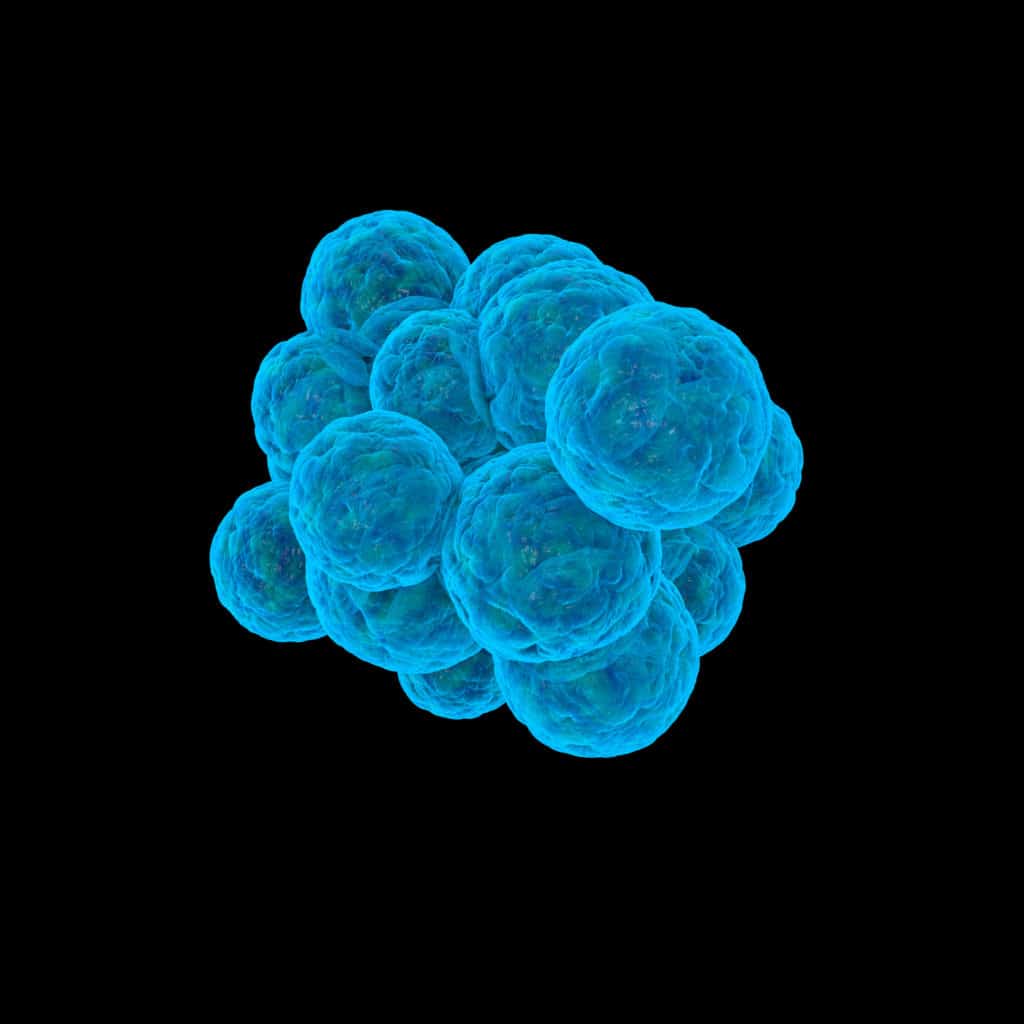
What defines a living cell? How to capture the molecular essence of life? These fundamental questions underpin the collaborative research programme led by Prof Allen Liu at the University of […]
Crystal clear: how topography affects crystal formation

Dr Hugo Christenson is a Reader in the Molecular and Nanoscale Physics Group at the University of Leeds. His present research interests lie in crystallisation – an important process across […]
Read More… from Crystal clear: how topography affects crystal formation
From ears to engineering

Sometimes the solutions to engineering questions have already been answered – by animals! Rather than ‘reinvent the wheel,’ therefore, Professor James Windmill and his lab team at the University of […]
Impaired theory of mind associated with very preterm birth – an invisible handicap

Dr Margot Taylor, Director of Functional Neuroimaging at the Hospital for Sick Children and Professor at the University of Toronto, is investigating how very preterm (VPT) birth impacts social cognitive […]
Read More… from Impaired theory of mind associated with very preterm birth – an invisible handicap
Community collaborations targeting breast cancer

Dr Marion Kavanaugh-Lynch directs the California Breast Cancer Research Program of the University of California. Her latest work with the QuickStart programme in California offers coaching for partnership teams formed […]
Read More… from Community collaborations targeting breast cancer
Raising antibodies against protein complexes
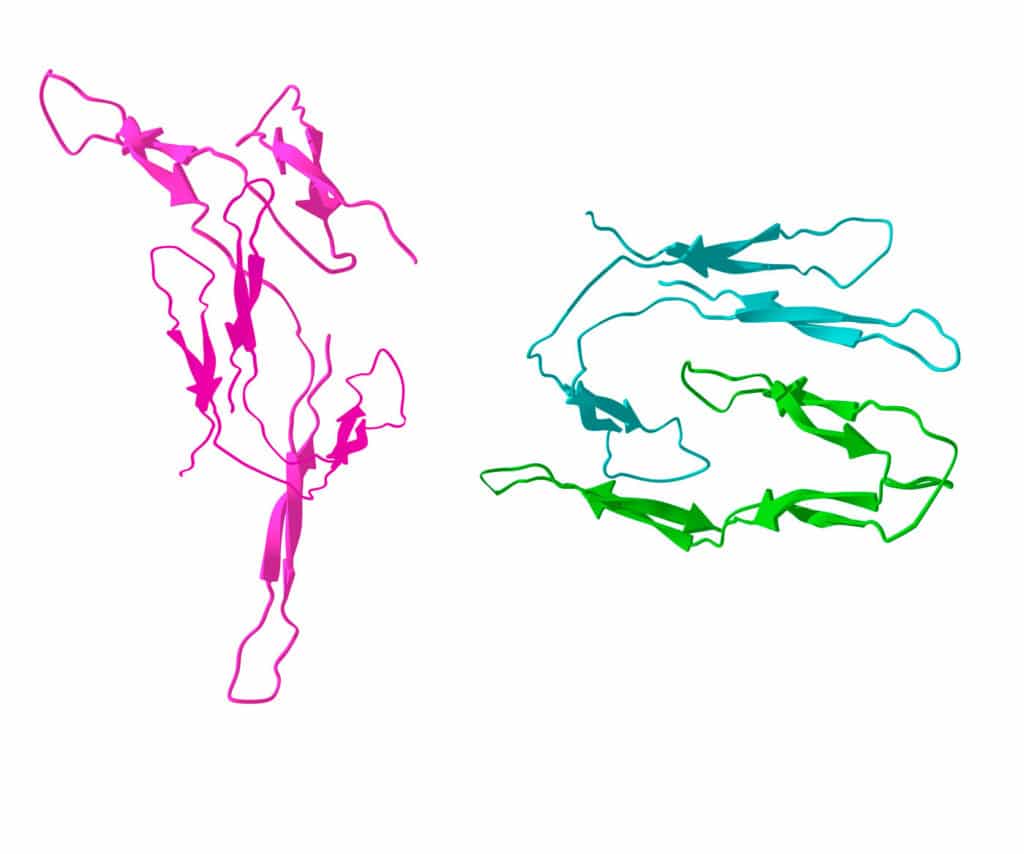
Dr John LaCava of The Rockefeller University has identified a gap in the current availability of target-specific antibodies for the analysis of intracellular protein-protein interactions. Using the latest antibody production […]
Read More… from Raising antibodies against protein complexes
A shining light in the fight against childhood leukaemia?
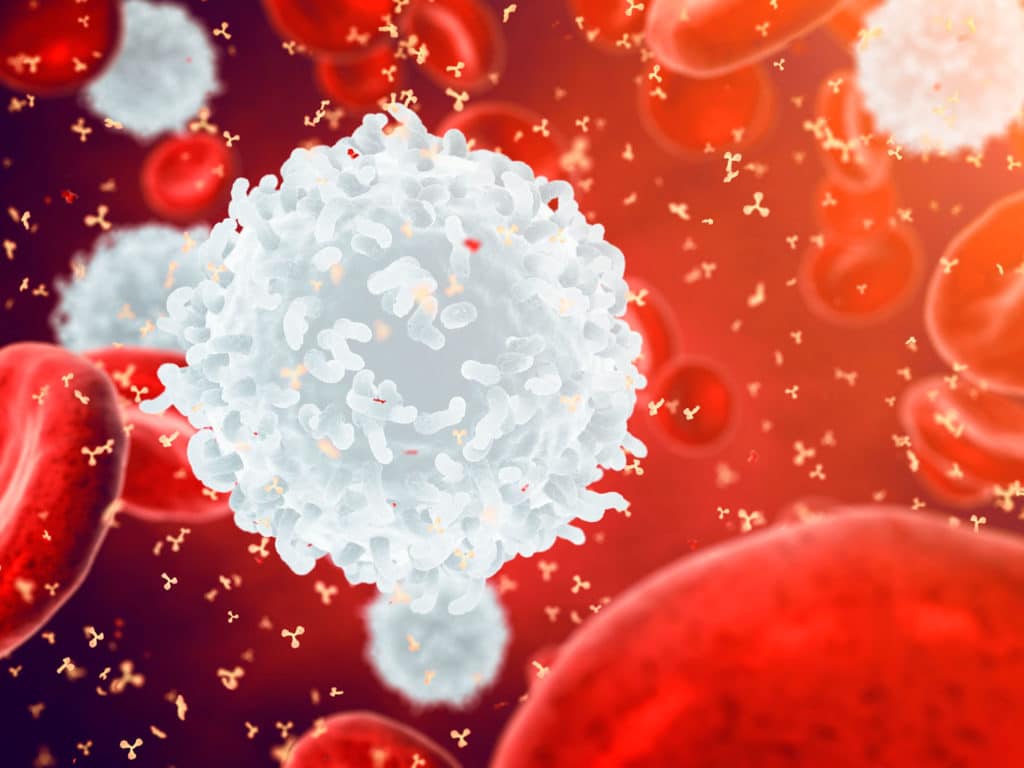
Dr C. James Lim, PhD, is an Associate Professor at the Department of Pediatrics, University of British Columbia, as well as Investigator at the Michael Cuccione Childhood Cancer Research Program […]
Read More… from A shining light in the fight against childhood leukaemia?
Computational methods of researching cancer treatments
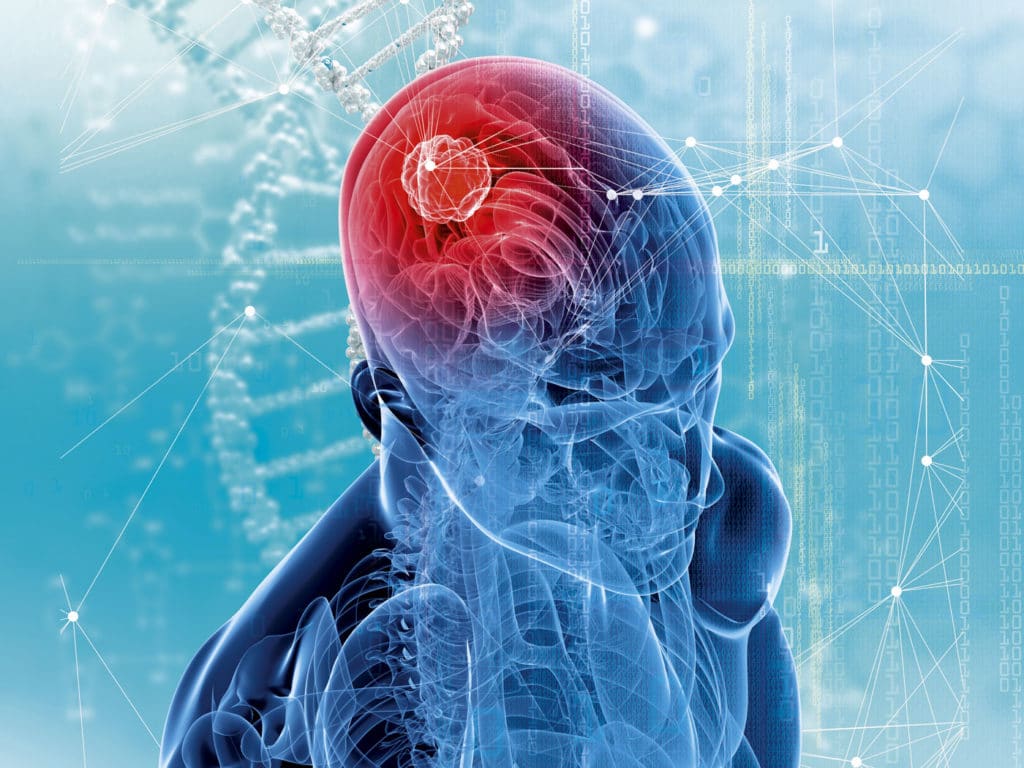
Artificial Intelligence (AI) and machine learning algorithms have the potential to bring substantial advances in the fields of research exploring complex diseases and trying to identify effective treatments. Dr Benjamin […]
Read More… from Computational methods of researching cancer treatments
Preventing and treating complications of heart failure and Fabry disease

Dr Gavin Y Oudit, a distinguished cardiologist from the University of Alberta, focuses his research on developing ground-breaking therapies to treat both genetic and non-genetic cardiovascular disorders, and to prevent […]
Read More… from Preventing and treating complications of heart failure and Fabry disease