
Tag: climate change
International Day for Universal Access to Information 2022 is here! #AccessToInfoDay

International Day for Universal Access to Information 2022 (IDUAI) is here! Ensuring equitable access to information is about tackling inequalities and working collaboratively to disseminate and increase our shared knowledge. Research Outreach firmly believes, like the organisers of IDUAI, that a free-flowing exchange of knowledge and learning is essential for our scientific, technological and societal advancement. To celebrate IDUAI, enjoy open […]
Read More… from International Day for Universal Access to Information 2022 is here! #AccessToInfoDay
Ecology in our cities: Why urban biodiversity matters

In the UK, conservation charity Plantlife runs an annual campaign to raise awareness of the detrimental effects of excessive lawnmowing. A perfectly manicured lawn may have once been something to be proud of, but keeping grasses cut down is deleterious to the environment. This year, the ‘No Mow May’ campaign reached even more people than in previous years, and helped […]
Read More… from Ecology in our cities: Why urban biodiversity matters
World Cleanup Day 2022: Help #cleanup our planet

Put on your rubber gloves and help #cleanup the planet on World Cleanup Day 2022. This 17th of September, millions of international volunteers will join forces to pick up trash and remove waste that pollutes the Earth. Let’s Do It World leads the collective effort to rid the world of pollution, mobilised into action by the horrific truth that only […]
Read More… from World Cleanup Day 2022: Help #cleanup our planet
Altitude range shift of the Spanish Fir under climate change
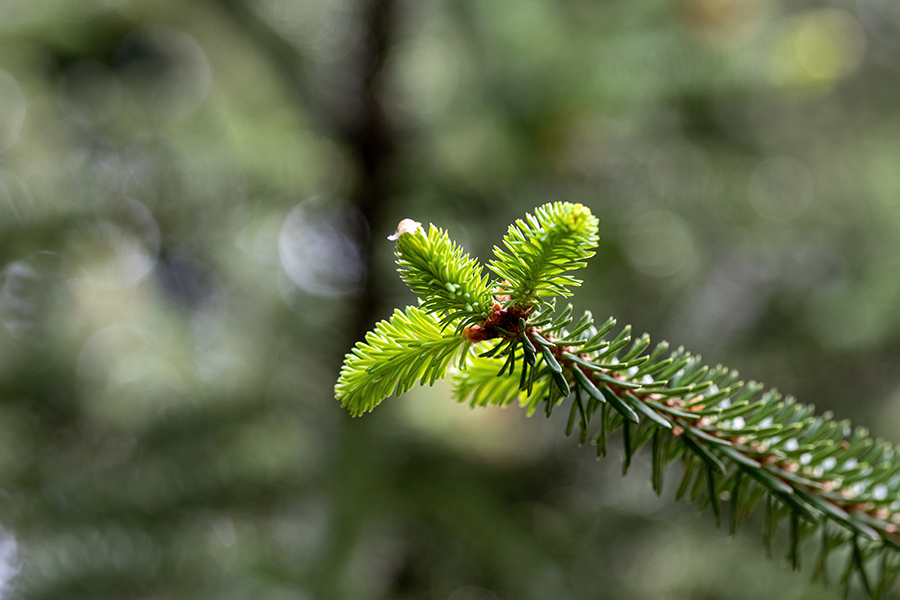
In response to a changing climate, organisms must adapt or migrate to more suitable habitats where the environmental conditions are more favourable. Dr Antonio González-Hernández and his colleagues Dr Diego Nieto-Lugilde, Dr Julio Peñas de Giles, and Professor Francisca Alba-Sánchez, at the universities of Granada and Córdoba, Spain, studied the difference in distribution between two life stages of the Spanish […]
Read More… from Altitude range shift of the Spanish Fir under climate change
Indus civilisation decline: Core evidence for Late Holocene climate change
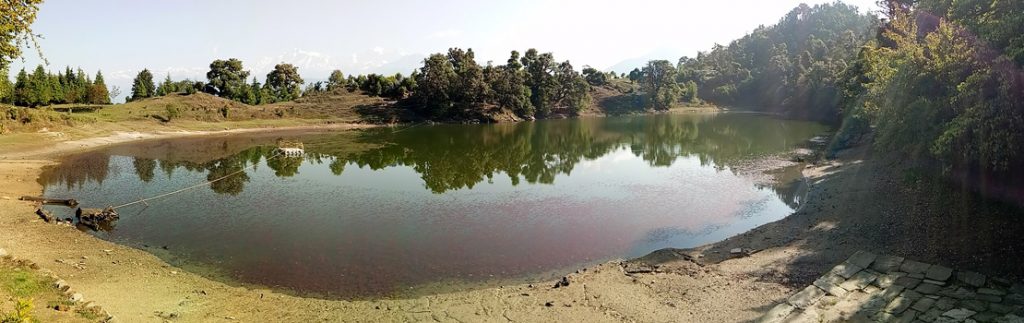
The socially complex and highly urbanised Indus Valley Civilisation began a sustained decline around 3900 cal yr BP (calendar years before present). This decline has been linked with abrupt climate change starting at ~4200 cal yr BP. Past studies examining its causes point to hydroclimate variability, but these studies offer inconsistent evidence for the timing and mechanism(s) driving mid- to […]
Read More… from Indus civilisation decline: Core evidence for Late Holocene climate change
Epidemiology–laboratory interactions for developing resilience against future infectious diseases

Bacteria are one of the leading causes of public health burden associated with food and waterborne diseases. In addition, they have many abilities that allow them to survive decontamination methods, such as biofilm formation. With the rise in antibiotic resistance and climate change also driving bacterial proliferation, new approaches are needed to mitigate the public health burden of infectious diseases. […]
Accounting for biogeographical ignorance within biodiversity modelling
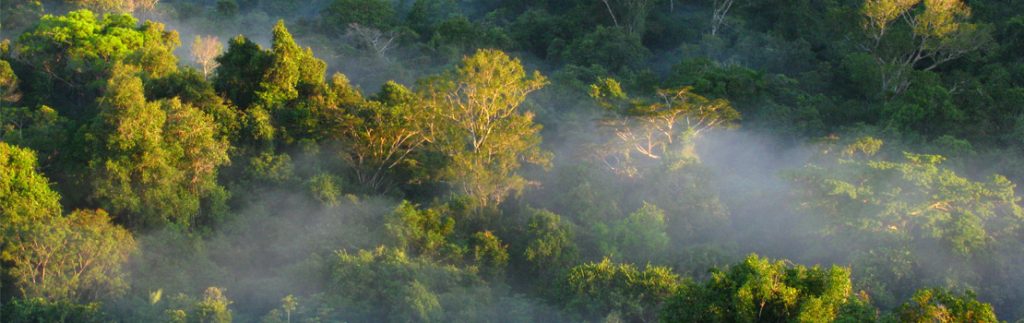
Biodiversity data can be analysed to predict species distribution at various scales of time and space. However, survey completeness and temporal decay in data quality introduce uncertainty into biodiversity models. Researchers Joaquín Hortal, Juliana Stropp (National Museum of Natural Sciences, Spain), Richard Ladle (University of Porto, Portugal), and Geiziane Tessarolo (State University of Goiás, Brazil), among others, are constructing the […]
Read More… from Accounting for biogeographical ignorance within biodiversity modelling
Diverse Horizons: Investing globally in social and environmental sustainability

The issues of climate change, environmental degradation, and social inequality are growing ever more challenging. Considering these problems, global goals for sustainable development have encouraged treaties such as the Paris Agreement and the proposed Green New Deal. Mr Tony Marshall, the Founder, President, and CEO of his corporations Diverse Horizons, Inc. and The Diverse Horizons Foundation, has been diligent in […]
Read More… from Diverse Horizons: Investing globally in social and environmental sustainability
Natural-capital-based societies in the tropics: Harnessing forest function to combat climate change
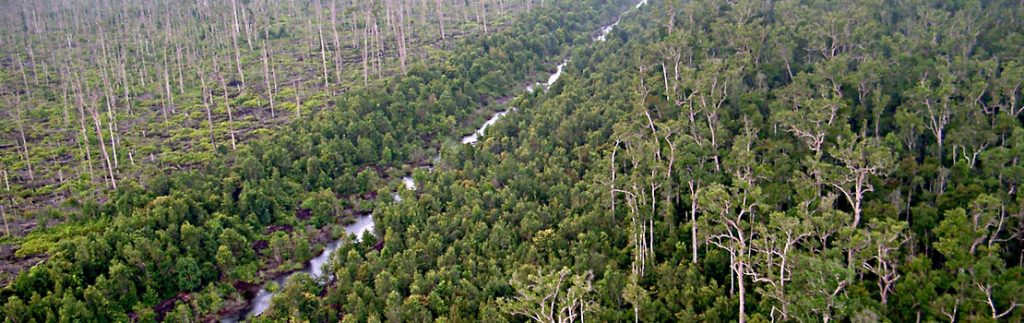
Natural capital – assets derived from the natural world – forms the basis of national economic systems. When natural capital is depleted without reinvestment, there is a net reduction in national wealth, resilience, and living standards. This issue blights the Global South. Professor Mitsuru Osaki of Hokkaido University, Japan, a COP26 symposium leader, studies natural-capital-based societies in the tropics. Natural-capital-based […]
Tuna on the move: How climate change impacts Pacific Island economies

Climate change affects the spatial distribution of commercially important tuna species in the tropical Pacific Ocean. Predicted shifts of tuna outside the jurisdictions of Pacific Island countries and territories could have a significant impact on the revenue they receive from tuna fishing, threatening their economic stability during climate change. Dr Johann Bell from Conservation International and the University of Wollongong, […]
Read More… from Tuna on the move: How climate change impacts Pacific Island economies