
Spiking of urinary biomarker with exercise: A marker of muscle inflammation?

Seeking a sensitive biomarker of inflammation, Emeritus Professor Isao Okayasu of Kiryu University and Kitasato University, Japan and his colleagues have spent over two decades investigating chronic organ inflammation and […]
Read More… from Spiking of urinary biomarker with exercise: A marker of muscle inflammation?
How oxidative stress contributes to neurodegenerative diseases

The human brain relies on a constant energy supply that when compromised, neurodegenerative disease ensues, initially disrupting nerve cell communication followed by nerve cell death. Paul Hyslop and Michael Chaney […]
Read More… from How oxidative stress contributes to neurodegenerative diseases
Giants of the deep

Tales of sea monsters have been shared among humans for as long as we have had contact with the sea. Sea serpents, gigantic whales, and massive squids and octopuses have […]
From friend to foe: Food strains share their toxic genes in E. coli

Food-borne bacteria can cause life-threatening disease, yet it is still unclear why some strains are tolerated by the host. To find an answer, a project led by Professor Rosa del […]
Read More… from From friend to foe: Food strains share their toxic genes in E. coli
Identification of a novel key player in lupus disease opens the door to treatment

Systemic lupus erythematosus (SLE) is a chronic autoimmune disease, the precise cause of which is still unclear. Through dedicated work, Professor Shunichi Shiozawa from Kobe University, Japan, uncovers the underlying […]
Read More… from Identification of a novel key player in lupus disease opens the door to treatment
Ending the debate: Routine or selective cholangiography during gallstone surgery?

Symptomatic gallstones are common in the Western world and treatment of choice is surgical removal of the gallbladder (cholecystectomy). During surgery, an x-ray procedure called intraoperative cholangiography (IOC) gives the […]
Read More… from Ending the debate: Routine or selective cholangiography during gallstone surgery?
Screening frailty: A predictor of healthcare requirements in older people

People are living longer, and this is associated with increased pressure on healthcare services. Assessing how much support people need allows resources to be used effectively and patients to receive […]
Read More… from Screening frailty: A predictor of healthcare requirements in older people
Metabolic dysfunction: The liver and beyond
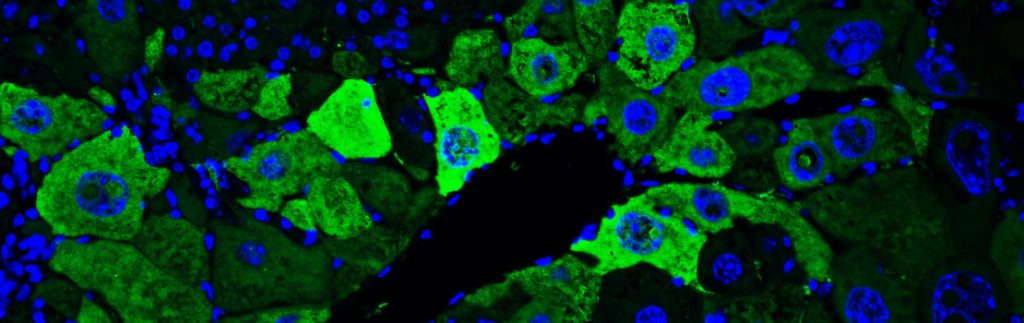
The liver is the centre of our metabolism, with metabolic dysfunction playing a pivotal role in liver diseases and type 2 diabetes. Despite extensive study, the mechanisms underlying these pathologies remain […]
Lead ammunition used by hunters has us all in its sights

For millions of people, game meat is their primary source of protein, but if the animal is shot using lead (Pb) ammunition, its meat can be toxic. The lead in […]
Read More… from Lead ammunition used by hunters has us all in its sights
The Leverhulme Trust: Funding for the future

‘Blue skies’ research is inherently risky as the value and indeed real-world application of research projects cannot be guaranteed. Yet, this type of curiosity-driven research plays an important role, not […]
Read More… from The Leverhulme Trust: Funding for the future