
Tag: USA
Cellulose nanodefects: The key to biofuels and biomaterials of the future
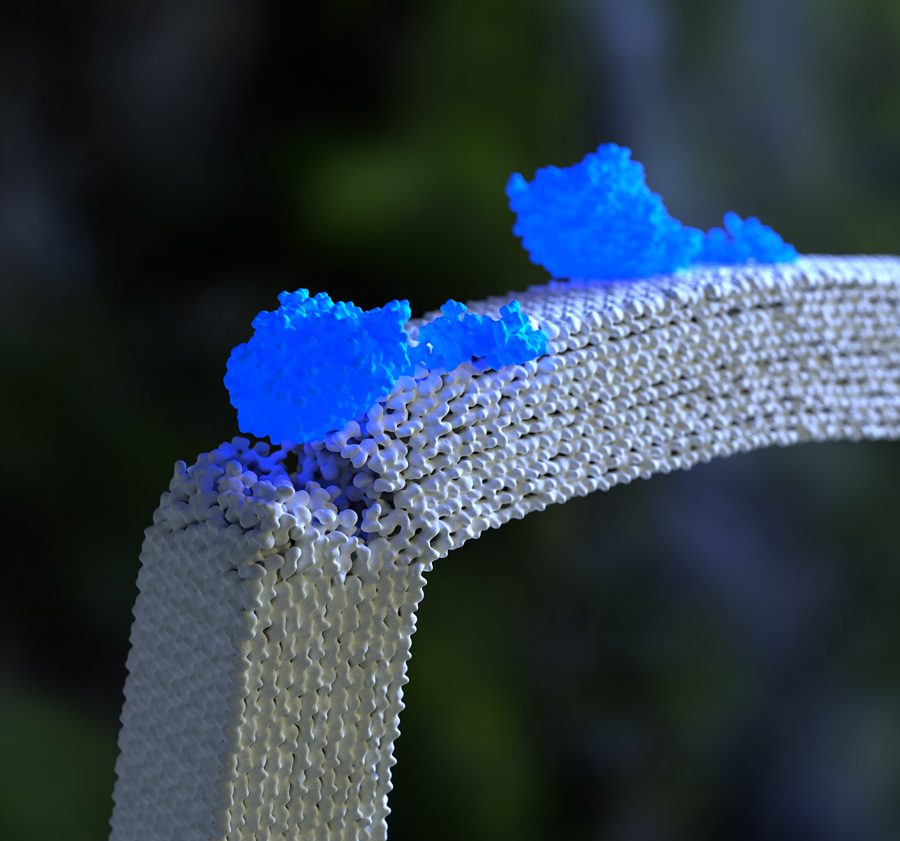
Cellulose is a renewable polymer that can be used to produce biofuels and other bio-based materials. However, the potential of cellulose to displace petroleum-derived products had been limited by incomplete knowledge of its nanoscale characteristics. Recent research by Dr Peter Ciesielski and Dr Michael Crowley, both from the National Renewable Energy Laboratory, has advanced our understanding of nanoscale defects that […]
Read More… from Cellulose nanodefects: The key to biofuels and biomaterials of the future
Free Electron Lasers: The Biggest and Brightest Light Sources

Creating focused, well-behaved beams of electrons is no easy task, but something that Dr Sergio Carbajo and his team at Stanford University and the SLAC National Accelerator laboratory are experts in. They are developing new technologies to control electron generation for some of the world’s biggest and brightest lasers to make it possible to film exactly what happens in the […]
Read More… from Free Electron Lasers: The Biggest and Brightest Light Sources
High-throughput fluorescent sequencing of biomolecules within their cellular environment
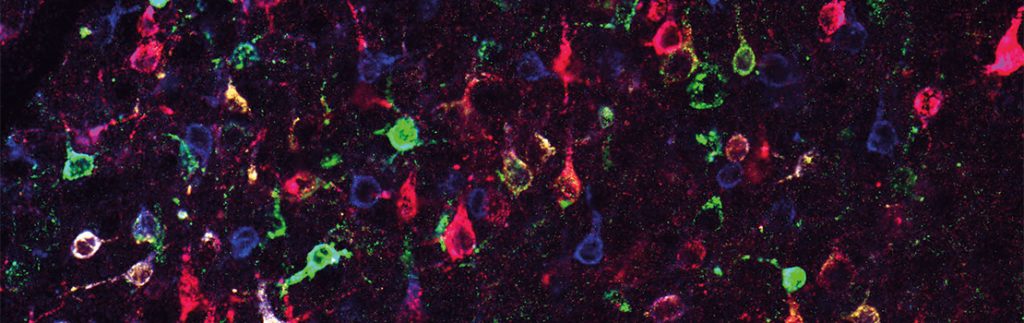
Understanding the molecular diversity within healthy or diseased tissues is crucial for the diagnosis and treatment of diseases and for gaining a better understanding of fundamental biological processes. Biological tissues contain thousands of different molecules, yet conventional staining looks at only a few at a time because it relies on a limited number of dyes. Prof George Church and Dr […]
Old drugs, new purpose: The search for binge eating medication
Binge eating is an important feature of two serious mental health conditions: bulimia nervosa and binge eating disorder. While medication can be helpful in treating patients with these illnesses, currently just two drugs are approved for this purpose. Professor Susan McElroy of the Lindner Center of HOPE, Ohio, USA, leads research into potential new medications for binge eating conditions. Professor […]
Read More… from Old drugs, new purpose: The search for binge eating medication
More than a just a simple powerhouse: Structure and function of mitochondria

Mitochondria are well-known as the “powerhouse” of the cell – but these organelles have many other vital functions. Mitochondria are also heterogeneous, differing in structure and function. Dr Kasturi Mitra of the University of Alabama, Birmingham, Alabama, USA, leads a research team focused on understanding the relationship between structure and function of mitochondria, in both health and disease. Dr Mitra’s […]
Read More… from More than a just a simple powerhouse: Structure and function of mitochondria
Rethinking the root of chronic headaches
Chronic headaches are a leading cause of health burden worldwide and are debilitating for people living with the condition. Pamela Blake, MD, Director of the Headache Center of River Oaks, and Carlton Perry, MD, River Oaks Plastic Surgery Center, are exploring the underlying cause of the condition in the hope of finding ways to provide patients with relief from constant […]
Birds prefer sound texture over sound order

How exactly do birds ‘talk’ to one another? And might research into how birds listen to birdsong help us understand communication both in humans and birds? Dr Robert Dooling and his team, based at the University of Maryland, USA, showed that – for zebra finches at least – the subtle nuances in sound texture or timbre are more important than […]
Religiosity, crime and drug use among juvenile offenders

Sung Joon Jang is Research Professor of Criminology and Co-director of the Program on Prosocial Behavior at the Institute for Studies of Religion at Baylor University. His research focuses on the effects of religion on criminal offending and desistance and the rehabilitative effects of faith-based programmes on prisoners. Here, we take a closer look at Dr Jang’s research, which demonstrates […]
Read More… from Religiosity, crime and drug use among juvenile offenders
Could cool sensations from the eyelids and eye surface boost brain power?
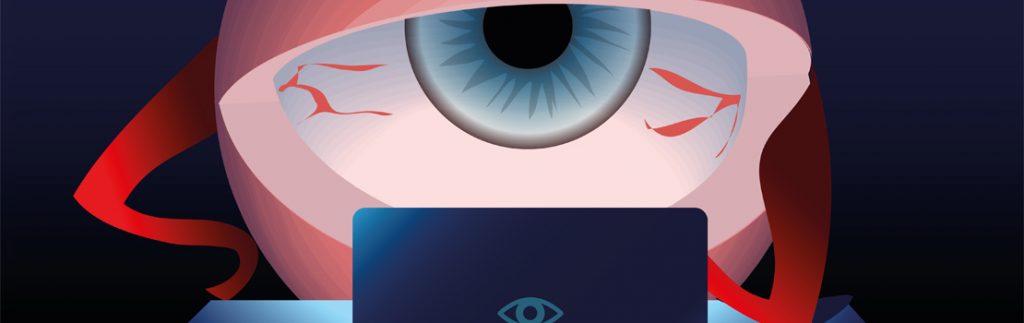
Our brains work best when the temperature around us is between 18 and 22oC. Any hotter than this, and productivity, motivation and short-term memory all begin to suffer. In exciting new work, Professor Edward Wei identified a group of molecules called cryosims, which can create a cooling effect without reducing body temperature. As well as treating conditions like dry eye […]
Read More… from Could cool sensations from the eyelids and eye surface boost brain power?
Controlling hydrate crystallisation for block-free pipes

Hydrate formation is a major problem in the oil & gas industry, leading to blocked pipes and increased costs. Hydrates are crystals formed by ‘trapped’ gas in water, under specific temperature and pressure conditions. Using surfactants can inhibit and control hydrate formation, but this research area is still young. Professor Liat Rosenfeld from San José State University sheds light on […]
Read More… from Controlling hydrate crystallisation for block-free pipes