
Tag: health
Biofield therapy: Evidence for the health benefits of Johrei

Johrei is an important form of biofield therapy developed by Mokichi Okada in Japan in 1935. It is said to provide health benefits when a practitioner absorbs life-force energy from the universe and channels it toward the recipient. While it is practised in some countries such as Japan, the US, the UK, Brazil, and Thailand, the mechanisms are not well […]
Read More… from Biofield therapy: Evidence for the health benefits of Johrei
A new generation of wearable devices for telemedicine

Wearable gadgets such as smart watches, or wristbands, represent a user-friendly and cost-effective platform for the tracking of physiological parameters, such as heart rate and blood pulse oxygenation levels. However their rigid and opaque nature hinder the development of skin-conformable sensors that provide continuous and accurate data for telemedicine. Dr Emre Ozan Polat and his team from Kadir Has University […]
Read More… from A new generation of wearable devices for telemedicine
The silent pandemic: Addressing antimicrobial resistance

Antimicrobial resistance (AMR) is a silent pandemic that poses a huge threat to global health and development. The World Health Organization and its partner organisations are seeking to raise awareness of the issue. One approach is through annual monitoring of progress through the Tripartite AMR Country Self-Assessment Survey (TrACSS), for which the 2021 results are now available, www.amrcountryprogress.org. While significant […]
Read More… from The silent pandemic: Addressing antimicrobial resistance
The role of testosterone in SARS-CoV-2 infection
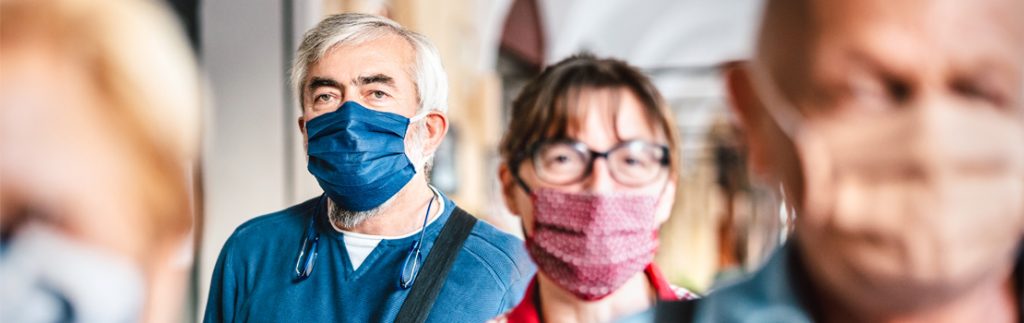
Data from multiple countries has shown gender imbalances in COVID-19 severity and risk of mortality, with worse outcomes seen in men. To explore why male gender is a major risk factor for more severe disease, Marta Camici, of The Lazzaro Spallanzani National Institute for Infectious Diseases (IRCCS), has explored the links between testosterone and COVID-19. Her research findings suggest that […]
Read More… from The role of testosterone in SARS-CoV-2 infection
Cyclic self-reproducing systems: The key to health and happiness

Professor Leonid E Popov from the Tomsk State University of Architecture and Civil Engineering, together with his collaborator and editor Professor Valentin L Popov from the Technische Universität Berlin, explores the cyclic nature of self-reproducing systems. Summarising the main physiological findings on adaptation reactions, Professor Leonid Popov describes how actions that are effective in the sense of people’s productive activity […]
Read More… from Cyclic self-reproducing systems: The key to health and happiness
Common beans: A sustainable and inexpensive super food to fight against CVD
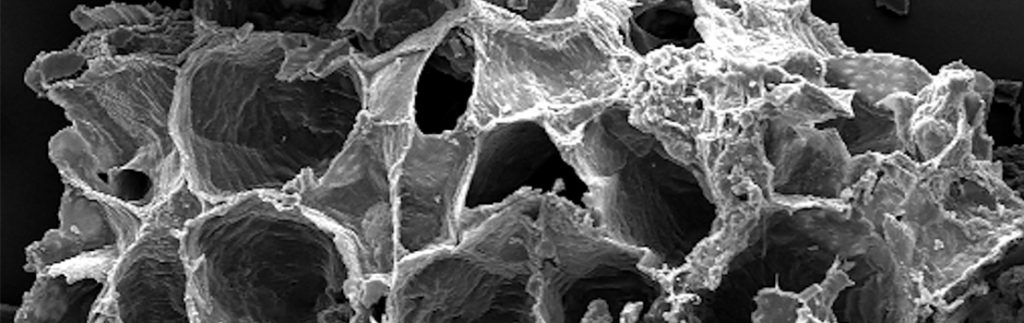
Legumes, such as common beans, are well known for their health benefits, including their ability to lower blood cholesterol and lipid levels. However, prior to consumption, beans need to be cooked or processed. These techniques often cause changes in the bean matrix, which can potentially influence their positive physiological effects. Dr Cristina Fernández-Fraguas, Assistant Professor at Virginia Polytechnic Institute and […]
Read More… from Common beans: A sustainable and inexpensive super food to fight against CVD
Can anti-cancer drugs be used as an effective therapy for the treatment of Alzheimer’s disease?

Background Worldwide, around 50 million people have dementia. According to the World Health Organization reports, this number is expected to increase threefold by 2050. Alzheimer’s disease (AD) is the most common type of dementia, which is characterised by deterioration in cognition and behaviour. The underlying aetiopathogenesis of AD is still little understood. The amyloid plaques theory and tau hyperphosphorylation are […]
Finger on The Pulse: Spotlighting the people behind the science headlines
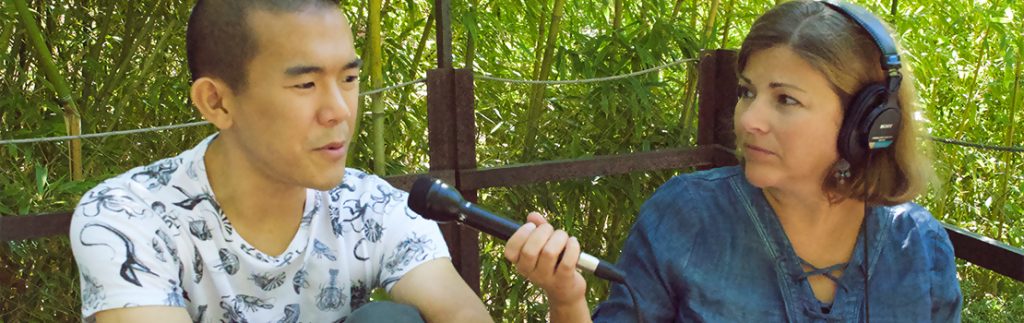
Where does personality come from? What’s it like to work in the emergency room during a global pandemic? Is there a cure for heart ache? Weekly podcast The Pulse asks the science and health questions you want to know the answers to, and those you hadn’t thought of yet. In this interview, host and executive producer Maiken Scott told Research […]
Read More… from Finger on The Pulse: Spotlighting the people behind the science headlines
Exploring mental benefits of the natural environment

Natural environments affect behavioural and neural processes, facilitating increased positive emotions and creativity, and reducing stress and impulsive decision-making. Kerry Jordan of Utah State University explores this domain, focusing on impulsive decision-making. With limited neurological literature on mental benefits of natural environments, she recently employed event-related potentials and attention restoration theory in an electrophysiological exploration of implicit decision-making when viewing […]
Read More… from Exploring mental benefits of the natural environment
Frailty screening: Doing good and avoiding harm

Ageing populations bring both opportunities and challenges for the economy, services and society. Screening for frailty aims to match the healthcare offered with a person’s needs, circumstances and capacity to benefit. Professors Mary McNally, Lynette Reid and William Lahey from Dalhousie University, Nova Scotia, Canada, explore the legal and ethical implications of frailty screening to ensure concerns with both doing […]
Read More… from Frailty screening: Doing good and avoiding harm