
Tag: Switzerland
The missing link? Sudden infant death syndrome and the diaphragm

The cause of death in sudden infant death syndrome (SIDS) is unknown. Scientists know that risk factors include the prone sleeping position, prematurity, low birth weight, and non-lethal infections. SIDS likely has a respiratory origin, but the diaphragm that powers the vital respiratory pump has not been adequately investigated in the context of SIDS. Diaphragm failure is a well-known cause […]
Read More… from The missing link? Sudden infant death syndrome and the diaphragm
Customer experience of product quality: A new metric

Henry Ford famously said that quality means doing it right when no one is looking. That is certainly what customers hope has happened in the production of the durable products they purchase, from cars to smartphones. But what do we really mean by product quality and how should it be measured? Professor Marcel Paulssen and Dr Ramesh Roshan Das Guru […]
Read More… from Customer experience of product quality: A new metric
The trials and tribulations in the drug discovery cycle: A particular case for Alzheimer’s disease
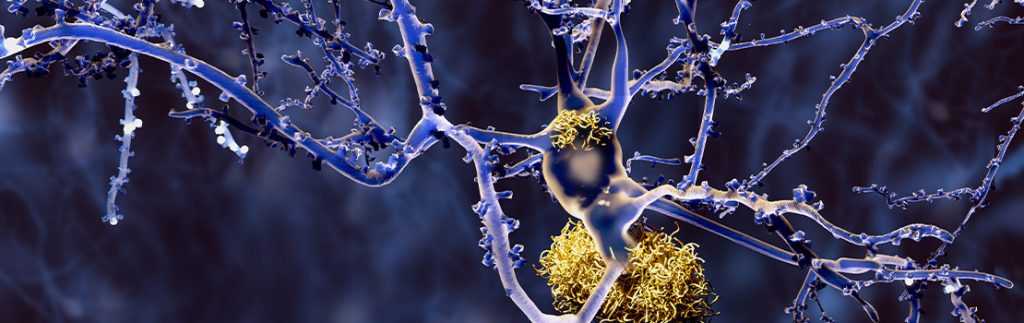
As people live longer lives, the spectre of Alzheimer’s disease will only grow. Scientists now know that the amyloid beta (Aβ) peptides are important for treating Alzheimer’s, particularly Aβ42 which aggregates into the amyloid plaques that trigger the disease. Researchers have been looking to target γ-secretase – the enzyme that creates pathogenic Aβ42 affecting the relative abundance of short Aβ […]
De-icing salt contamination of trees in urban environments

Street trees and other greenery counteract pollution and provide important ecosystem services in urban environments. That this valuable vegetation is under stress has emerged as a research and urbanisation issue. Pierre Vollenweider is based at the Swiss Federal Institute for Forest, Snow and Landscape Research which is concerned with the use, development and protection of natural and urban spaces. Together […]
Read More… from De-icing salt contamination of trees in urban environments
Climate change impacts the transmission of vector-borne diseases

Climate change is responsible for changes in temperature and rainfall patterns as well as more frequent extreme events such as floods. These changes may cause insect displacements to regions that are more favourable to them. This can prove to be problematic for local human populations as some of these insects carry diseases: vector-borne diseases are illnesses caused by parasites, viruses […]
Read More… from Climate change impacts the transmission of vector-borne diseases
Halalopathy: Integrating mind, behaviour and health

With the current focus on personalised medicine, some physicians are searching for new ways to treat the patient as an individual. Dr Jawad Alzeer of the University of Zurich, Switzerland, proposes a novel approach to medicine: halalopathy. Under halalopathy, mind, behaviour and health are fundamentally connected. By prioritising the relationships between these three aspects of a person, Dr Alzeer believes […]
Read More… from Halalopathy: Integrating mind, behaviour and health
The critical gap between management theory and technological reality:
Why many businesses are still failing to innovate effectively

Prof Hugo Tschirky is an academic at the Swiss Federal Institute of Technology and specialises in how companies innovate and embrace technology. In 2004, he initiated and co-authored a book called “Bringing technology and innovation into the boardroom” but many of the findings in this book have still yet to be fully embraced by executive boards. Worryingly, a critical gap […]
Investigating teachers’ psychological and physiological stress

Professor Dr Alexander Wettstein, Head of the Social Interaction in Educational Settings Research Programme at the University of Teacher Education Bern, is leading an investigation into teachers’ psychobiological stress in social interactions aiming to prevent stress among teachers. His research also examines how aggressive student behaviour and challenging classroom settings can trigger psychological and physiological stress reactions in teachers. The […]
Read More… from Investigating teachers’ psychological and physiological stress
Agent-based modelling of immigration impact

Policy makers depend on immigration policies and quotas, derived from models of the impacts of immigration to design policies that meet the needs of an entire society. Marcello Marini, Dr Ndaona Chokani and Professor Reza S. Abhari from the Laboratory for Energy Conversion (LEC) Group, at ETH Zürich, have developed an artificial intelligence model that significantly reduces simulation times allowing […]