
Tag: USA
Family dog bites are preventable

Family dogs are our best friends but can bite when feeling imposed upon, threatened, or afraid. By learning and respecting what dogs do and do not like and how they communicate their concerns, we can avoid triggering a reactionary bite. Led by world-renowned veterinarian Dr. Nicholas H. Dodman, Professor Emeritus, Tufts Cummings School of Veterinary Medicine, USA, Be BiteSmart aims […]
Teacher embeddedness: Turning the tables for turnover contagion

Much is known about the impact of teacher turnover on schools and students – but how does it affect teachers themselves? In his research, Dr Matthew McCluskey at the University of Vermont, USA, has found that turnover causes considerable strain on teachers’ work lives and has a contagion effect. In short, turnover begets turnover. McCluskey has identified key factors that […]
Read More… from Teacher embeddedness: Turning the tables for turnover contagion
Establishing the first set of guidelines for breast cancer management in Bosnia and Herzegovina
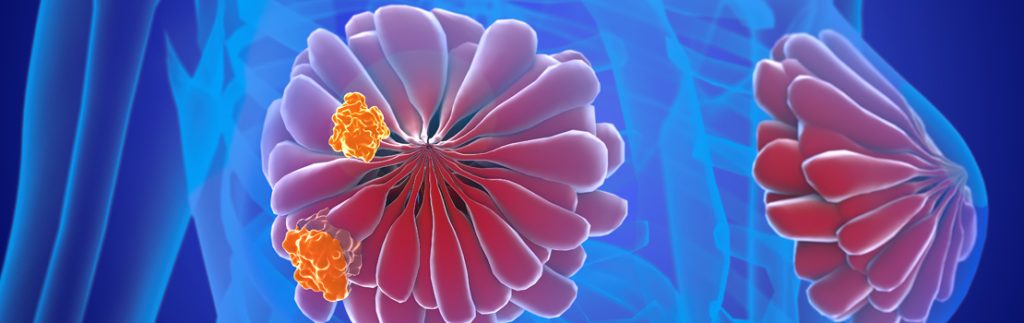
Breast cancer is the most common cancer in women worldwide. Specialised centres that monitor breast cancer patients can help improve disease outcomes by recording patient information and by helping to implement centralised guidelines for disease management. In Bosnia and Herzegovina there is no accurate data on breast cancer patients, nor any centralised guidelines. Dr Lejla Hadžikadić-Gušić, a breast surgical oncologist, […]
Neuromodulation – the future of diabetes treatments
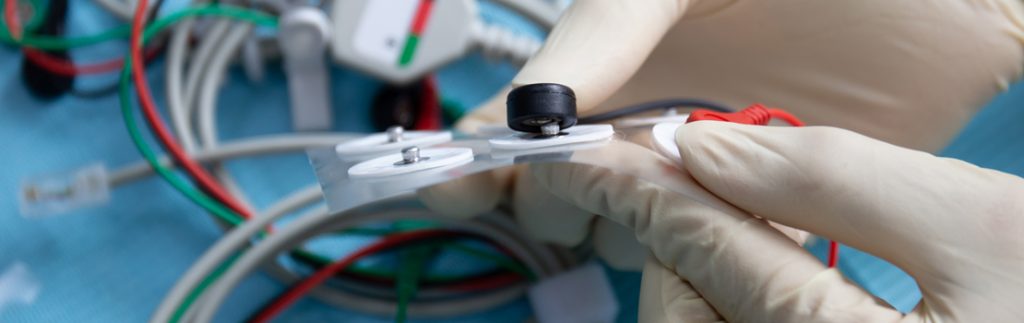
The treatments for type 2 diabetes are limited in breadth and effectiveness. Medications have side effects, and many patients forget to take their medications regularly. An alternative treatment option that does not require daily compliance could provide better outcomes and is more likely to be used by patients. Dr Jonathan Waataja of ReShape Lifesciences in California, USA and colleagues have […]
Read More… from Neuromodulation – the future of diabetes treatments
Rethinking a tenet of cancer risk assessment for low radiation doses

Science isn’t perfect, but it does theoretically correct itself, and in the process even overturns keystones to fields of knowledge. However, such shifts don’t occur without pushback, especially from individuals and organisations with something to protect. The Health Physics Society, which is dedicated to radiation safety, produced a documentary that exposes a history of scientific errors, profound bias, professional self-interest, […]
Read More… from Rethinking a tenet of cancer risk assessment for low radiation doses
How we experience pain may unlock the mystery of consciousness
In a recent publication, Professor Richard Ambron of Columbia University in New York, USA, addresses the fascinating topic of consciousness. He reasons that if we can understand the consciousness of pain, we might better understand consciousness in general. He outlines the neurological systems involved in pain and theorises that the consciousness of pain arises through non-physical ‘waves’ known as local […]
Read More… from How we experience pain may unlock the mystery of consciousness
Building acoustic computers with tuneable phononic crystals

For more than two decades, physicists have been investigating wave propagation in phononic crystals, a metamaterial designed to control sound waves. A recent consideration involves using phononic crystals in acoustic computing. Acoustic computers execute basic Boolean algebra computations using acoustic waves. Dirac cones make this possible but achieving them is both very difficult and rare. Professor Sourav Banerjee and his […]
Read More… from Building acoustic computers with tuneable phononic crystals
How oxidative stress contributes to neurodegenerative diseases
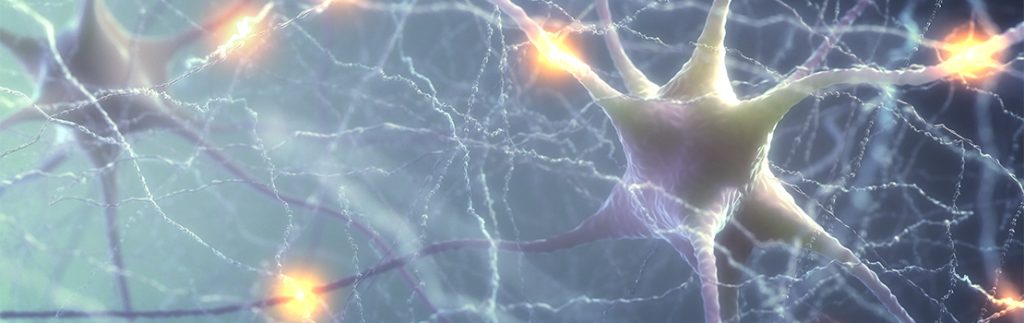
The human brain relies on a constant energy supply that when compromised, neurodegenerative disease ensues, initially disrupting nerve cell communication followed by nerve cell death. Paul Hyslop and Michael Chaney investigate fundamental mechanisms driving neurodegenerative disease, to identify therapeutic interventions. They focus on how an enzyme integral to energy supply to nerve cells, glyceraldehyde-3-phosphate dehydrogenase (GAPDH) – is inhibited and […]
Read More… from How oxidative stress contributes to neurodegenerative diseases
From friend to foe: Food strains share their toxic genes in E. coli
Food-borne bacteria can cause life-threatening disease, yet it is still unclear why some strains are tolerated by the host. To find an answer, a project led by Professor Rosa del Carmen Rocha-Gracia (Benemérita Universidad Autónoma de Puebla, Mexico) and Professor Manel Camps (University of California Santa Cruz, USA) analysed the genetic diversity of Escherichia coli populations, comparing isolates from food […]
Read More… from From friend to foe: Food strains share their toxic genes in E. coli
From mice to men: Will we soon be able to restore hearing loss?

Globally, hearing impairment is a common disability – especially among elderly adults. Hearing loss caused by damaged sensory receptor cells (hair cells) inside the ear cannot be reversed – and regeneration of this type of cell does not occur in humans. Associate Professor Brandon Cox and colleagues at Southern Illinois University School of Medicine, USA, have been studying the regeneration […]
Read More… from From mice to men: Will we soon be able to restore hearing loss?