
Tag: cancer
Dancing DNA: How Rad51 chooses the perfect partner
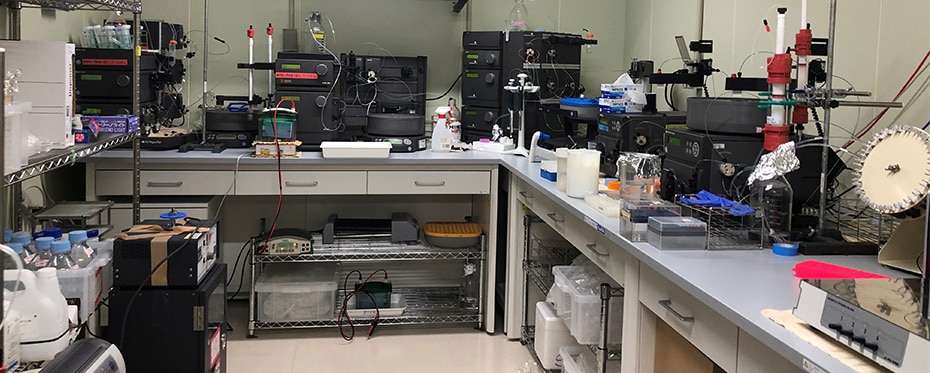
Professor Hiroshi Iwasaki, Tokyo Institute of Technology, aims to learn more about a biological process called homologous recombination, which is crucial to maintaining the integrity of DNA. His laboratory-based research means that we can learn more about this process and a key protein called Rad51. An increased understanding of this complex mechanism could be translated to the DNA repair processes […]
Read More… from Dancing DNA: How Rad51 chooses the perfect partner
Off-the-shelf immunotherapy could lead to more accessible cancer treatment
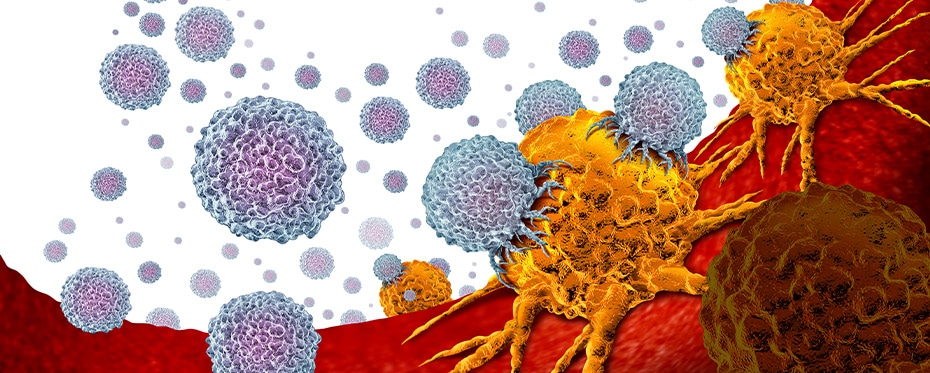
Immunotherapy is a type of cancer treatment that harnesses the immune system to destroy cancerous cells. Dr Li Zhang and colleagues at Toronto General Hospital Research Institute and the University of Toronto, are pioneering a new type of “off-the-shelf” treatment using a type of immune cell—a double negative T (DNT) cell. Dr Zhang‘s work shows that DNT cells are a […]
Read More… from Off-the-shelf immunotherapy could lead to more accessible cancer treatment
Tumorigenesis: Revealing cancer’s origins

Despite huge amounts of research, many aspects of cancer remain mysterious. One of these is the process of tumorigenesis – the very earliest stages of tumour development. John Evans, Emeritus Professor at the University of Otago, New Zealand, has drawn together a wealth of evidence to suggest that the extracellular matrix, the network of proteins and carbohydrates that surrounds cells, […]
A holistic approach to cancer: The unseen influence of the unconscious mind
Although the mind-body dualism has dominated Western medicine for centuries, contemporary cancer research is making room for more holistic approaches to understanding carcinogenesis. Dr Marco Balenci, psychoanalyst and member of the American Psychological Association, looks at cancer as a systemic rather than local disease. His recent article places the work of Elida Evans in the history of American medical-psychological thought and, […]
Read More… from A holistic approach to cancer: The unseen influence of the unconscious mind
Artificial intelligence allows quick and easy diagnosis of pancreatic cancer
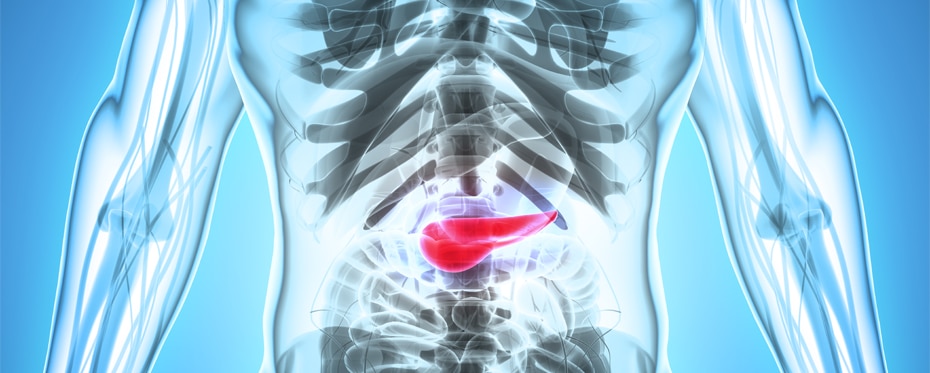
The pancreas is an important organ that regulates food digestion and blood sugar levels. Cancers commonly arise in the pancreas, leading to death for over 50,000 patients per year in the U.S. alone. This is due to a lack of effective therapies and a low survival rate for this disease since symptoms arise only in the late stages of disease. […]
Read More… from Artificial intelligence allows quick and easy diagnosis of pancreatic cancer
Discovering the metastasome A new way to understand cancer metastasis

Cancer treatment is improving all the time, but one area where progress has been slower is in the treatment of metastases, the secondary growths that break away from the initial tumour. Metastasis is responsible for 90% of cancer-related deaths – the development of new diagnostic and treatment methods is crucial. Professor Heike Allgayer of Ruprecht Karls University Heidelberg, Germany, believes […]
Read More… from Discovering the metastasome A new way to understand cancer metastasis
Diet and cancer: Investigating the mechanisms of polyphenolic compounds in extra virgin olive oil

The health benefits of extra virgin olive oil are widely acknowledged, but we still have much to learn about the compounds which provide these benefits. Dr Limor Goren, Hunter College of the City University of New York, has recently completed her PhD which explored the anti-cancer effects of oleocanthal, a phenolic compound found in extra virgin olive oil. Dr Goren […]
Integrating molecular epidemiology and microbiome science
How cancer patients respond to therapy
Understanding the variation in responses to cancer therapeutics would create better treatment for many patients and provide an important basis for further research into new or personalised treatments. It is understood there is a connection between patient response to treatment and their microbiome. However, there is currently a lack of consensus on the microbial signatures present in responsive versus unresponsive […]
Anagrelide: Finding new use as an adjuvant therapy in cancer management
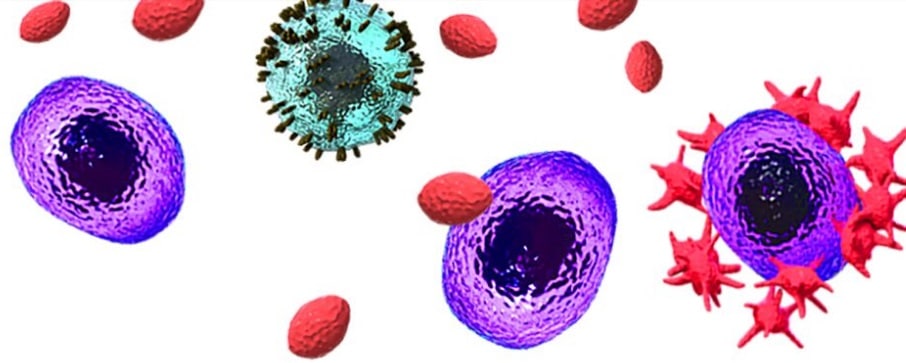
Dr Richard Franklin, Anagrelide Project Director at SUDA Pharmaceuticals Ltd, is pioneering a radically new application which would see the platelet-lowering drug anagrelide developed as an oromucosal spray formulation. This has the potential to make the most of its recently discovered ability to block cancer cell-stimulated platelet formation and to inhibit cancer cell migration towards platelet precursors (megakaryocytes) while at […]
Read More… from Anagrelide: Finding new use as an adjuvant therapy in cancer management
Whole-body MRI more efficient than multiple scans at assessing spread of cancer
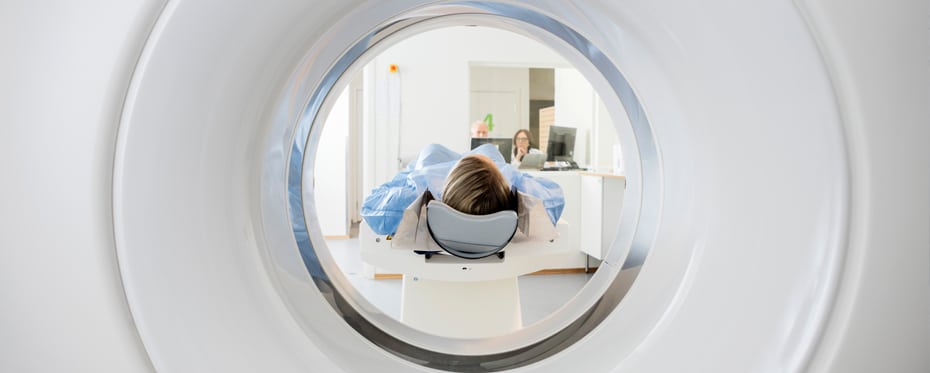
For most patients, a cancer diagnosis means some tough times ahead. Standard assessments to determine the best treatment can be time-consuming, adding to the patient’s stress and anxiety. Professor Stuart Taylor, based at the University College London Hospital, wants to see a more widespread use of whole-body MRI scans in cancer patients. He proposes this as a faster and cheaper […]
Read More… from Whole-body MRI more efficient than multiple scans at assessing spread of cancer