
Tag: Japan
Regional revitalization: How the RESAS is overturning a downward trend
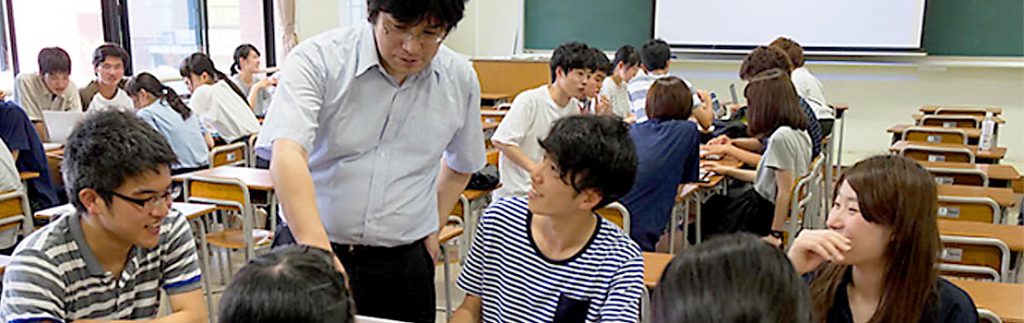
Japan is the tenth largest country in the world by population size, but it is on track to become the globe’s first ‘hyper-aged’ society. General depopulation as a result of a low birth and death rate, as well as the relocation of young people from rural to urban areas has led the Japanese government to act to prevent an economic […]
Read More… from Regional revitalization: How the RESAS is overturning a downward trend
Stem cells could offer hope for muscular dystrophy
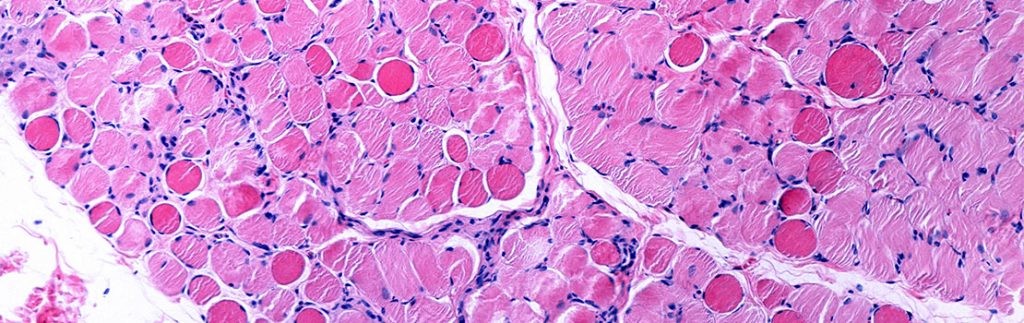
Muscular dystrophies are genetic conditions that cause muscles to become progressively weaker. Researchers are investigating several novel approaches, including gene and stem cell therapy, to meet the challenges of these serious illnesses. Recently, Dr Yoshitsugu Aoki of the National Center of Neurology and Psychiatry, Tokyo and colleagues have drawn on research from around the world to create a picture of […]
Read More… from Stem cells could offer hope for muscular dystrophy
Why we need to reassess the sustainability of aging populations

Modern societies have largely been able to grow and develop due to fossil fuels and monetary systems. However, with more aging populations around the world, questions are starting to be asked about the sustainability of this paradigm. Professor Kozo Torasan Mayumi of the Kyoto College of Graduate Studies for Informatics in Japan reassesses the double-edged nature of fossil fuels and […]
Read More… from Why we need to reassess the sustainability of aging populations
Direct cardiac reprogramming to regenerate the heart

Infarction causes the loss of a consequent number of cardiac muscle cells. Unable to self-regenerate, these cells are replaced by fibroblasts. This can lead to heart failure. Priyadharshni Muniyandi, doctoral researcher and Dr M. Sheikh Mohamed, Associate Professor at the Bio-Nano Electronics Research Centre, Toyo University, work on direct cardiac reprogramming. Their technique uses microRNA encapsulated in a non-viral nanocarrier: […]
Read More… from Direct cardiac reprogramming to regenerate the heart
Social dilemmas reveal selective inattention in indirect reciprocity

Cooperation with others generates prosperity within human society, yet research into the evolution of cooperation, particularly indirect reciprocity, has left much unexplained. Indirect reciprocity involves assessment rules and draws on moral judgment. Most studies assume that people will consider all the information available to them before deciding whether to cooperate. Dr Isamu Okada, Associate Professor at Soka University, Japan, has […]
Read More… from Social dilemmas reveal selective inattention in indirect reciprocity
Hydrogen? Just add water and sunlight
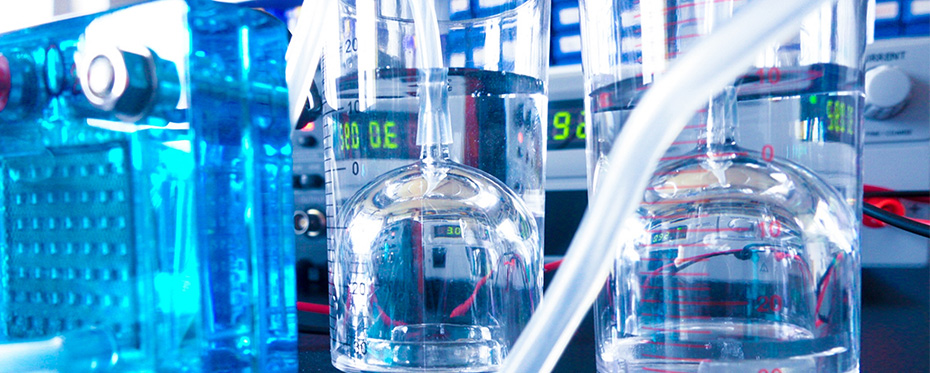
Hydrogen has been sold to the public as having the potential to be the ultra-clean fuel for the future’s economy. What’s less likely to be mentioned is that 96% of hydrogen is produced from natural gas, coal or other fossil fuels – producing it using renewable electricity is simply too expensive. To realise hydrogen’s full potential, the world needs better […]
Dancing DNA: How Rad51 chooses the perfect partner
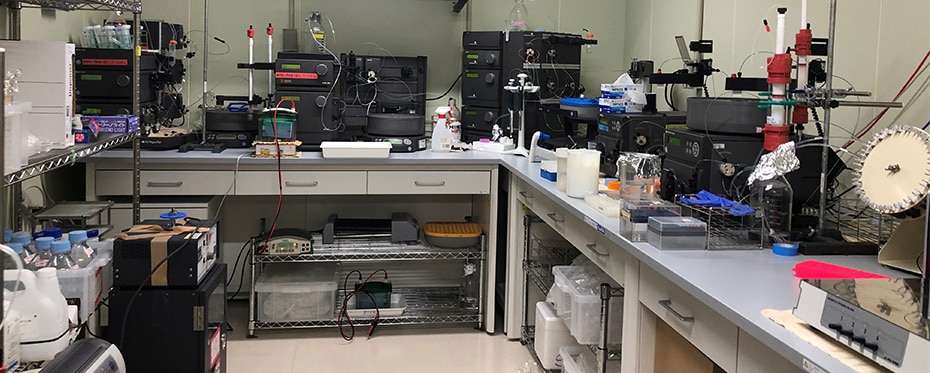
Professor Hiroshi Iwasaki, Tokyo Institute of Technology, aims to learn more about a biological process called homologous recombination, which is crucial to maintaining the integrity of DNA. His laboratory-based research means that we can learn more about this process and a key protein called Rad51. An increased understanding of this complex mechanism could be translated to the DNA repair processes […]
Read More… from Dancing DNA: How Rad51 chooses the perfect partner
Unsupervised feature extraction applied to bioinformatics

In his new book, Professor Y-h Taguchi, from Chuo University, Tokyo, Japan, takes two classical mathematical techniques, principal component analysis and tensor decomposition, and demonstrates how they can be used to perform feature selection in his cutting-edge research. Both unsupervised learning methods are applied to carry out feature extraction in a wide range of ‘large p small n’ problems. This […]
Read More… from Unsupervised feature extraction applied to bioinformatics
Facilitated ion transfer through liquid-liquid interfaces

The migration of charged ions through interfaces between immiscible liquids plays an important role in several natural and technological processes. Prof Akihiro Morita of Tohoku University in Japan uses molecular dynamics simulations to develop models of the complex phenomena involved in the motion of ions across interfaces under the effect of external electric fields. This powerful approach is providing detailed […]
Read More… from Facilitated ion transfer through liquid-liquid interfaces
A new academic discipline: Advancing factory science, economics and artifacts science

Professor Masayuki Matsui from The University of Electro-Communications, Tokyo, proposes that Industrial Engineering and Operational Research (IEOR) can be viewed as the art of his 3M&I-body system. His methods have led to a new academic discipline that contribute to the integration of knowledge and intelligence in nature versus artifacts science. This research facilitates the realisation of the cyber/real world, including […]