
One cell’s death is a microbe’s DINNR: How intestinal bacteria use our dying cells as fuel

Until now, a great deal has remained unknown about the relationship between programmed cell death and bacterial infections. However, recent work by Dr CJ Anderson and Professor Kodi Ravichandran from […]
Using agent-based modelling to understand social phenomena

Agent-based modelling (ABM) is used to understand the behaviour of a system and establish what governs its outcomes. Professor Shigeaki Ogibayashi, from the Chiba Institute of Technology, Japan, proposes that, […]
Read More… from Using agent-based modelling to understand social phenomena
Take a breath: Is it time to re-think how we diagnose COPD?

Chronic obstructive pulmonary disease (COPD) has significant health, social, and economic impacts. However, the diagnosis criteria for the condition remains broadly general and relies on the use of lung function […]
Read More… from Take a breath: Is it time to re-think how we diagnose COPD?
A delicate balance: Should we return green crop residues to the soil?

Returning crop residues to soil for decomposition is considered a common management practice, but it can result in increased emissions of nitrous oxide (N2O), a potent greenhouse gas. Dr Gwenaëlle […]
Read More… from A delicate balance: Should we return green crop residues to the soil?
Optimising solvent extraction for metal recycling
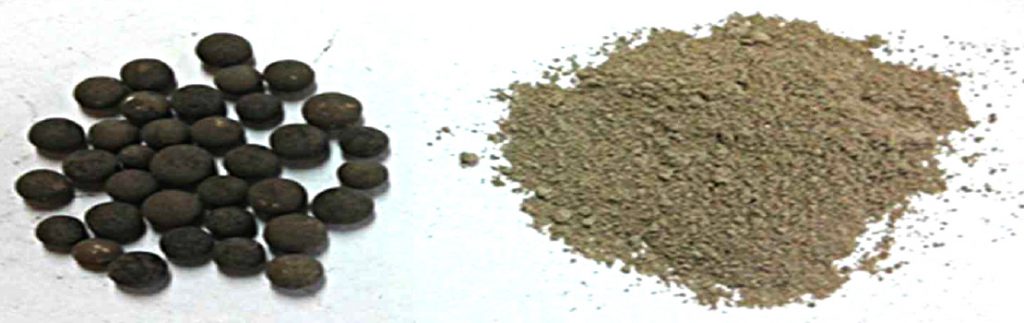
The platinum-group metals play a central role in several technological applications including fuel cells, electronic devices, and catalysts for oil refining and automobile converters. Owing to the scarcity of these […]
Read More… from Optimising solvent extraction for metal recycling
Invoking human rights to stop ivory tower bullies

Higher education institutions are not immune to workplace bullying. In fact, research shows that they can be virulent breeding grounds for a particularly pernicious form of bullying – one cloaked […]
Read More… from Invoking human rights to stop ivory tower bullies
A blow to the head impairs the autoregulation of brain blood flow: Neural consequences
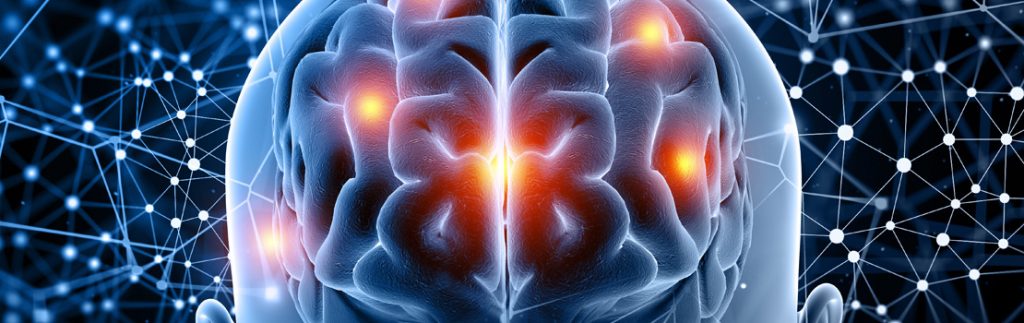
Billions of cells make up the human brain. To keep this super-computer functioning, a carefully autoregulated blood supply provides oxygen and nutrients and removes waste products from the brain cells. […]
The importance of nuanced scientific communication in an age of rising distrust

Dr Karen Jacqueline Cloete is an interdisciplinary scientific researcher whose work spans a multitude of areas. She is affiliated to the UNESCO-University of South Africa Africa Chair in Nanosciences-Nanotechnology, and […]
Read More… from The importance of nuanced scientific communication in an age of rising distrust
Advancing imaging biomarker development and translation through the National Cancer Imaging Translational Accelerator (NCITA)

It is estimated that someone is diagnosed with cancer every two minutes in the UK. Clinical imaging offers a minimally invasive way of diagnosing and managing a variety of cancers. […]
Can deeply religious people be intellectually humble?

Intellectual humility – the conscious awareness of the limits and fallibility of one’s intelligence – is a virtue in the search for wisdom. But is what’s true for philosophers also […]
Read More… from Can deeply religious people be intellectually humble?