
Tag: cancer
Making strides in veterinary pathology: A dedicated career

Mast cell tumours and pancreatic diseases are common in dogs but also present to a lesser degree in other veterinary species, including cats and horses. For these and many other diseases of veterinary species, diagnostic methods and criteria were not well characterised and made determination of prognosis difficult. Changing this, with decades of research into the pathology of veterinary diseases, […]
Read More… from Making strides in veterinary pathology: A dedicated career
Improving the effectiveness of an anticancer fluoropyrimidine by molecular hybridisation

Capecitabine (Cape) – a fluoropyrimidine used primarily in the treatment of breast and colorectal cancer – disrupts the synthesis of DNA in cancer cells following its conversion to 5-fluorouracil (FU). Since FU has been associated with several potentially fatal side effects, Dr Thomas I. Kalman at the University at Buffalo and The State University of New York has developed a […]
Shedding light on liver metastasis in pancreatic cancer

Pancreatic ductal adenocarcinoma (PDAC) is an aggressive and lethal malignancy, largely as a result of its early spread, or ‘metastasis’, to the liver. Dr Tami Rubinek and Professor Ido Wolf, of the Oncology Division of Tel Aviv Medical Center, Israel, have extensively studied the molecular mechanisms behind liver metastasis in patient tumour samples. They revealed that the absence of certain […]
Read More… from Shedding light on liver metastasis in pancreatic cancer
How does sleep affect immune-related disease risk?

Sergio Garbarino, adjunct professor in the Department of Neuroscience, Ophthalmology, Genetics, Maternal and Child Health, at the University of Genoa, Italy, is an internationally recognised sleep expert. In his recent work, he explores the interrelationships between sleep deprivation, immunity, inflammation, and chronic diseases. It is well established that sleep is essential for health. However, modern lifestyles are not conducive to […]
Read More… from How does sleep affect immune-related disease risk?
DNA molecular scissors as new cancer chemotherapeutics
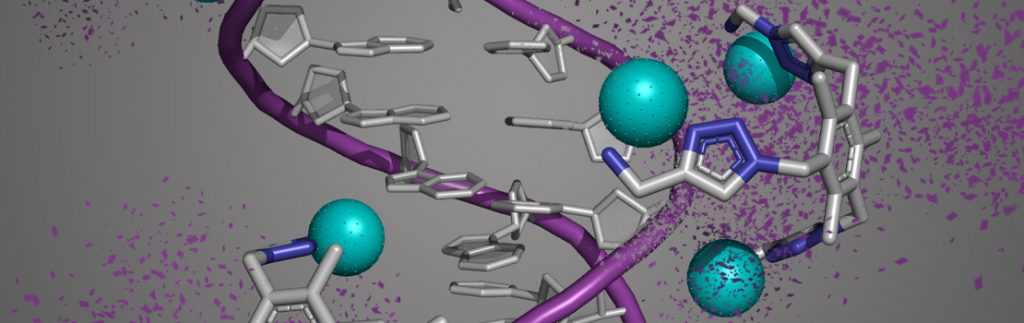
The discovery of efficient new metallodrugs with minimal side effects is urgently needed in cancer medicine. Associate Professor Andrew Kellett and Dr Creina Slator, Dublin City University, Ireland, have employed ‘click chemistry’ to generate new copper DNA molecular scissors with anticancer and gene editing properties. Their molecules have coordinated metal centres and mimic the action of natural products that cause […]
Read More… from DNA molecular scissors as new cancer chemotherapeutics
Can we do more to get college students vaccinated against HPV?

Human papillomavirus (HPV) is the most common sexually transmitted infection globally. It can cause genital warts and several types of cancer, including cervical, anal, penile, and throat cancer. Although an effective and safe vaccine against HPV infection has been available since 2006, the vaccination rates in the US remain low. The fact that more than 80% of sexually active people […]
Read More… from Can we do more to get college students vaccinated against HPV?
X-ray ptychography: Seeing chromosome abnormalities in a new light
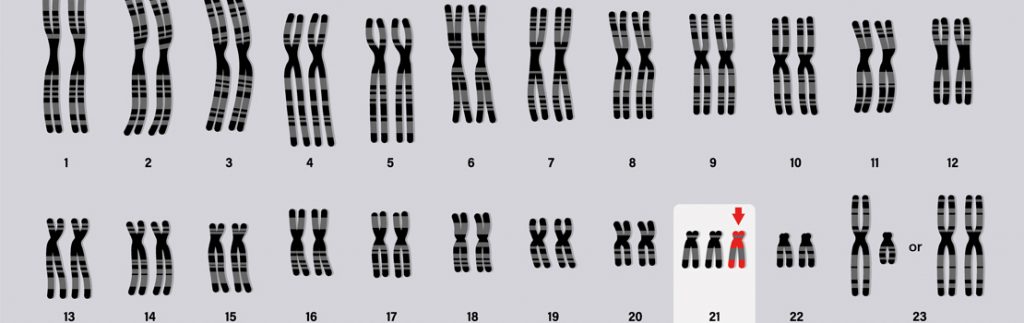
Chromosome abnormalities have profound health consequences including trisomy and cancer. Karyotyping (the visualisation of the complete set of chromosomes by shape and size) is an initial step towards identification of chromosome aberrations and disease. Other chromosome imaging methods such as fluorescent in situ hybridisation (FISH) rely on sample preparation or fluorescent markers, which may or may not alter the sample. […]
Read More… from X-ray ptychography: Seeing chromosome abnormalities in a new light
Brain Awareness Week 2022

March 14 marks the start of Brain Awareness Week! Spearheaded by the Dana Foundation, the importance of brain research is catapulted onto the global platform between 14th–20th March 2022 – and cerebral successes in the field are celebrated. Research into the brain is vital for saving lives, increasing quality of life and explaining how ‘the little grey cells’ control our […]
Predicting the origin of mutations from tumour and germline data
Genetic sequencing is an affordable screening process that helps people understand the risks of developing a specific form of cancer in their lifetime. They can learn about the impending risks and make conscious lifestyle choices, take a few radical decisions if required, and even work out ways to stop the hereditary transfer of such genes to their offspring. Dr Israel […]
Read More… from Predicting the origin of mutations from tumour and germline data
Advancing imaging biomarker development and translation through the National Cancer Imaging Translational Accelerator (NCITA)

It is estimated that someone is diagnosed with cancer every two minutes in the UK. Clinical imaging offers a minimally invasive way of diagnosing and managing a variety of cancers. The National Cancer Imaging Translational Accelerator (NCITA) consortium now provides researchers with the infrastructure to conduct high-quality, multi-centre clinical research in the quest to develop standardised imaging biomarkers and accelerate […]