
What team communication can tell us about team effectiveness

Meetings. Love them or hate them, they’re a regular feature of working life and there are countless studies on how to plan, run and make the most of them. Few […]
Read More… from What team communication can tell us about team effectiveness
Responses to spaceflight: The mouth as a mirror

During spaceflight astronauts experience extreme environmental conditions, such as cosmic radiation and the absence of gravity that impact their physiology. The resulting changes must be monitored. While blood is usually […]
Read More… from Responses to spaceflight: The mouth as a mirror
Stem cells could offer hope for muscular dystrophy
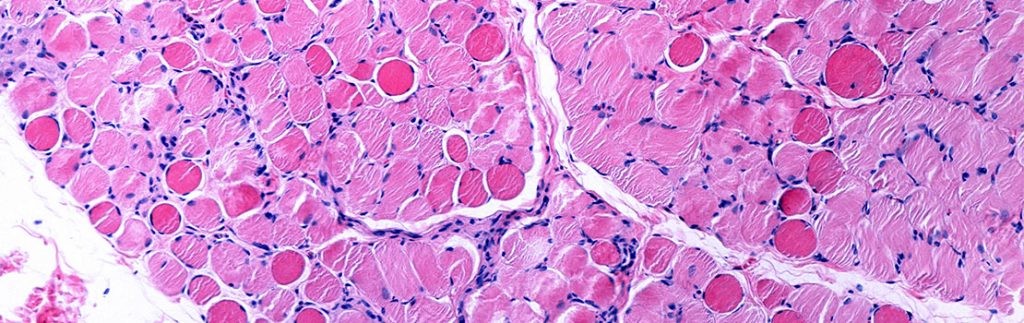
Muscular dystrophies are genetic conditions that cause muscles to become progressively weaker. Researchers are investigating several novel approaches, including gene and stem cell therapy, to meet the challenges of these […]
Read More… from Stem cells could offer hope for muscular dystrophy
What can peptide-coated nanoparticles tell us about the causes of dementia?

Kazushige Yokoyama, Professor of Chemistry at the State University of New York Geneseo College, investigates how peptides interact. Along with Akane Ichiki, an undergraduate student at the institution, his team […]
Read More… from What can peptide-coated nanoparticles tell us about the causes of dementia?
Innovation in oncology drug development: A focus on patient benefits
Innovation in oncology drug development is driving more efficient and effective development of new cancer treatments. This innovation is providing cancer patients unprecedented access to new therapies. Dr Brian Huber, […]
Read More… from Innovation in oncology drug development: A focus on patient benefits
Producing the first functioning synthetic DNA using click chemistry
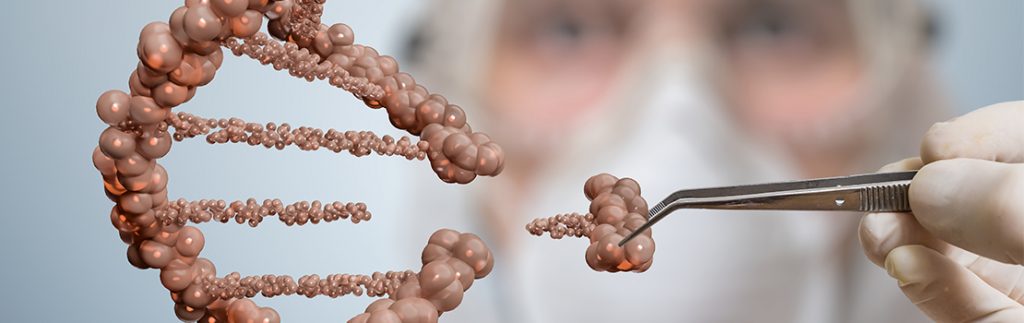
Click chemistry revolutionised our ability to create custom proteins, so could it do the same for DNA? Professor Tom Brown at the University of Oxford and Professor Afaf El-Sagheer at […]
Read More… from Producing the first functioning synthetic DNA using click chemistry
Flexibility is key in treating children with type 1 diabetes
People with type 1 diabetes cannot produce their own insulin, leading to uncontrolled blood sugar levels. To survive, they must receive insulin treatment. A recently developed, long-lasting insulin called degludec offers […]
Read More… from Flexibility is key in treating children with type 1 diabetes
Homelessness and language difficulties

Dr Graham Pluck of Universidad San Francisco de Quito, Ecuador, is a psychologist with an interest in cognitive research and neuroscience. His most recent research has focused on the relationship […]
Patient safety and opioid medications

Hospitalised patients often require appropriate pain relief as part of their treatment. Opioids are effective medications for pain management, but can cause excessive sedation and respiratory depression resulting in patient […]
Classic biomolecules continue to surprise with unexpected reactivity
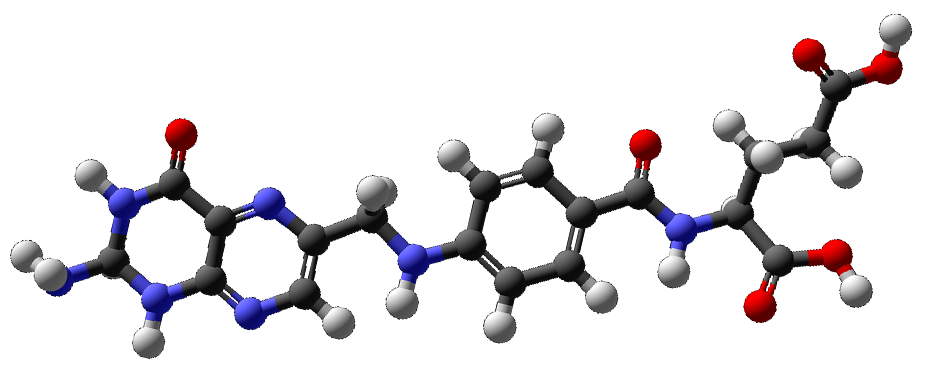
Biological hydrides like NADH and folates were identified by early biochemists for their importance in fermentation and hydrogen transfer and are today some of the most thoroughly studied biomolecules. Dr […]
Read More… from Classic biomolecules continue to surprise with unexpected reactivity