
Tag: USA
Targeting cancer stemness: A new approach to target tumour metastasis in colorectal cancer
At COARE Holdings in the US, Dr Courtney W Houchen and Edwin Bannerman-Menson examine innovative ways to target and treat metastatic colorectal cancer (mCRC). Their research focuses on the ‘stemness’ of cancer cells – a property by which the cells within a tumour are able to divide and give rise to every cancerous cell within the tumour. When these cancerous […]
Making strides in veterinary pathology: A dedicated career

Mast cell tumours and pancreatic diseases are common in dogs but also present to a lesser degree in other veterinary species, including cats and horses. For these and many other diseases of veterinary species, diagnostic methods and criteria were not well characterised and made determination of prognosis difficult. Changing this, with decades of research into the pathology of veterinary diseases, […]
Read More… from Making strides in veterinary pathology: A dedicated career
Cooling Cryosim drops for treatment of cough

A cough can significantly impact our quality of life, disrupting sleep and daily activities. Coughing is usually a symptom of benign viral infections – but sometimes a cough can linger long after the infection has cleared and persist for months. There is a need for new treatments to alleviate lingering coughs. Professor Edward T Wei at the University of California, […]
Read More… from Cooling Cryosim drops for treatment of cough
Dendrimers: Improving calibration standards for mass spectrometry
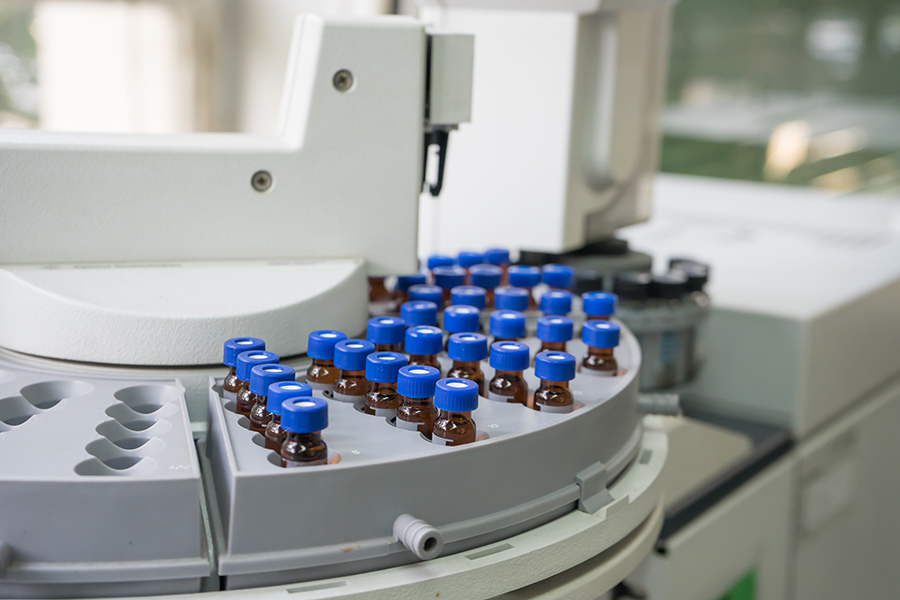
Soft-ionization mass spectrometry (MS) techniques for the analysis of peptides, proteins, and macromolecules are gaining popularity in the medical research community. Specifically, matrix-assisted laser-desorption/ionization (MALDI) and electrospray ionization (ESI) can identify high molecular weight compounds with accuracy and minimal fragmentation of the sample, but precise and regular calibration with standards of a known mass is needed. Professor Scott M Grayson […]
Read More… from Dendrimers: Improving calibration standards for mass spectrometry
Unlocking the mechanism of action of arsenic trioxide in leukaemia
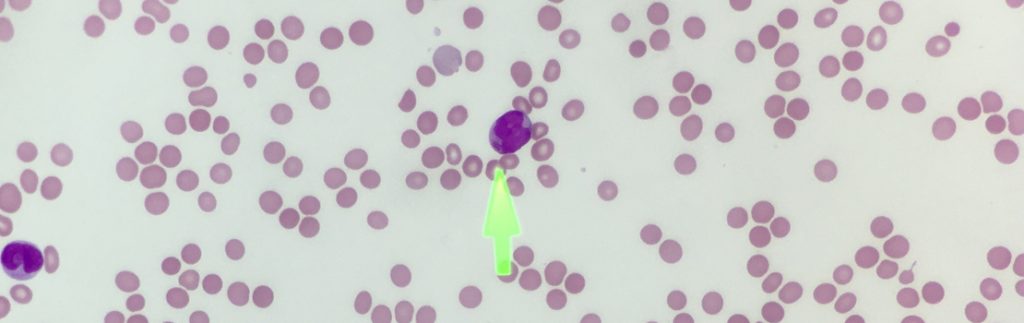
The blood cancer acute promyelocytic leukaemia (APL) has recently been transformed from a fatal condition to a curable one, thanks to the development of treatments including vitamin A1 and arsenic trioxide (ATO). Although very effective, the mechanism of action of ATO has remained unclear until now. Changing this is Professor Paul B Tchounwou and his team at Jackson State University, […]
Read More… from Unlocking the mechanism of action of arsenic trioxide in leukaemia
Rethinking leadership in complex adaptive systems

Leadership is a cornerstone of business school syllabi, but it is usually focused on organisational leadership. But what about the leadership needed to deal with global issues that cross geographic, legislative, geopolitical, socio-economic, and structural boundaries, and demand the interplay between state, corporate and non-governmental actors? Professor Margaret F Sloan of James Madison University, in Virginia, US, considers such issues […]
Read More… from Rethinking leadership in complex adaptive systems
Taming the oil price

For the foreseeable future, the world will need oil, but its price volatility makes buying and selling it a challenge for producers and the myriad manufacturers who need it. For brokers who sit in the middle of such transactions, finding the optimal price and the number of clients to spread their risk is one of their biggest challenges. Belleh Fontem, […]
License-plate-based driving restrictions: Do they really backfire?

Driving restriction policies that limit the number of days drivers can use their vehicles within cities based on the last digit of their license plates are popular in some cities. Research into their effectiveness in reducing air pollution and congestion, however, yields mixed results. Dr Erick Guerra and his colleagues at the University of Pennsylvania, USA, have published the first […]
Read More… from License-plate-based driving restrictions: Do they really backfire?
Indus civilisation decline: Core evidence for Late Holocene climate change

The socially complex and highly urbanised Indus Valley Civilisation began a sustained decline around 3900 cal yr BP (calendar years before present). This decline has been linked with abrupt climate change starting at ~4200 cal yr BP. Past studies examining its causes point to hydroclimate variability, but these studies offer inconsistent evidence for the timing and mechanism(s) driving mid- to […]
Read More… from Indus civilisation decline: Core evidence for Late Holocene climate change
Malaria modelling: An optimal control problem
Malaria, a life-threatening mosquito-borne disease, is a leading cause of death and infection in many developing countries. Using mathematical modelling, Professor Wandi Ding, Middle Tennessee State University, USA, and her colleagues investigate optimal control of malaria, using both the sterile insect technique and insecticide-treated nets. Their simulations show that a combination of both strategies results in a more rapid elimination […]
Read More… from Malaria modelling: An optimal control problem